
How to Keep Wine Fresh After Opening: Essential Tips & Tricks
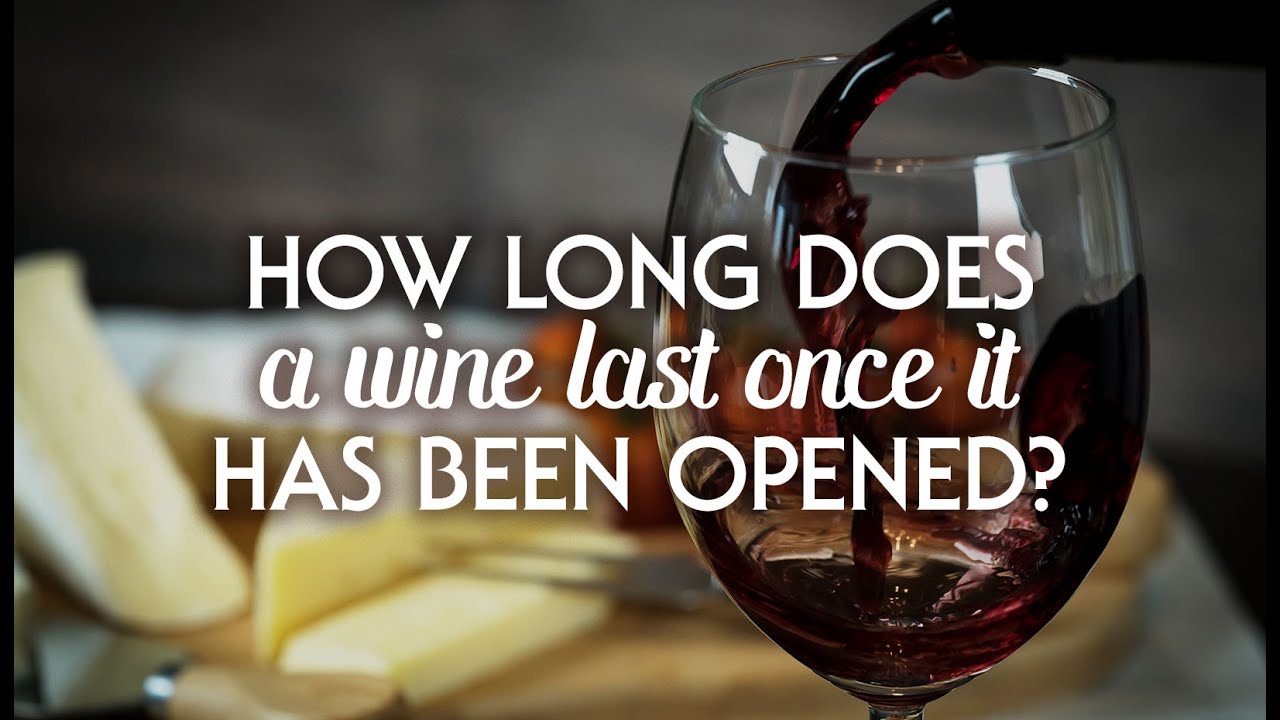
Understanding the Importance of Proper Wine Storage After Opening
When it comes to wine, the journey from vineyard to glass is just the beginning. Proper storage after opening is crucial to maintaining the wines quality and flavor. Once a bottle is uncorked, it is exposed to oxygen, which can lead to oxidation and spoilage if not managed correctly. Understanding the importance of proper wine storage after opening can significantly enhance your wine-drinking experience and ensure that each sip is as delightful as the first.
Why Proper Storage Matters
Wine is a delicate beverage that can be greatly affected by its environment. After opening, wine begins to change rapidly due to exposure to air. This process can lead to unwanted flavors and aromas that diminish the wines original character. By using appropriate storage techniques, you can slow down this oxidation process, allowing you to enjoy the wine over several days. Here are some key reasons why proper storage is essential:
- Preservation of Flavor: Keeping the wine sealed and at the right temperature helps maintain its intended taste profile.
- Extended Shelf Life: Proper storage can prolong the freshness of the wine, allowing you to savor it longer.
- Avoiding Spoilage: Exposure to air can lead to spoilage, making the wine undrinkable.
Best Practices for Wine Storage After Opening
To keep your opened wine in optimal condition, consider the following best practices:
1. Re-cork the Bottle: Always use the original cork or a wine stopper to seal the bottle tightly after pouring. This minimizes oxygen exposure.
2. Store Upright: If possible, store the wine bottle upright. This reduces the surface area exposed to air, slowing down oxidation.
3. Temperature Control: Keep opened wine in a cool, dark place, ideally in the refrigerator. The lower temperature can help preserve the wines integrity.
4. Use Vacuum Sealers: Investing in a vacuum pump can help remove air from the bottle, significantly extending the wines lifespan.
By understanding and implementing these storage techniques, you can ensure that your opened wine remains enjoyable for days to come.
Top Tips on How to Keep Wine Fresh After Opening
Keeping wine fresh after opening is essential for maintaining its flavor and aroma. Once a bottle is uncorked, exposure to oxygen begins to alter its characteristics. Here are some effective tips to ensure your wine remains as delightful as the day it was opened.
1. Re-Cork the Bottle
One of the simplest ways to preserve your wine is to re-cork the bottle tightly after pouring. If the original cork is damaged, consider using a wine stopper designed to minimize air exposure. This will help slow down the oxidation process, keeping your wine fresher for a longer period.
2. Store in a Cool, Dark Place
Temperature fluctuations and light exposure can negatively impact wine quality. Always store your opened bottle in a cool, dark place, ideally between 45°F to 65°F (7°C to 18°C). Avoid placing it in direct sunlight or near heat sources, as these conditions can accelerate spoilage.
3. Use a Vacuum Pump
Investing in a vacuum pump can significantly extend the life of your wine. This handy tool removes air from the bottle, creating a vacuum seal that slows oxidation. Simply insert the pump into the bottle and remove the air before re-corking it. This method is particularly effective for wines with a higher tannin content.
4. Consider Wine Preservation Systems
For wine enthusiasts who frequently open bottles, a wine preservation system may be worth the investment. These systems often use argon gas to displace oxygen in the bottle, providing an excellent barrier against oxidation. With these tools, you can enjoy your wine over weeks without compromising its quality.
The Best Wine Preservation Tools for Extended Freshness
When it comes to enjoying your favorite wines, ensuring their freshness over time is essential. Fortunately, a variety of wine preservation tools are available that can help maintain the quality and taste of your wine long after the bottle has been opened. Here, we explore some of the best options to keep your wine as delightful as the day you opened it.
1. Vacuum Sealers
One of the most effective methods for preserving wine is using a vacuum sealer. These devices work by removing air from the wine bottle, significantly slowing down the oxidation process. Some popular vacuum sealers include:
- Coravin Model Eleven: This innovative tool allows you to pour wine without removing the cork, ensuring the remaining wine stays fresh for weeks or even months.
- Wine Enthusiast Wine Saver: A budget-friendly option that uses a simple pump and stopper system to create a vacuum seal.
2. Wine Preservation Systems
For wine lovers looking for a more advanced solution, wine preservation systems can be an excellent investment. These systems not only remove air but also inject inert gases to replace the oxygen in the bottle. Notable examples include:
- Private Preserve Wine Preserver: This canister uses a blend of argon, nitrogen, and carbon dioxide to protect your wine from oxidation.
- WineKeeper: This system allows you to preserve multiple bottles simultaneously and is ideal for entertaining or wine tastings.
3. Wine Stoppers and Corks
While vacuum sealers and preservation systems are great for long-term storage, high-quality wine stoppers can also do a commendable job for short-term preservation. Look for:
- Rabbit Wine Stoppers: These stoppers create a tight seal, preventing air from entering the bottle.
- Vacuum Wine Stoppers: Designed to work with vacuum sealers, these stoppers help maintain a vacuum seal once the air has been removed.
Investing in the right wine preservation tools can dramatically enhance your wine-drinking experience by ensuring that every glass is as fresh and flavorful as intended. Whether youre a casual drinker or a dedicated connoisseur, these tools are invaluable for extending the life of your cherished bottles.
Common Mistakes to Avoid When Storing Opened Wine
When it comes to storing opened wine, many enthusiasts make critical mistakes that can compromise the quality and flavor of their favorite bottles. Understanding these common pitfalls can help ensure that your wine remains enjoyable for days or even weeks after opening.
1. Neglecting to Reseal Properly
One of the most frequent errors is failing to reseal the bottle properly after pouring. Leaving wine exposed to air can lead to oxidation, which diminishes its taste. Always use the original cork or a wine stopper designed to create an airtight seal. Additionally, consider using a vacuum pump to remove excess air from the bottle, further preserving the wines integrity.
2. Storing Wine in the Wrong Temperature
Temperature control is crucial for maintaining the quality of opened wine. Many people make the mistake of storing wine at room temperature, which can accelerate spoilage. Ideally, opened red wine should be kept between 55°F to 65°F, while white wine benefits from cooler temperatures, around 45°F to 50°F. Avoid placing opened bottles in warm areas, such as near the stove or in direct sunlight.
3. Ignoring the Type of Wine
Different types of wine have varying shelf lives once opened, and overlooking this can lead to disappointment. For example, light white wines and sparkling wines generally have a shorter lifespan and should be consumed within a few days. In contrast, full-bodied red wines can last up to a week or more if stored properly. Be mindful of the specific wine type and adjust your storage methods accordingly.
4. Forgetting About Humidity and Light Exposure
Another common mistake is neglecting humidity and light exposure when storing opened wine. Excessive light and fluctuating humidity levels can negatively affect the wines flavor. Store your opened bottles in a dark place, away from direct sunlight, and aim for a humidity level of around 70% to prevent corks from drying out. Using a wine fridge can help maintain optimal conditions for your opened wine.
How Long Can You Keep Wine After Opening? What You Need to Know
When it comes to enjoying a bottle of wine, understanding how long you can keep it after opening is essential to preserving its flavor and quality. Generally, the lifespan of an opened bottle of wine varies based on several factors, including the type of wine, storage conditions, and whether or not the bottle has been resealed properly.
Red Wines: Typically, red wines can last for about 3 to 5 days after opening if stored properly. Its best to recork the bottle and keep it in a cool, dark place. The tannins in red wines help preserve their structure, allowing them to maintain their taste for a longer duration. However, exposure to oxygen will gradually alter the flavor, so it’s advisable to consume them sooner rather than later.
White Wines and Rosés: White wines and rosés tend to have a shorter shelf life once opened, lasting about 3 to 5 days as well. To maximize freshness, store them in the refrigerator after opening, as cooler temperatures slow down the oxidation process. For optimal preservation, use a wine stopper or vacuum pump to remove excess air from the bottle.
Sparkling Wines: Sparkling wines, such as Champagne, have the shortest lifespan after opening. Once opened, they typically retain their fizz for about 1 to 3 days. To keep the bubbles intact, its crucial to reseal the bottle with a sparkling wine stopper and store it in the refrigerator. Over time, the carbonation will dissipate, leading to a flat taste, so its best to enjoy these wines soon after opening.
In summary, the longevity of an opened wine bottle is influenced by its type and storage method. Being aware of these factors can help you make the most of your wine experience and avoid wasting any precious sips.
See all our content in the Sitemaps or in our Vip Cheers Webmaps!
You read complete How to Keep Wine Fresh After Opening: Essential Tips & Tricks See more about liqueurs here Wine.
Leave a Reply