
How to Say Wine in German: A Simple Guide for Travelers
Understanding the German Word for Wine: A Simple Translation
When exploring the German language, one of the most delightful words to learn is Wein, which translates directly to "wine" in English. This simple yet elegant term is deeply embedded in the culture and traditions of Germany, a country renowned for its rich winemaking heritage. Understanding the nuances of this word can enhance your appreciation of German wines and the countrys vibrant wine regions.
The word Wein encompasses a wide variety of wine types, including red, white, and rosé. In German, the classification of wine can further be broken down into specific categories based on grape varieties, production methods, and regional characteristics. For example, you might encounter terms like Rotwein for red wine and Weißwein for white wine. This simple translation serves as a gateway to a more extensive vocabulary related to wine, making it easier for enthusiasts and travelers alike to navigate wine menus and engage in conversations about their favorite varieties.
In addition to its straightforward meaning, the term Wein is often used in various expressions and idioms that reflect the cultural significance of wine in German society. For instance, the phrase Wein und Brot (wine and bread) symbolizes the basic sustenance of life, highlighting the importance of wine as a staple in social gatherings and celebrations. Understanding these cultural contexts can provide deeper insights into the role of wine in German life, from casual family dinners to grand festivals.
Furthermore, Germany boasts a diverse range of wine regions, each producing unique flavors and styles. Familiarizing yourself with the word Wein can open up opportunities to explore famous regions such as the Rheingau, Pfalz, and Mosel. Each of these areas is known for its distinctive wine offerings, and learning about them enhances your overall experience as you delve into the world of German wines. Whether youre sampling a crisp Riesling or a robust Spätburgunder (Pinot Noir), the journey begins with understanding the fundamental word that represents this beloved beverage.
Common Phrases Involving Wine in German Language
When exploring the rich culture of Germany, wine plays a significant role, and various phrases reflect this appreciation. Understanding these common phrases can enhance your experience, whether youre dining at a German restaurant or socializing at a wine festival. Here are some essential phrases that involve wine in the German language.
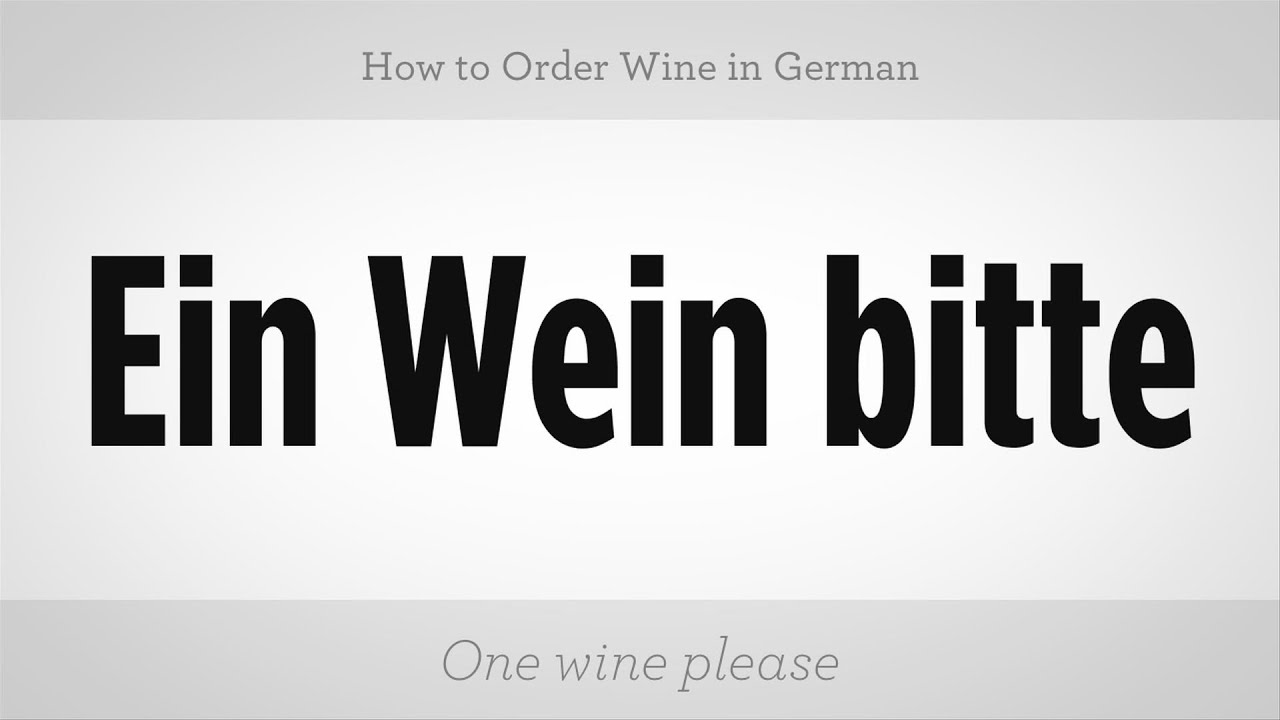
- Ein Glas Wein, bitte! – A glass of wine, please!
- Was für einen Wein empfehlen Sie? – What wine do you recommend?
- Ich liebe deutschen Wein. – I love German wine.
- Der Wein ist sehr lecker. – The wine is very delicious.
In social settings, you might hear phrases like Prost!, which is the German equivalent of "cheers!" It’s a customary expression used when toasting before taking a sip of wine or any beverage. Additionally, when discussing wine preferences, you may encounter phrases like Ich bevorzuge Rotwein über Weißwein., meaning "I prefer red wine over white wine." This showcases the diversity of wine choices in German-speaking regions.
Describing Wine
When it comes to describing wine, Germans often use specific terms to articulate flavors and qualities. For example, Dieser Wein hat einen fruchtigen Geschmack. translates to "This wine has a fruity taste." Similarly, phrases like Der Wein hat einen starken Nachgeschmack. meaning "The wine has a strong aftertaste," are frequently used in conversations about wine tasting. Understanding these phrases not only enriches your vocabulary but also allows you to engage more deeply in discussions about wine with locals.
Exploring German Wine Culture: Terms and Traditions
Germany is renowned for its rich and diverse wine culture, characterized by unique terminology and time-honored traditions that reflect the countrys deep-rooted connection to viticulture. One of the key aspects of German wine culture is the emphasis on terroir, a French term that describes the environmental factors that affect a crops phenotype. In Germany, this concept is paramount, as the countrys varied climates and soil types contribute to the distinct characteristics of its wines.
When delving into German wine, youll encounter a range of specific terms that are essential for understanding its nuances. For example, the term “Qualitätswein” refers to quality wine that meets strict regulations, while “Prädikatswein” denotes a classification system based on the ripeness of the grapes at harvest. This system includes categories such as “Spätlese” (late harvest) and “Auslese” (select harvest), each representing a different level of sweetness and complexity. Additionally, the term “Kabinett” is used for light, crisp wines made from grapes picked at optimal ripeness, showcasing the delicate balance of acidity and sweetness that German wines are known for.
Traditions play a vital role in the German wine experience, particularly during the annual wine festivals, or “Weinfeste.” These celebrations often feature local wines, traditional foods, and lively music, bringing together communities and showcasing the regions viticultural heritage. Many regions, such as the Mosel and Rheingau, host their own festivals, where wine lovers can sample a variety of wines and learn about the local winemaking processes.
Furthermore, the practice of “Weinprobe” (wine tasting) is integral to German wine culture. This ritual often takes place in wine cellars or vineyards, where enthusiasts can savor different vintages while gaining insights into the winemaking techniques employed by local producers. The communal aspect of wine tasting fosters a sense of camaraderie among participants, allowing for the sharing of experiences and the deepening of knowledge about Germanys exceptional wine landscape.
How to Pronounce Wine in German: Tips for Beginners
Pronouncing wine in German can be a delightful yet challenging experience for beginners. The German language has unique sounds and pronunciation rules that may differ significantly from English. To help you navigate this linguistic landscape, here are some essential tips to get you started.
1. Understand the Basic Sounds
German pronunciation includes several sounds that are not present in English. For instance, the letter "W" in German is pronounced like the English "V," while "V" is often pronounced like "F." This means that the German word for wine, "Wein," is pronounced as "Vine." Familiarizing yourself with these basic sounds will set a solid foundation for your pronunciation journey.
2. Focus on Vowels
German vowels can have different sounds based on their accents and combinations. The letter "a" in "Wein" is pronounced like the "i" in "mine," while the "e" at the end is pronounced softly, almost like a whisper. Listening to native speakers can help you grasp these nuances. You can find pronunciation guides and audio clips online to practice along with.
3. Practice with Common Wine Terms
To build your confidence, practice pronouncing common wine-related terms in German. Here are a few to get you started:
- Wein - Wine
- Rotwein - Red wine
- Weißwein - White wine
- Sekt - Sparkling wine
By repeating these terms aloud, you’ll not only improve your pronunciation but also expand your vocabulary related to wine.
4. Listen and Imitate
One of the best ways to learn pronunciation is by listening to native speakers. Try watching German films, listening to German podcasts, or using language-learning apps that focus on pronunciation. Imitate the way native speakers pronounce wine-related terms to fine-tune your skills. Don’t be afraid to practice in front of a mirror or record yourself to track your progress.
Frequently Asked Questions About Wine in German
Häufig gestellte Fragen zu Wein
Was sind die verschiedenen Weinsorten?
Wein gibt es in vielen verschiedenen Sorten, die sich hauptsächlich in der Traube und dem Herstellungsprozess unterscheiden. Die gängigsten Weinsorten sind:
- Rotwein: Hergestellt aus roten oder blauen Trauben, die mit Schalen vergoren werden.
- Weißwein: Wird aus grünen Trauben oder aus roten Trauben ohne Schalen hergestellt.
- Roséwein: Ein Hybrid zwischen Rot- und Weißwein, der oft durch kurze Kontaktzeit mit den Traubenschalen entsteht.
- Schaumwein: Dazu gehören Weine wie Champagner, die Kohlensäure enthalten.
Wie lagert man Wein richtig?
Die richtige Lagerung von Wein ist entscheidend, um die Qualität zu erhalten. Hier sind einige Tipps zur optimalen Lagerung:
- Halten Sie die Flaschen in einer kühlen Umgebung, idealerweise zwischen 10 und 15 Grad Celsius.
- Vermeiden Sie direktes Licht, da UV-Strahlen den Wein schädigen können.
- Lagern Sie die Flaschen horizontal, um den Korken feucht zu halten und das Eindringen von Luft zu verhindern.
Wie dekantiert man Wein?
Das Dekantieren von Wein ist ein Prozess, bei dem der Wein von der Flasche in eine andere Karaffe umgefüllt wird, um ihn zu belüften. Dies kann den Geschmack und das Aroma erheblich verbessern. Um Wein richtig zu dekantieren, folgen Sie diesen Schritten:
- Öffnen Sie die Flasche vorsichtig und lassen Sie den Wein einige Minuten atmen.
- Gießen Sie den Wein langsam in die Karaffe, um Sedimente am Flaschenboden zu vermeiden.
- Servieren Sie den Wein nach einigen Minuten der Belüftung, um die Aromen zu intensivieren.
See all our content in the Sitemaps or in our Vip Cheers Webmaps!
You read complete How to Say Wine in German: A Simple Guide for Travelers See more about liqueurs here Wine.
Leave a Reply