
Optimal Placement of Wine and Water Glasses for Perfect Dining
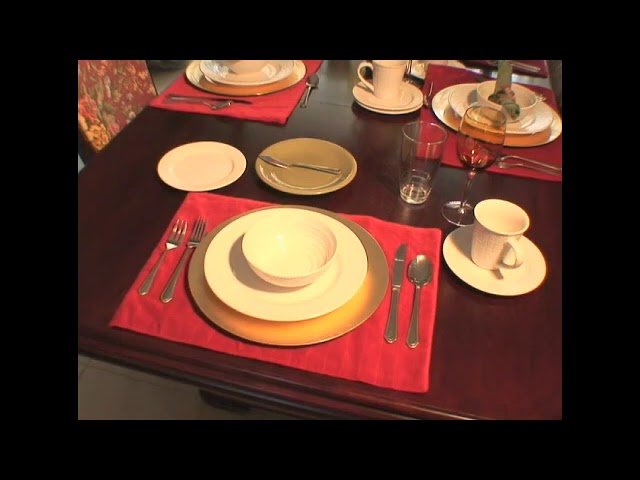
- Understanding the Importance of Proper Placement of Wine and Water Glasses
- Best Practices for the Placement of Wine and Water Glasses at the Dining Table
- How to Arrange Wine and Water Glasses for Different Occasions
- The Impact of Glass Placement on Dining Experience and Aesthetics
- Common Mistakes to Avoid in the Placement of Wine and Water Glasses
Understanding the Importance of Proper Placement of Wine and Water Glasses
Proper placement of wine and water glasses at the dining table is crucial for enhancing the dining experience. Not only does it reflect elegance and attention to detail, but it also facilitates smooth service and enjoyment of beverages. Understanding the strategic positioning of these glasses can significantly impact the overall atmosphere and functionality of a meal, whether its a casual gathering or a formal event.
1. Enhancing Aesthetic Appeal
The visual arrangement of wine and water glasses contributes to the tables aesthetic. When placed correctly, they create a balanced and harmonious look. Typically, water glasses are positioned to the right of the wine glasses, ensuring that guests can easily access their beverages without confusion. This thoughtful arrangement not only pleases the eye but also sets a sophisticated tone for the meal.
2. Promoting Practicality and Accessibility
The practicality of glass placement cannot be overlooked. Guests should be able to reach for their drinks without obstruction. By positioning the wine glass slightly above the water glass, diners can easily differentiate between the two, minimizing the risk of spills or confusion. Additionally, ensuring that both glasses are within easy reach allows for a seamless dining experience, where guests can enjoy their beverages without unnecessary distractions.
3. Elevating the Dining Experience
Proper placement also elevates the overall dining experience. When glasses are arranged thoughtfully, it encourages conversation and interaction among guests. A well-set table invites diners to engage with their surroundings and each other, fostering a warm and welcoming atmosphere. Furthermore, a clear distinction between wine and water enhances the appreciation of each beverage, allowing guests to savor the flavors without interruption.
By understanding the importance of proper placement, hosts can create a dining environment that is not only visually appealing but also functional and enjoyable for all attendees.
Best Practices for the Placement of Wine and Water Glasses at the Dining Table
When setting a dining table, the placement of wine and water glasses plays a crucial role in both functionality and aesthetics. Proper arrangement not only enhances the dining experience but also reflects a sense of style and sophistication. To achieve the best results, follow these essential guidelines.
1. Understand the Glass Types
Before placing glasses on the table, it’s important to recognize the different types used for various beverages. Wine glasses typically come in various shapes, including red, white, and sparkling, each designed to enhance the flavors of the respective wines. Water glasses, on the other hand, are usually shorter and sturdier. Understanding these distinctions will help you position them correctly.
2. Placement Guidelines
For an elegant setup, adhere to these placement practices:
- Wine Glasses: Place wine glasses to the right of the water glass. For formal settings, the red wine glass should be closest to the plate, followed by the white wine glass. If sparkling wine is served, it can be placed further back.
- Water Glasses: The water glass should be positioned directly above the knife, making it easily accessible for guests throughout the meal.
This arrangement allows for seamless transitions between sips of water and wine without cluttering the dining space.
3. Consider the Table Setting
The overall table setting can influence glass placement. For casual dining, a simple arrangement works well, but for formal occasions, consider using place cards or decorative elements to guide guests. Ensure that the glasses do not obstruct the view of fellow diners or the centerpieces, maintaining a balance between beauty and functionality.
Incorporating these best practices will not only enhance the dining experience but also elevate the overall aesthetic of your table setting.
How to Arrange Wine and Water Glasses for Different Occasions
Arranging wine and water glasses for various occasions can elevate your dining experience and impress your guests. The key is to understand the nuances of each event, whether its a casual gathering, formal dinner, or celebratory party. The arrangement not only reflects your personal style but also enhances the overall ambiance of the occasion.
Casual Gatherings: For informal get-togethers, simplicity is key. Place water glasses at each setting, either directly above the knife or to the right of the plate. Wine glasses can be positioned slightly above the water glasses, angled towards the center of the table. This setup ensures easy access and encourages conversation. Consider using a casual glassware style, such as stemless wine glasses, to maintain a relaxed vibe.
Formal Dinners: When hosting a formal dinner, attention to detail is essential. Begin by positioning the water glass at the top right of the dinner plate. The red wine glass should be placed to the right of the water glass, while the white wine glass sits slightly to the right and below the red wine glass. This triangular arrangement not only looks elegant but also helps guests easily identify their drinks. Opt for crystal or fine glassware to add a touch of sophistication to the table setting.
Celebratory Events: For festive occasions like weddings or anniversaries, creativity can shine through in your glass arrangement. Use a mix of glass sizes and shapes to create visual interest. Place water glasses at each setting, while wine glasses can be arranged in a cluster on a central serving tray or at the corners of the table. Consider adding decorative elements like floral arrangements or candles around the glasses to enhance the celebratory atmosphere. This setup encourages guests to mingle and enjoy their drinks throughout the event.
The Impact of Glass Placement on Dining Experience and Aesthetics
The strategic placement of glassware on a dining table can significantly influence both the dining experience and the overall aesthetic appeal of the setting. When glassware is thoughtfully arranged, it not only enhances the visual allure of the table but also contributes to a more enjoyable dining atmosphere. The type, size, and positioning of glasses can create a sense of balance and harmony, drawing attention to the meal and the company gathered around the table.
Key factors in glass placement include:
- Proximity to Food: Glasses should be placed at a comfortable distance from dishes to allow easy access while minimizing clutter.
- Height Variation: Utilizing different heights in glassware can add dimension to the table setting, making it visually intriguing.
- Color Coordination: Choosing glassware that complements the color scheme of the table setting can elevate the overall aesthetic.
Additionally, the choice of glassware itself plays a crucial role in the dining experience. For instance, using stemware for wine can evoke a sense of sophistication, while casual tumblers may promote a more relaxed atmosphere. The material and design of the glass can also affect how guests perceive the quality of the dining experience. Clear, elegant glassware tends to reflect light beautifully, enhancing the overall ambiance and creating a warm, inviting environment.
Moreover, the placement of glasses can influence conversation and interaction among diners. When glasses are positioned thoughtfully, it encourages guests to engage with one another, facilitating a more social and enjoyable dining experience. By ensuring that glassware is easily accessible and well-arranged, hosts can foster a welcoming atmosphere that enhances both the meal and the memories created around the table.
Common Mistakes to Avoid in the Placement of Wine and Water Glasses
When setting a table for a meal or event, the placement of wine and water glasses is crucial for both aesthetics and functionality. One common mistake is placing the glasses too close together. This can lead to clutter and make it difficult for guests to access their drinks. To create a more inviting atmosphere, ensure that there is enough space between each glass, allowing guests to easily reach for their drinks without bumping into one another.
Another frequent error is neglecting the proper order of glassware. Typically, wine glasses should be positioned to the right of the water glass, with the white wine glass in front of the red wine glass. This arrangement not only looks elegant but also helps guests identify their drinks more easily. Remember to keep the glasses aligned with the edge of the table or place them slightly above the knife to maintain a tidy appearance.
Additionally, consider the height of your glassware. Placing tall wine glasses too close to the edge of the table can lead to spills and accidents. Instead, opt for a more balanced setup by ensuring that taller glasses are set further back, while shorter water glasses can be positioned closer to the edge. This approach not only enhances safety but also improves the overall visual harmony of the table setting.
Finally, its essential to think about the overall theme and style of your table. Using mismatched glassware can create a disjointed look, while overly formal glassware at a casual gathering may feel out of place. Aim for a cohesive look by choosing glassware that complements the dinnerware and centerpieces. A well-thought-out placement of wine and water glasses can elevate your dining experience, making it both functional and visually appealing.
See all our content in the Sitemaps or in our Vip Cheers Webmaps!
You read complete Optimal Placement of Wine and Water Glasses for Perfect Dining See more about liqueurs here Wine.
Leave a Reply