
What Temp to Keep Red Wine: Perfect Serving Tips Explained
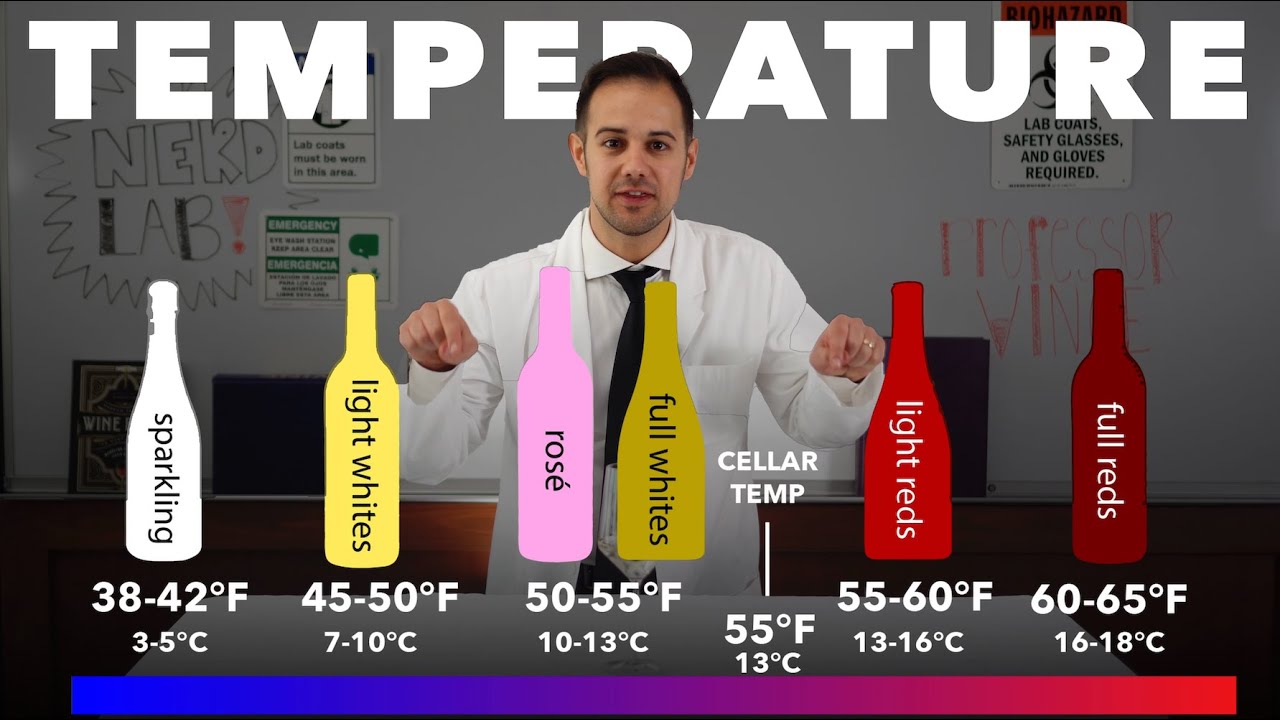
What temperature should I store red wine at?
Storing red wine at the right temperature is crucial for preserving its flavor, aroma, and overall quality. The ideal temperature range for storing red wine is typically between 55°F and 65°F (approximately 13°C to 18°C). This range allows the wine to age gracefully while maintaining its complexity.
When considering the specific temperature within this range, it’s essential to note that different types of red wine may have slightly different preferences. For instance:
- Light-bodied reds (like Pinot Noir) are best stored at the lower end of the spectrum, around 55°F to 60°F (13°C to 15°C).
- Medium-bodied reds (such as Merlot or Chianti) thrive at about 60°F to 65°F (15°C to 18°C).
- Full-bodied reds (like Cabernet Sauvignon) can be stored at the higher end, closer to 65°F (18°C).
In addition to the ideal temperature, its important to maintain a consistent environment. Fluctuations in temperature can negatively impact the wine, leading to spoilage or undesirable aging. Therefore, consider investing in a dedicated wine refrigerator or a temperature-controlled wine cellar to ensure that your red wine is kept in optimal conditions. Avoid storing red wine in places with extreme temperature variations, such as near ovens, windows, or in areas with direct sunlight.
Should red wine be kept in the fridge?
When it comes to storing red wine, many enthusiasts wonder whether refrigeration is a suitable option. Generally, red wine is best served at slightly warmer temperatures than white wine, typically between 55°F and 65°F (13°C to 18°C). However, placing red wine in the fridge can be beneficial in certain situations, especially if you plan to drink it soon.
Short-term storage of red wine in the fridge can help maintain its freshness and prevent spoilage. If you have opened a bottle and want to preserve its flavor, refrigeration can slow down the oxidation process. This is particularly useful for lighter-bodied reds, such as Pinot Noir, which can benefit from being chilled slightly before serving. For optimal taste, consider removing the bottle from the fridge about 30 minutes before serving to allow it to reach the ideal temperature.
On the other hand, long-term storage of red wine in the fridge is not recommended. The constant vibrations and fluctuations in temperature can negatively impact the wines aging process. Instead, red wine should be stored in a cool, dark place, ideally in a wine cellar or a dedicated wine refrigerator that maintains a consistent temperature. If a wine fridge isnt available, a regular refrigerator can suffice for short-term needs, but it should not be a permanent solution.
Ultimately, whether to keep red wine in the fridge depends on your consumption habits and the type of red wine. If you enjoy lighter reds or have an open bottle, the fridge can be a helpful ally. However, for long-term storage and aging, it’s best to find a more stable environment that allows the wine to develop its full potential.
Is 40 degrees too cold for red wine?
When it comes to serving red wine, temperature plays a crucial role in enhancing its flavor profile and aroma. Generally, red wine is best enjoyed at a temperature range between 55°F and 65°F (13°C to 18°C). Serving red wine at 40°F (4°C) is considered too cold for most varietals, as this temperature can mute the wines flavors and aromas, making it less enjoyable.
Why Serving Temperature Matters:
- Flavor Enhancement: At warmer temperatures, the complex flavors of red wine become more pronounced, allowing you to fully appreciate its characteristics.
- Aroma Release: Red wines often have intricate aromatic profiles that can be hindered when served too cold. Cooler temperatures can suppress the release of these aromas, leading to a less satisfying experience.
- Tannins and Acidity: The perception of tannins and acidity can also be altered at lower temperatures, potentially making a wine taste more astringent or acidic.
While some lighter-bodied red wines, such as Beaujolais or Pinot Noir, can be served slightly chilled, 40°F is still on the cooler end of the spectrum. For these wines, a temperature closer to 50°F (10°C) can enhance their refreshing qualities without sacrificing flavor. In contrast, full-bodied reds like Cabernet Sauvignon or Syrah are best enjoyed at temperatures closer to room temperature, allowing their robust profiles to shine.
In summary, serving red wine at 40 degrees is generally too cold, as it can inhibit the full expression of the wines character. To truly appreciate your red wine, aim for a temperature that balances refreshment with flavor enhancement, typically within the recommended range.
Is it OK to store red wine at 70 degrees?
Storing red wine at 70 degrees Fahrenheit is a topic of debate among wine enthusiasts and experts. While 70°F is often considered a safe temperature for short-term storage, it may not be ideal for long-term aging. Red wine, like many other varieties, has specific temperature requirements that can influence its taste, aroma, and overall quality.
Temperature Stability: One of the key factors in wine storage is temperature stability. Fluctuations in temperature can adversely affect the wines aging process. At 70°F, the wine may age faster than intended, leading to premature oxidation and a loss of flavor complexity. Ideally, red wine should be stored at a consistent temperature between 55°F and 65°F for optimal aging conditions.
Effects of Heat: While 70°F is not excessively high, prolonged exposure to temperatures above 65°F can lead to several undesirable outcomes for red wine. Some potential effects include:
- Accelerated aging, resulting in a loss of desirable flavors.
- Increased risk of cork deterioration, which can lead to spoilage.
- Alteration of aromatic compounds, affecting the wines bouquet.
If you find yourself in a situation where 70°F is the best option available, it’s crucial to ensure that the wine remains at this temperature consistently. Using a wine fridge or a climate-controlled cellar can help maintain the necessary environment for your red wine, preserving its quality for a more extended period.
See all our content in the Sitemaps or in our Vip Cheers Webmaps!
You read complete What Temp to Keep Red Wine: Perfect Serving Tips Explained See more about liqueurs here Wine.
Leave a Reply