
What is Tawny Port Wine? A Complete Guide to Its Rich Flavors
- What is Tawny Port Wine? An Introduction to Its Unique Characteristics
- The History of Tawny Port Wine: From Portugal to Your Glass
- How Tawny Port Wine is Made: The Aging Process Explained
- Tasting Notes and Flavor Profiles: What to Expect from Tawny Port Wine
- Food Pairings and Serving Suggestions for Tawny Port Wine
What is Tawny Port Wine? An Introduction to Its Unique Characteristics
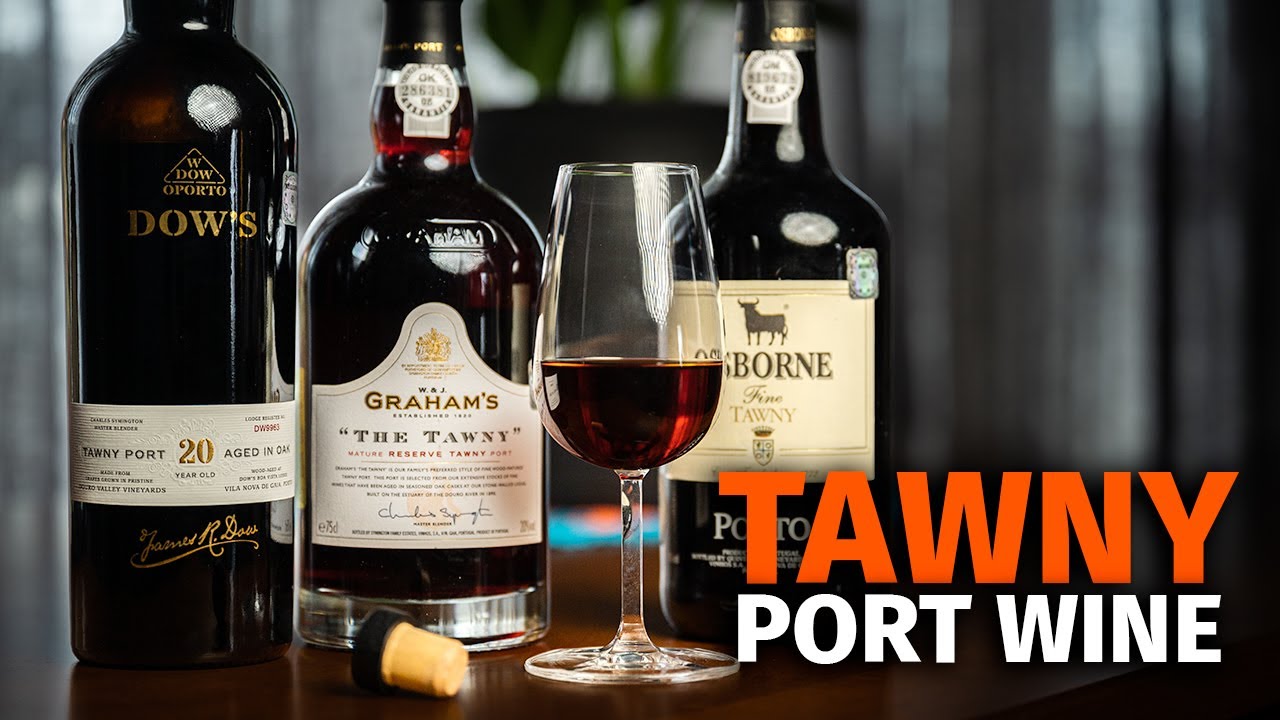
Tawny Port wine is a unique and beloved fortified wine that originates from the Douro Valley in Portugal. Known for its rich flavors and complex aromas, Tawny Port is a product of specific grape varieties, primarily Touriga Nacional, Touriga Franca, and Tinta Roriz. The term "Tawny" refers to the wines distinctive amber-brown color, which is achieved through extended aging in wooden casks. This aging process not only alters the wines hue but also develops its intricate flavor profile.
Characteristics of Tawny Port Wine
Tawny Port is characterized by its smooth texture and a wide range of flavor notes. Here are some of the most notable attributes:
- Color: Tawny Ports exhibit a beautiful tawny hue, which can range from light amber to deep brown, depending on the aging process.
- Aroma: The nose of a Tawny Port is often filled with rich scents of nuts, dried fruits, and spices, creating an inviting bouquet.
- Taste: On the palate, you can expect flavors of caramel, toffee, and roasted nuts, often accompanied by hints of chocolate and coffee.
- Finish: The finish is typically long and warming, leaving a pleasant lingering sweetness that makes it a favorite for dessert pairings.
The aging process of Tawny Port is a crucial factor in its development. Unlike Ruby Ports, which are aged for a shorter period and retain more of their fruitiness, Tawny Ports undergo oxidative aging. This means they are exposed to air, allowing the wine to mellow and develop complex flavors over time. Tawny Ports are typically categorized by their age, such as 10, 20, 30, or even 40 years, with older Ports generally offering deeper, more intricate flavors.
Another unique characteristic of Tawny Port is its versatility in food pairings. It can complement a variety of dishes, from rich cheeses and savory meats to decadent desserts. Whether enjoyed on its own as an after-dinner drink or paired with a meal, Tawny Port wine stands out as a sophisticated choice that appeals to both seasoned wine enthusiasts and newcomers alike.
The History of Tawny Port Wine: From Portugal to Your Glass
Tawny Port wine has a rich history that dates back to the 17th century in the Douro Valley of Portugal. This fortified wine is made primarily from indigenous grape varieties, and its production is closely tied to the unique terroir of the region. The method of creating Tawny Port involves aging the wine in wooden barrels, which imparts its characteristic nutty flavors and amber color. The origins of this delightful drink can be traced to the increasing demand for fortified wines in England, leading to the establishment of trade routes that connected Portugal with British merchants.
The term "Tawny" refers to the wines color, which results from prolonged exposure to oxygen during the aging process. This process not only enhances the flavor profile but also contributes to the wines smooth texture. Early producers, recognizing the benefits of aging, began to experiment with different aging techniques, leading to the distinct styles we enjoy today. Tawny Ports are typically classified by their age, including categories such as 10, 20, 30, and even 40 years old, with each designation reflecting the average age of the wines in the blend.
Key milestones in the history of Tawny Port wine include:
- Late 1600s: The first recorded exports of Port wine to England.
- 1756: The establishment of the Douro Valley as the first demarcated wine region in the world.
- 19th Century: The rise of Tawny Port as a popular choice among wine connoisseurs and the development of aging techniques.
- 20th Century: Innovations in production and a growing global appreciation for Tawny Port, expanding its reach beyond Portugal.
As Tawny Port gained popularity, it became a symbol of luxury and sophistication. It was not only enjoyed in Portugal but also found its way into the hearts and glasses of wine lovers worldwide. The meticulous craftsmanship involved in creating Tawny Port has led to its recognition as a prestigious wine, celebrated for its complexity and depth of flavor. Today, Tawny Port continues to be a beloved choice for dessert pairings, special occasions, and as a delightful after-dinner drink, maintaining its legacy as a timeless Portuguese treasure.
How Tawny Port Wine is Made: The Aging Process Explained
Tawny Port wine is renowned for its rich, nutty flavors and smooth texture, a result of a meticulous aging process that takes place in wooden casks. The journey of Tawny Port begins with the fermentation of grapes, typically from the Douro Valley in Portugal. Once the fermentation is complete, the winemaker adds grape spirit to the wine, stopping fermentation and preserving the natural sweetness of the grapes. This fortified wine is then ready to enter the aging phase, which is crucial for developing the distinctive tawny characteristics.
Aging in Wooden Casks
The aging process of Tawny Port primarily occurs in oak barrels, which allows the wine to interact with the wood. This interaction contributes to the wines color, aroma, and flavor profile. The casks are often old and have previously held other wines, which helps to prevent excessive tannin extraction. As the wine ages, it undergoes oxidation, a process that softens the tannins and enhances the complexity of flavors. During this time, Tawny Port can develop notes of caramel, nuts, dried fruits, and spices.
Duration of Aging
The aging period for Tawny Port can vary significantly, ranging from a minimum of 3 years to several decades. The age of the Tawny Port is often indicated on the label, such as "10 Years Old" or "20 Years Old." Each year spent in the cask allows the wine to evolve, with older Ports typically exhibiting deeper colors and more intricate flavors. The evaporation of water from the barrels, known as the "angels share," also concentrates the flavors, leading to the signature richness of Tawny Port.
Blending and Bottling
After aging, Tawny Ports are often blended to achieve a consistent flavor profile that reflects the house style. Winemakers carefully select wines from different vintages to create a balanced and harmonious blend. Once the desired taste is achieved, the wine is filtered and bottled. Unlike vintage ports, Tawny Ports are ready to drink upon bottling, thanks to the extensive aging process they undergo. This makes them an accessible choice for wine lovers seeking a complex and flavorful experience.
Tasting Notes and Flavor Profiles: What to Expect from Tawny Port Wine
Tawny Port wine is celebrated for its rich and complex flavor profile, a result of aging in wooden barrels that allows it to develop a unique character over time. When you pour a glass of Tawny Port, expect to encounter an array of enticing aromas and tastes. The color ranges from golden amber to deep mahogany, hinting at the depth of flavors that await.
Common Tasting Notes:
- Dried Fruits: Look for notes of figs, raisins, and apricots, which contribute to the wines sweetness and complexity.
- Nuts: Expect a nutty quality, often reminiscent of walnuts and almonds, adding a layer of richness to the overall experience.
- Spices: Subtle hints of baking spices such as cinnamon and clove may also be present, enhancing the warmth of the wine.
- Caramel and Toffee: The aging process imparts flavors of caramel, toffee, and butterscotch, providing a sweet and smooth finish.
The flavor profile of Tawny Port is not only rich but also remarkably balanced. The sweetness is often complemented by a refreshing acidity, making it versatile for various pairings. The wines long aging process can also lead to a velvety texture that coats the palate, enhancing the tasting experience. Each sip reveals a new layer, allowing for a delightful exploration of its depth.
Moreover, the age of the Tawny Port plays a crucial role in its flavor development. Younger Tawny Ports may exhibit more fruit-forward characteristics, while older variants tend to showcase more complex and refined flavors. Expect to experience an evolution of taste as the wine breathes, with the intricate interplay of sweetness and acidity becoming more pronounced. This dynamic nature makes Tawny Port a fascinating choice for both casual drinkers and wine connoisseurs alike.
Food Pairings and Serving Suggestions for Tawny Port Wine
Tawny Port, with its rich, nutty flavors and velvety texture, pairs beautifully with a variety of foods, enhancing both the wine and the dining experience. This fortified wine is particularly well-suited for desserts, but it can also complement savory dishes. When considering food pairings, aim for options that balance the wine’s sweetness and complexity.
Perfect Pairings with Tawny Port
- Cheese: Aged cheeses such as Stilton or sharp cheddar work wonderfully, as their saltiness contrasts the sweetness of the Tawny. Consider serving a cheese platter with dried fruits for an exquisite tasting experience.
- Nuts: Roasted almonds, walnuts, and hazelnuts enhance the nutty characteristics of the wine. Their crunchy texture provides a delightful contrast to the smoothness of Tawny Port.
- Chocolate Desserts: Dark chocolate tarts, brownies, or chocolate mousse are excellent choices. The richness of chocolate complements the caramel and toffee notes found in the wine.
- Fruit-Based Desserts: Tarts or crumbles made with apples, pears, or figs can create a harmonious balance, as the fruits natural sweetness pairs nicely with the wines profile.
Serving Suggestions
To fully appreciate Tawny Port, it is essential to serve it at the right temperature. Aim for slightly chilled, around 60-65°F (15-18°C), which allows the complex flavors to emerge. Consider using a small glass, such as a port glass or a sherry copita, to concentrate the aromas.
When it comes to serving Tawny Port, a thoughtful approach can elevate the overall experience. Decanting the wine can help aerate it, releasing its rich bouquet and softening its flavors. Additionally, pairing Tawny Port with a selection of cured meats, such as prosciutto or salami, can create an intriguing contrast, making for a well-rounded tasting experience that captivates the palate.
See all our content in the Sitemaps or in our Vip Cheers Webmaps!
You read complete What is Tawny Port Wine? A Complete Guide to Its Rich Flavors See more about liqueurs here Wine.
Leave a Reply