
Dimensions of a Standard Wine Bottle: Complete Guide
- Understanding the Dimensions of a Standard Wine Bottle
- Common Sizes: What Are the Standard Wine Bottle Dimensions?
- Why Wine Bottle Dimensions Matter: A Guide for Wine Enthusiasts
- Comparing Standard Wine Bottle Dimensions to Other Bottle Sizes
- How to Choose the Right Wine Bottle Dimensions for Your Needs
Understanding the Dimensions of a Standard Wine Bottle
When it comes to wine bottles, understanding their dimensions is essential for both wine enthusiasts and industry professionals. A standard wine bottle typically holds 750 milliliters of liquid, which is equivalent to about five glasses of wine. The height of a standard wine bottle is generally around 12 inches (30 cm), while its diameter ranges from 2.8 inches (7 cm) to 3 inches (7.6 cm). These measurements can vary slightly depending on the bottles shape and style, but the 750 ml size is widely recognized as the norm across the globe.
The shape of a wine bottle can also affect its dimensions. For instance, Bordeaux-style bottles tend to have a taller neck and a wider base, while Burgundy-style bottles feature a more rounded shape with a shorter neck. This variation in design not only influences the aesthetic appeal but also plays a role in the aging process of the wine. The different dimensions allow for variations in cork size and surface area exposure to air, which can impact the wines flavor development over time.
In addition to height and diameter, the weight of a standard wine bottle can also be a consideration, especially for shipping and storage purposes. A typical glass wine bottle weighs approximately 1.2 to 1.5 pounds (0.54 to 0.68 kg) when empty. The weight can vary depending on the glass thickness and design. For example, premium wines often come in heavier bottles to convey a sense of quality and luxury.
When selecting a wine bottle, it’s also important to consider the dimensions of your wine storage solutions. Whether you’re using a wine rack, cooler, or cellar, knowing the size of standard wine bottles can help you maximize your storage efficiency. Understanding these dimensions can enhance your wine experience, ensuring that your collection is not only well-stored but also easily accessible.
Common Sizes: What Are the Standard Wine Bottle Dimensions?
When it comes to wine, the bottle size can significantly influence the aging process, taste, and even the serving experience. Understanding the standard wine bottle dimensions is essential for wine enthusiasts and collectors alike. The most common wine bottle sizes range from the standard 750ml bottle to larger formats designed for special occasions.
Standard Wine Bottle Size
The most widely recognized wine bottle size is the 750ml bottle, which is the standard for most wines. This size is convenient for both storage and serving, making it the go-to choice for wineries and consumers. The typical dimensions for a 750ml bottle are approximately 12 inches in height and 3 inches in diameter.
Popular Larger Formats
For those looking to make a statement, larger wine bottles are also available. Here are some of the popular larger formats and their corresponding volumes:
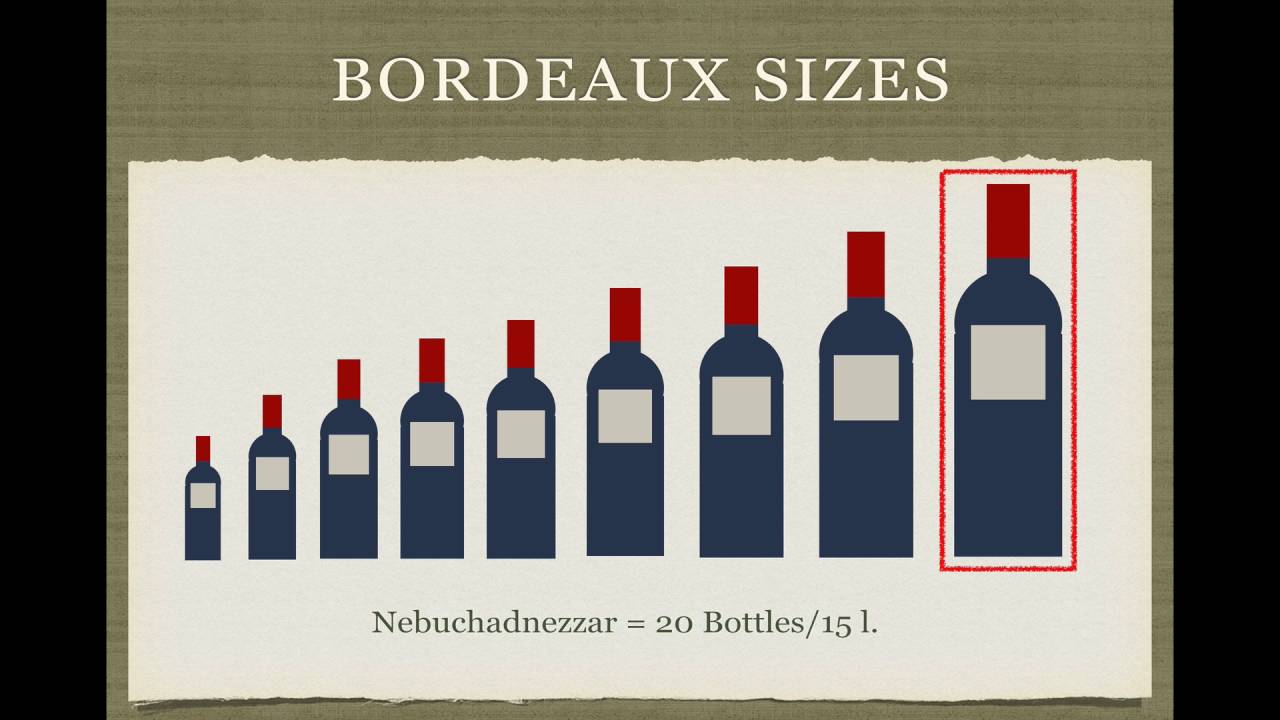
- Magnum: 1.5 liters (equivalent to two standard bottles)
- Jeroboam: 3 liters (equivalent to four standard bottles)
- Rehoboam: 4.5 liters (equivalent to six standard bottles)
- Imperial: 6 liters (equivalent to eight standard bottles)
These larger bottles not only offer a unique presentation but also allow wine to age more gracefully due to the lower ratio of oxygen to wine. As the size increases, the dimensions of the bottles also change, often becoming taller and wider, which can influence how they fit in storage spaces.
Smaller Formats
In addition to standard and large formats, there are also smaller bottle sizes that cater to different needs. Common smaller formats include:
- Half Bottle: 375ml (equivalent to half a standard bottle)
- Quarter Bottle: 187ml (equivalent to a quarter of a standard bottle)
These smaller bottles are ideal for tasting events, single servings, or when trying new wines without committing to a full bottle. Understanding these dimensions can help wine lovers make informed choices based on their preferences and occasions.
Why Wine Bottle Dimensions Matter: A Guide for Wine Enthusiasts
When it comes to wine, the dimensions of the bottle can significantly impact not just the aesthetics but also the quality of the wine inside. Understanding the various sizes and shapes of wine bottles is essential for wine enthusiasts who wish to enhance their tasting experience. From the classic Bordeaux bottle to the elegant Burgundy shape, each design serves a specific purpose and can influence factors such as aging potential and flavor profile.
1. Aging Potential
The dimensions of a wine bottle, particularly its height and width, can affect how the wine ages over time. A taller bottle typically has a narrower neck, which can limit oxygen exposure and help preserve the wines integrity. In contrast, wider bottles may allow for a larger surface area of the wine to interact with the air, potentially accelerating the aging process. This is crucial for collectors who are investing in wines for long-term aging.
2. Temperature Regulation
The thickness of the glass used in wine bottles can also play a role in temperature regulation. Thicker bottles provide better insulation, helping to maintain a stable temperature for the wine inside. This is particularly important for delicate varietals that can be sensitive to temperature fluctuations. For enthusiasts who enjoy hosting tastings, understanding these nuances can ensure that the wine is served at its optimal temperature.
3. Presentation and Serving
Lastly, the dimensions of a wine bottle contribute to its overall presentation and ease of serving. Bottles with a more slender design are often easier to hold and pour, making them ideal for formal occasions or tastings. Additionally, the shape of the bottle can influence the perceived quality of the wine. A well-designed bottle can enhance the overall experience, making it a more enjoyable event for both hosts and guests. Understanding these dimensions allows wine lovers to appreciate not just the taste but also the craftsmanship behind each bottle.
Comparing Standard Wine Bottle Dimensions to Other Bottle Sizes
When it comes to wine, understanding bottle dimensions is crucial for both producers and consumers. The standard wine bottle typically holds 750 milliliters and measures approximately 12 inches in height with a diameter of about 3 inches. This size has become the industry norm, making it easy for consumers to identify and purchase wines. However, wine bottles come in various sizes, each serving different purposes and occasions.
Standard Wine Bottle Dimensions
The dimensions of a standard wine bottle are designed to accommodate the fermentation and aging processes while ensuring ease of storage and handling. Here are the key features of a standard wine bottle:
- Volume: 750 milliliters
- Height: Approximately 12 inches
- Diameter: Around 3 inches
Other Common Wine Bottle Sizes
In addition to the standard size, there are several other common wine bottle sizes that serve different purposes. These include:
- Half Bottle (375 ml): Often used for dessert wines or personal consumption.
- Magnum (1.5 L): Equivalent to two standard bottles, ideal for celebrations.
- Jeroboam (3 L): Holds four standard bottles, typically used for large events.
- Rehoboam (4.5 L): Contains six standard bottles, often seen in high-end wine service.
Understanding these dimensions not only helps in selecting the right bottle for the right occasion but also plays a role in storage and aging. Larger bottles, for example, tend to age more slowly due to the reduced ratio of oxygen exposure, which can enhance the wines complexity over time. In contrast, smaller bottles may be more convenient for casual consumption but can lack the aging potential of their larger counterparts. This comparison of sizes is essential for wine enthusiasts looking to optimize their drinking experience.
How to Choose the Right Wine Bottle Dimensions for Your Needs
When selecting the right wine bottle dimensions, its essential to consider the purpose and context of your wine consumption. Different occasions may call for different bottle sizes, and understanding these can enhance your wine experience. For casual gatherings, standard 750ml bottles are typically sufficient, providing enough wine for a small group without excessive leftovers. However, if youre planning a larger event, you might want to opt for larger formats, such as magnums (1.5 liters) or even larger bottles, which not only offer more wine but can also be a conversation starter.
Another important factor to consider is the type of wine you are purchasing. Some wines, particularly those intended for aging, may benefit from larger bottle sizes. Larger bottles tend to age more slowly, allowing the wine to develop more complex flavors over time. Conversely, if you are buying wine for immediate consumption, a standard 750ml bottle is usually the best choice. Always keep in mind the wines varietal and style, as some wines are better suited for specific bottle dimensions.
When it comes to storage, the dimensions of the wine bottle can also impact how you organize your collection. If space is limited, you may want to opt for slimmer bottles, which can easily fit into tight spaces or wine racks. Here are some dimensions to consider:
- Standard Bottle (750ml): The most common size, ideal for most occasions.
- Magnum (1.5 liters): Perfect for celebrations and gatherings.
- Jeroboam (3 liters): Great for large parties and special events.
- Half Bottle (375ml): Ideal for tasting flights or smaller servings.
Lastly, aesthetics can also play a role in your choice of wine bottle dimensions. Unique bottle shapes and sizes can add a decorative element to your dining table or wine cellar. Whether youre choosing a bottle for a gift or to showcase at a dinner party, selecting a visually appealing bottle can enhance the overall experience. Always consider how the dimensions align with your personal style and the impression you want to leave on your guests.
See all our content in the Sitemaps or in our Vip Cheers Webmaps!
You read complete Dimensions of a Standard Wine Bottle: Complete Guide See more about liqueurs here Wine.
Leave a Reply