
Does Red or White Wine Have More Alcohol? Find Out Here!
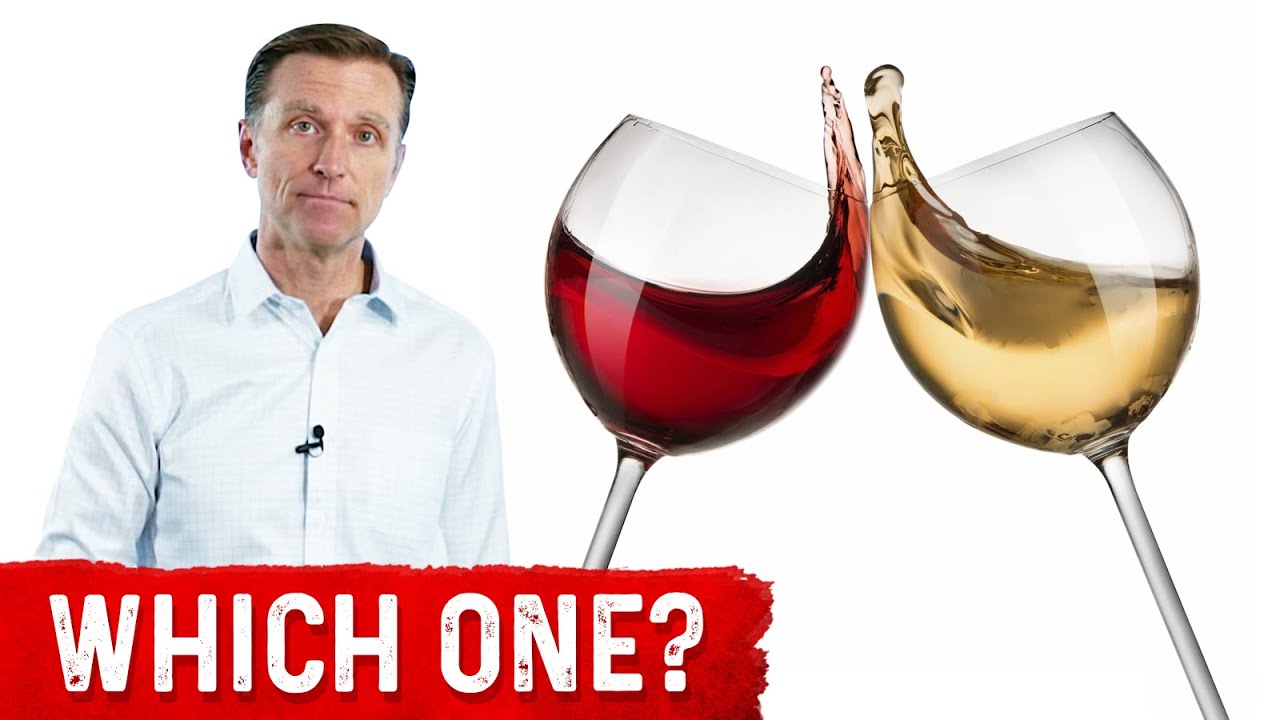
- Understanding Alcohol Content in Wine: An Overview
- Red Wine vs. White Wine: A Comparative Analysis of Alcohol Levels
- Factors Influencing Alcohol Content in Red and White Wines
- How to Choose Between Red and White Wine Based on Alcohol Percentage
- Conclusion: Which Wine Contains More Alcohol – Red or White?
Understanding Alcohol Content in Wine: An Overview
Wine is a beloved beverage that varies widely in flavor, aroma, and alcohol content. The alcohol content in wine is typically expressed as a percentage of alcohol by volume (ABV). This percentage indicates how much of the total liquid is alcohol, providing insight into the strength of the wine. Understanding alcohol content is essential for both casual drinkers and connoisseurs alike, as it can influence the wines taste profile and overall experience.
Factors Influencing Alcohol Content
Several factors contribute to the alcohol content in wine, including:
- Grape Variety: Different grape varieties have varying sugar levels, which can affect fermentation and ultimately the alcohol content.
- Fermentation Process: The fermentation process, where yeast converts sugar into alcohol, plays a crucial role. The longer the fermentation, the higher the potential alcohol content.
- Climate: Grapes grown in warmer climates tend to have higher sugar levels, resulting in wines with higher alcohol percentages.
- Winemaking Techniques: Techniques such as chaptalization (adding sugar) can increase alcohol levels, while methods like dilution can decrease them.
Alcohol Content Ranges in Different Wine Types
Understanding the typical alcohol content ranges can help wine enthusiasts make informed choices. Generally, the ABV for various wine types falls within the following ranges:
- Light White Wines: 8% - 12% ABV
- Full-Bodied White Wines: 13% - 15% ABV
- Light Red Wines: 12% - 13.5% ABV
- Full-Bodied Red Wines: 13.5% - 15% ABV
- Dessert Wines: 15% - 20% ABV
Implications of Alcohol Content
The alcohol content in wine not only affects its flavor and aroma but also influences the overall drinking experience. Higher alcohol levels can lead to a warmer mouthfeel and a richer taste, while lower alcohol wines tend to be more refreshing and crisp. Additionally, understanding alcohol content is crucial for responsible consumption, as it directly impacts how quickly the body metabolizes alcohol and can affect intoxication levels. Knowing the ABV of your wine can help you enjoy it safely and enhance your appreciation of the diverse world of wine.
Red Wine vs. White Wine: A Comparative Analysis of Alcohol Levels
When it comes to the alcohol content in wines, red and white varieties can differ significantly, influencing both flavor profiles and overall drinking experiences. Typically, red wines tend to have a higher alcohol content compared to white wines. On average, red wines range from 13% to 15% alcohol by volume (ABV), while white wines usually fall between 11% and 14% ABV. This difference can be attributed to various factors, including grape variety, fermentation processes, and regional winemaking practices.
Factors Influencing Alcohol Levels in Red and White Wines:
- Grape Variety: Certain grape varieties naturally contain higher sugar levels, which can lead to increased alcohol production during fermentation.
- Fermentation Temperature: Red wines are often fermented at warmer temperatures, promoting a more robust fermentation process that can elevate alcohol levels.
- Winemaking Techniques: Techniques such as extended maceration in red wine production can enhance both flavor and alcohol concentration.
Additionally, the geographic origin of the grapes plays a crucial role in determining alcohol levels. Regions with warmer climates, such as parts of California or Australia, tend to produce wines with higher alcohol content due to the increased sugar concentration in grapes. Conversely, cooler regions, like Germany or parts of France, typically yield wines with lower alcohol percentages.
Understanding these variations is essential for wine enthusiasts and consumers alike, as the alcohol content can significantly impact the taste, aroma, and overall enjoyment of the wine. While red wines often provide a fuller body and richer flavors, white wines can offer a lighter, crisper profile, making them suitable for different occasions and pairings.
Factors Influencing Alcohol Content in Red and White Wines
The alcohol content in both red and white wines is primarily determined by several key factors, including grape variety, fermentation process, and climate conditions. Understanding these elements can provide insights into why some wines have higher alcohol levels than others.
Grape Variety
Different grape varieties naturally contain varying levels of sugars, which are crucial for alcohol production during fermentation. For instance, grapes like Zinfandel and Cabernet Sauvignon tend to have higher sugar concentrations, leading to wines with elevated alcohol content. In contrast, grapes such as Pinot Noir and Riesling often yield wines with lower alcohol levels. The inherent characteristics of the grape not only influence the final alcohol percentage but also affect the overall flavor profile and body of the wine.
Fermentation Process
The fermentation process is another significant factor affecting alcohol content. During fermentation, yeast consumes the sugars present in the grape juice and converts them into alcohol and carbon dioxide. Winemakers can manipulate this process in several ways, such as controlling fermentation temperature and duration, to achieve the desired alcohol level. Additionally, the choice of yeast strain can impact fermentation efficiency, leading to variations in the final alcohol content. For example, some yeast strains are more efficient at converting sugar to alcohol, resulting in a higher alcohol concentration in the finished wine.
Climate Conditions
Climate plays a critical role in grape ripening and sugar accumulation. Regions with warmer climates typically produce grapes that have higher sugar levels, which can lead to wines with increased alcohol content. Conversely, cooler climates may result in lower sugar concentrations and, consequently, lower alcohol levels in the wine. Factors such as sunlight exposure, rainfall, and temperature fluctuations throughout the growing season can significantly influence the ripeness of the grapes, thus impacting the final alcohol content of the wine.
In summary, the interplay between grape variety, fermentation techniques, and climate conditions creates a complex landscape for the alcohol content in both red and white wines. Understanding these factors can enhance your appreciation of wine and guide your choices when selecting a bottle.
How to Choose Between Red and White Wine Based on Alcohol Percentage
When selecting between red and white wine, the alcohol percentage can significantly influence your choice. Typically, red wines tend to have a higher alcohol content, ranging from 12% to 15%, while white wines generally fall between 9% and 14%. Understanding these ranges is crucial, especially if you are mindful of your alcohol intake or are pairing wine with food.
Consider the Occasion: The alcohol percentage may impact your enjoyment depending on the event. For a casual gathering or a summer picnic, you might prefer a lighter white wine with a lower alcohol content, which can be more refreshing and easier to sip throughout the day. Conversely, for a cozy dinner or a formal event, a robust red wine with a higher alcohol content can complement hearty dishes and enhance the overall dining experience.
Food Pairing: The alcohol percentage in wine can also affect its flavor profile and how it pairs with food. Higher alcohol wines often have more pronounced flavors, which can stand up to rich, savory dishes. If youre serving a grilled steak or a rich pasta, a full-bodied red wine with higher alcohol content could be the perfect match. On the other hand, lighter white wines with lower alcohol percentages are better suited for seafood, salads, or light appetizers, providing a crisp contrast to these flavors.
Personal Preference: Ultimately, your choice between red and white wine should align with your taste preferences and tolerance for alcohol. If you enjoy the bold flavors and warmth of a higher alcohol red, that may be your go-to. However, if you prefer a more subtle and refreshing experience, a lower alcohol white wine might be more appealing. Always remember to consider both the alcohol content and your personal taste when making your selection, as this will lead to a more enjoyable wine experience.
Conclusion: Which Wine Contains More Alcohol – Red or White?
When comparing the alcohol content of red and white wines, it’s important to understand that both types can vary significantly based on the grape variety, fermentation process, and regional production methods. Generally, red wines tend to have a slightly higher alcohol content compared to white wines. This is largely due to the fermentation process, where red wines often ferment with the grape skins, leading to a richer flavor profile and increased alcohol levels.
Typical Alcohol Content:
- Red Wines: The average alcohol by volume (ABV) for red wines typically ranges from 12% to 15%. Some robust varieties, such as Zinfandel or Shiraz, can even exceed 15% ABV.
- White Wines: On the other hand, white wines usually fall between 11% to 14% ABV, with lighter varietals like Sauvignon Blanc and Pinot Grigio often on the lower end of the scale.
While these averages provide a useful guideline, its crucial to note that there are exceptions. For example, certain dessert wines or fortified wines, like Port or Sherry, can have higher alcohol content, blurring the lines between the two categories. Additionally, climate and winemaking techniques can influence the final alcohol levels, making some white wines stronger than their red counterparts.
In summary, while red wines generally contain more alcohol than white wines, the specific alcohol content can vary widely. It is always best to check the label for the exact ABV of a particular bottle, as individual winemakers may produce wines that deviate from these typical ranges.
See all our content in the Sitemaps or in our Vip Cheers Webmaps!
You read complete Does Red or White Wine Have More Alcohol? Find Out Here! See more about liqueurs here Wine.
Leave a Reply