
Difference Between White Wine and Red Wine Glasses Explained
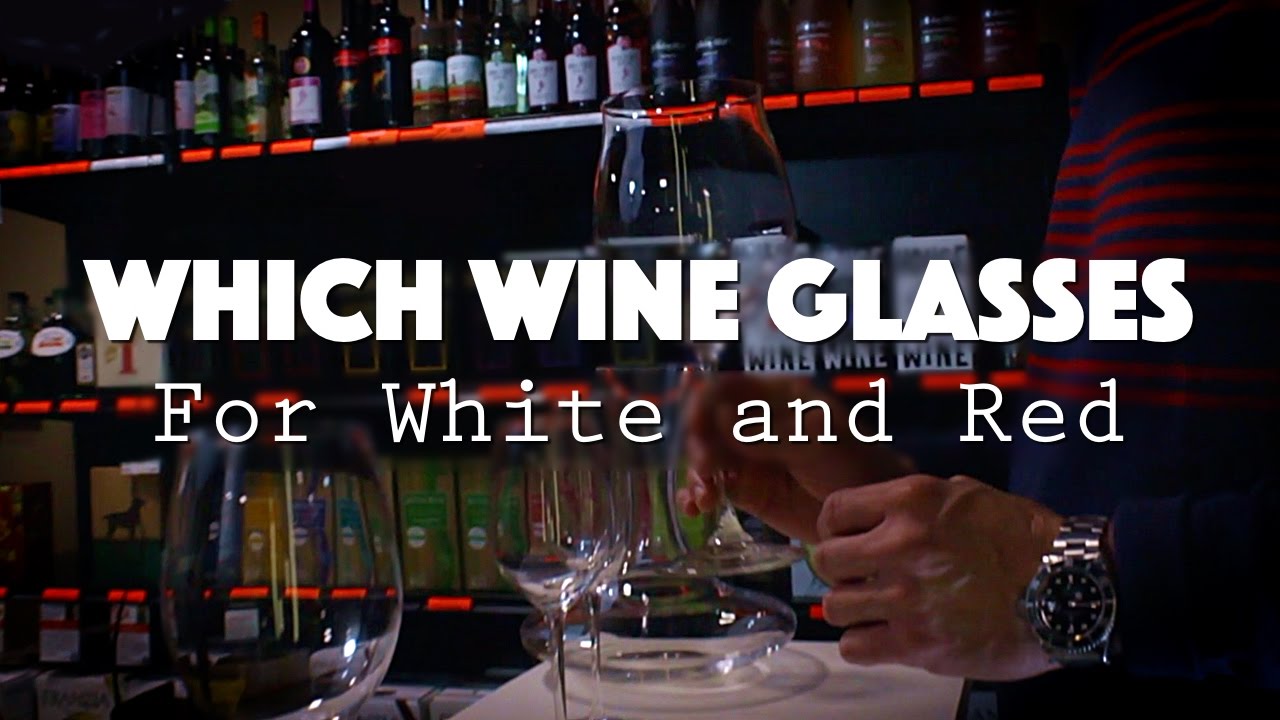
- Understanding the Basic Differences Between White Wine and Red Wine Glasses
- Why Glass Shape Matters: The Impact on Aroma and Flavor
- Material Matters: Glass Types for White and Red Wine
- Choosing the Right Glass: Tips for Serving White and Red Wine
- Common Misconceptions About White and Red Wine Glasses
Understanding the Basic Differences Between White Wine and Red Wine Glasses
When it comes to enjoying wine, the type of glass you use can significantly impact the overall experience. Understanding the basic differences between white wine and red wine glasses is essential for both casual drinkers and connoisseurs alike. Each type of glass is designed with specific characteristics that enhance the wines aroma, flavor, and overall presentation.
Shape and Size
One of the most notable differences between white wine and red wine glasses is their shape and size. Red wine glasses are typically larger and have a wider bowl. This design allows for greater air exposure, which is crucial for releasing the complex aromas and flavors inherent in red wines. In contrast, white wine glasses are generally smaller and have a narrower bowl. This shape helps to maintain the cooler temperature of white wines and directs the wine to the right part of the palate, enhancing its crispness and acidity.
Glass Thickness
Another key difference lies in the thickness of the glass. Red wine glasses often feature a thicker rim, which can help in capturing the robust flavors of full-bodied wines. Meanwhile, white wine glasses tend to have a thinner rim, allowing for a more delicate drinking experience that complements the lighter, more refreshing characteristics of white wines. The thickness not only affects the sensory experience but also influences the wines temperature retention.
Aroma and Taste Enhancement
The design of these glasses is not merely aesthetic; it plays a crucial role in enhancing the wines aroma and taste. The wider opening of red wine glasses allows for more air circulation, which can soften tannins and elevate the wines bouquet. Conversely, the narrower rim of white wine glasses focuses the wines aromas, making it easier to appreciate the subtle notes of floral and fruity scents. This distinction is vital for those looking to savor every nuance in their glass.
Why Glass Shape Matters: The Impact on Aroma and Flavor
The shape of a glass is not just an aesthetic choice; it plays a crucial role in enhancing the aroma and flavor of beverages. Different glass designs can influence how aromas are concentrated and how flavors are perceived. For instance, a glass with a wide bowl allows for greater surface area exposure, promoting the release of volatile compounds that contribute to the aroma. This is particularly important for wines and spirits, where the olfactory experience significantly impacts overall enjoyment.
Aroma Concentration: The curvature and rim of a glass can direct aromas toward the nose. A tapered rim, as found in many wine glasses, funnels scents upward, allowing drinkers to savor the full bouquet of the beverage. In contrast, a straight-edged glass may disperse aromas, resulting in a less immersive experience. The interaction between the glass shape and the liquid inside is key to unlocking the beverages true potential.
Flavor Perception: The design of a glass also affects how liquid interacts with the palate. For example, a glass with a wider opening can allow for a more pronounced taste profile by allowing the liquid to spread across a larger area of the tongue. This can enhance sweetness, acidity, and bitterness, ultimately influencing the overall flavor experience. Additionally, the material of the glass—whether crystal or glass—can also play a role in how flavors are perceived, with different materials affecting temperature and mouthfeel.
Types of Glass and Their Effects:
- Red Wine Glass: Typically has a larger bowl to aerate the wine and enhance its aroma.
- White Wine Glass: Generally more slender to maintain cooler temperatures and direct aromas.
- Whiskey Glass: Often has a heavier base and wider opening, allowing for the appreciation of complex scents.
- Beer Glass: Various shapes, such as pint or tulip glasses, help to maintain head retention and enhance the aromatic experience.
Understanding the impact of glass shape on aroma and flavor can elevate your drinking experience, allowing you to appreciate the nuanced characteristics of your favorite beverages. By choosing the right glass, you can significantly enhance both the olfactory and gustatory aspects of your drink, making each sip a more rewarding experience.
Material Matters: Glass Types for White and Red Wine
When it comes to enjoying wine, the type of glass you use can significantly enhance the overall experience. Different wines benefit from different glass shapes and materials, particularly when distinguishing between white and red wines. Understanding these differences can help you make the best choice for your next tasting or dinner party.
Glass Types for Red Wine
Red wine glasses are typically larger and feature a wider bowl. This design allows for greater air exposure, which is essential for the oxidation process that enhances the wines aroma and flavor. Common materials used for red wine glasses include:
- Crystal: Offers clarity and brilliance, enhancing the visual appeal of the wine.
- Lead-free glass: A safer alternative to traditional crystal, providing excellent clarity without the health concerns associated with lead.
- Tempered glass: Durable and resistant to breakage, making it ideal for outdoor settings.
Glass Types for White Wine
White wine glasses are typically smaller and have a narrower bowl compared to red wine glasses. This design helps to preserve the wines crispness and maintain its cooler temperature. When selecting glass materials for white wine, consider the following options:
- Standard glass: A practical and cost-effective choice that provides adequate clarity and thermal insulation.
- Lead-free crystal: Offers a delicate touch and enhances the wines aroma without the risks associated with lead.
- Recyclable glass: An eco-friendly option that still maintains a stylish appearance for casual or formal settings.
Choosing the right glass type for white and red wine is crucial in elevating your tasting experience. By understanding the characteristics of various materials and shapes, you can select the perfect glass to complement your favorite varietals.
Choosing the Right Glass: Tips for Serving White and Red Wine
When it comes to enjoying wine, the type of glass you choose can significantly enhance your tasting experience. Each wine varietal is best served in a specific glass designed to accentuate its unique characteristics. Understanding these differences is key to making the most of your wine-drinking experience.
Red Wine Glasses
Red wines generally benefit from larger, bowl-shaped glasses. This design allows for greater air exposure, which helps to release the wines aromas and flavors. Here are some important considerations when selecting a glass for red wine:
- Size: A larger glass provides more surface area for the wine to breathe.
- Shape: A wider bowl helps to concentrate the aromas, enhancing your overall experience.
- Stem: A long stem allows you to hold the glass without warming the wine with your hands.
White Wine Glasses
In contrast, white wines are best served in smaller, narrower glasses. This design helps to maintain the wines cooler temperature and preserves its crispness. Consider the following tips when choosing a glass for white wine:
- Height: A taller glass helps to concentrate the delicate aromas of white wines.
- Narrow bowl: This shape keeps the wine chilled and focuses the scents towards your nose.
- Stem: Similar to red wine glasses, a long stem is preferable for maintaining the ideal temperature.
By selecting the appropriate glass for each type of wine, you can elevate your tasting experience and appreciate the intricate flavors and aromas that each varietal has to offer. Whether youre savoring a robust Cabernet Sauvignon or a crisp Sauvignon Blanc, the right glass can make all the difference.
Common Misconceptions About White and Red Wine Glasses
When it comes to wine glasses, many people hold onto a variety of misconceptions, particularly regarding the differences between white and red wine glasses. One prevalent myth is that red wine glasses are exclusively for red wines and white wine glasses are strictly for whites. While its true that each type is designed to enhance specific characteristics of the wines, the reality is that wine enjoyment is subjective. Many wine enthusiasts find that personal preference often trumps traditional guidelines.
Another common misconception is that larger bowls are only for red wine glasses. In fact, while red wine glasses often feature a larger bowl to allow for aeration, some white wine glasses also come with a generous bowl design. This is especially true for fuller-bodied white wines, which can benefit from a larger surface area to release their complex aromas. Therefore, the size of the glass is not solely indicative of the wine type it should hold; its about enhancing the overall tasting experience.
Additionally, many believe that using the "wrong" glass can ruin the wine experience. However, this is not entirely accurate. While the shape of the glass can influence the perception of aroma and taste, the most important factor is the quality of the wine itself. A good wine can still be enjoyed in a less-than-ideal glass. For those who are new to wine tasting, it’s essential to remember that comfort and enjoyment should always take precedence over rigid adherence to glassware norms.
Finally, theres a misconception that all wine glasses should be stemmed to avoid warming the wine with your hand. While stemmed glasses are traditional, stemless glasses have gained popularity and can be equally effective for enjoying both white and red wines. The choice between stemmed and stemless ultimately comes down to personal preference and the occasion. Embracing this flexibility can lead to a more enjoyable and relaxed wine-drinking experience.
See all our content in the Sitemaps or in our Vip Cheers Webmaps!
You read complete Difference Between White Wine and Red Wine Glasses Explained See more about liqueurs here Wine.
Leave a Reply