
Best Cheap White Wine for Cooking: Top Picks Under $10
Why Choose Cheap White Wine for Cooking?
When it comes to cooking, the type of wine you use can significantly influence the flavor of your dishes. Choosing cheap white wine for cooking offers several advantages that make it a practical choice for both amateur cooks and seasoned chefs. One of the primary reasons is affordability. Cooking often requires larger quantities of wine, and using a budget-friendly option allows you to save money without sacrificing taste.
Flavor Profile: Many cheap white wines have a balanced acidity and fruitiness that can enhance a variety of dishes. Whether youre preparing a creamy risotto, a light seafood dish, or a savory sauce, these wines can provide the necessary depth without overpowering the other ingredients. The goal of using wine in cooking is to complement and elevate flavors, and inexpensive white wines can achieve this beautifully.
Accessibility: Cheap white wines are widely available, making them easy to find in local stores or online. This accessibility means you won’t have to search high and low for a specific vintage or brand. Moreover, many of these wines are produced in large quantities, ensuring consistency in flavor and quality, which is essential for reliable cooking results.
Versatility: Cheap white wines can be used in a variety of cooking applications. From deglazing pans to marinades and dressings, their versatility makes them a staple in any kitchen. They can also be used in dessert recipes, such as poaching fruits or making sauces, providing a delightful sweetness that can enhance the overall dish. Using a less expensive wine allows you to experiment more freely, encouraging creativity in your cooking without the worry of wasting an expensive bottle.
Top 5 Best Cheap White Wines for Cooking
When it comes to cooking, selecting the right white wine can elevate your dishes without breaking the bank. Here, we highlight the top five best cheap white wines that not only enhance flavor but also keep your culinary budget intact. These selections are versatile and can be used in a variety of recipes, from marinades to sauces.
1. Sauvignon Blanc
Sauvignon Blanc is a zesty and aromatic wine that pairs well with a variety of dishes. Its bright acidity makes it an excellent choice for seafood and poultry. Look for options from regions like Chile or New Zealand, where you can find great bottles under $10. The crispness of Sauvignon Blanc adds a refreshing note to risottos and vinaigrettes.
2. Pinot Grigio
Pinot Grigio is another fantastic option for cooking, especially for lighter dishes. This wine is known for its clean and fruity flavor profile, making it ideal for pasta dishes, white sauces, and even sautéing vegetables. Many Italian brands offer affordable Pinot Grigio that won’t compromise on quality, making it a staple in any kitchen.
3. Chardonnay
Chardonnay is a versatile white wine that can be found in a range of styles, from oaked to unoaked. For cooking, an unoaked Chardonnay is often the best choice, as it provides a bright and balanced flavor. Use it in cream sauces, braises, or even for deglazing pans. Many budget-friendly options are available from California and Australia, offering great taste without a hefty price tag.
4. Dry Riesling
Dry Riesling is often overlooked in the kitchen but is a hidden gem for cooking. Its acidity and fruitiness work well in both savory and sweet dishes. This wine is perfect for Asian-inspired recipes, such as stir-fries or marinades. Look for affordable options from Germany or the Finger Lakes region of New York, where you can find exceptional quality at a low cost.
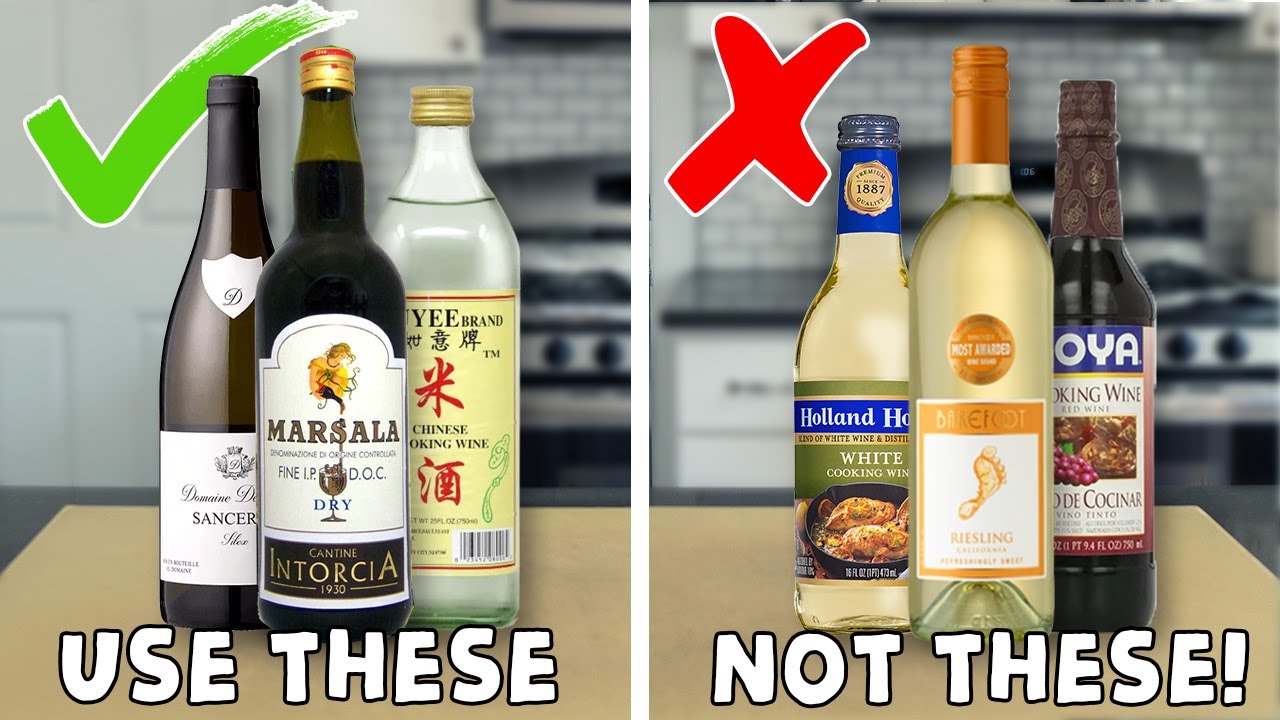
5. Cooking Wine
While not a traditional wine, cooking wine can be a practical choice for everyday meals. It’s specifically made for culinary use and often has added salt, which can enhance flavors in stews and sauces. Though it may not be suitable for drinking, cooking wine provides a convenient and budget-friendly option for those looking to add a splash of white wine to their recipes without worrying about the quality of drinking wine.
Incorporating these cheap white wines into your cooking routine can significantly enhance your culinary creations while keeping your budget in check. Each option brings unique flavors and versatility to your kitchen, making them must-haves for any home chef.
How to Select the Right White Wine for Your Recipes
When it comes to cooking with white wine, choosing the right type can elevate your dishes and enhance flavors. The first step in selecting the perfect white wine is to consider the flavor profile of your recipe. Different wines bring unique tastes, which can complement or contrast with the ingredients you are using. For example, a crisp Sauvignon Blanc works well with seafood and salads, while a rich Chardonnay can enhance creamy sauces and poultry dishes.
Consider the acidity of the wine as well. Wines with higher acidity, such as Pinot Grigio or Riesling, are ideal for dishes that are rich or fatty, as they can cut through the heaviness and provide balance. Conversely, a low-acid wine like Viognier pairs beautifully with spiced or savory dishes, offering a smooth mouthfeel that harmonizes with the flavors.
When selecting a wine, it’s also essential to keep in mind the cooking method. If youre roasting or grilling, opt for a fuller-bodied wine that can withstand the heat, such as an oaked Chardonnay. For poaching or simmering, a lighter-bodied wine is preferable. This will ensure that the wine’s flavors remain vibrant and do not get lost during the cooking process.
Lastly, dont hesitate to taste the wine before cooking. The wine you use should be something you enjoy drinking, as its flavors will concentrate during cooking. Remember: if you wouldnt drink it, dont cook with it! This approach not only helps you choose the right wine but also ensures a delicious outcome in your culinary creations.
Cooking Tips: Using White Wine to Enhance Flavor
When it comes to elevating the taste of your dishes, white wine is a versatile ingredient that can add depth and complexity to a variety of recipes. Whether youre making a creamy risotto, sautéing vegetables, or preparing a seafood dish, incorporating white wine can enhance the overall flavor profile. The key is to choose the right type of white wine that complements your dish, ensuring a harmonious balance of flavors.
Choosing the Right White Wine: Selecting the appropriate white wine is crucial for achieving the desired flavor. Here are a few options based on common cooking needs:
- Sauvignon Blanc: Known for its crisp acidity and citrus notes, its perfect for enhancing seafood dishes and light sauces.
- Chardonnay: A full-bodied option that works well in creamy dishes and poultry recipes, adding richness and depth.
- Pinot Grigio: This light and refreshing wine is ideal for deglazing pans after sautéing vegetables or meats, providing a bright finish.
When using white wine in cooking, timing is essential. For dishes that require simmering, adding white wine early in the cooking process allows the alcohol to evaporate, leaving behind the nuanced flavors. In contrast, for sauces and reductions, adding white wine towards the end can create a vibrant and fresh taste. Remember to let the wine reduce adequately to concentrate its flavors, which can significantly enhance your dish.
Lastly, don’t shy away from experimenting with white wine in unexpected ways. Try adding a splash of wine to your marinades, or use it in braising liquids for meats. The acidity in white wine can also help tenderize proteins while infusing them with flavor. With these tips, you can confidently incorporate white wine into your cooking, transforming ordinary meals into extraordinary culinary experiences.
Frequently Asked Questions About Cooking with White Wine
What types of white wine are best for cooking?
When it comes to cooking with white wine, the type you choose can significantly impact the flavor of your dish. Generally, it’s best to select a dry white wine, as sweet varieties can alter the intended taste of your meal. Here are some popular choices for cooking:
- Sauvignon Blanc: Known for its crisp acidity and herbal notes, it pairs well with seafood and chicken.
- Chardonnay: A versatile option that works well in creamy sauces and risottos.
- Pinot Grigio: Light and refreshing, this wine complements light pasta dishes and vegetable-based recipes.
- Dry Vermouth: A fortified wine that adds complexity to sauces and marinades.
Can I use cooking wine instead of regular white wine?
While cooking wine is readily available and often less expensive, it typically contains added salt and preservatives, which can negatively affect the flavor of your dish. It’s generally recommended to use regular white wine that you would also enjoy drinking. If you’re on a budget, opt for a reasonably priced bottle rather than a labeled cooking wine for better flavor and quality.
How does cooking with white wine enhance flavor?
Cooking with white wine can elevate the flavors of your dishes in several ways. The acidity in white wine helps to tenderize proteins and balance rich flavors, making it a great addition to sauces and marinades. As the wine simmers, the alcohol evaporates, leaving behind a concentrated essence that enhances the overall taste profile. Additionally, white wine can deglaze pans, lifting browned bits of food and incorporating them into your sauce for added depth and richness.
How much white wine should I use in my recipes?
The amount of white wine to use in your cooking largely depends on the recipe and personal taste preferences. As a general guideline, ¼ to ½ cup is often sufficient for deglazing pans or enriching sauces. For braising or simmering, you might use up to 1 cup. It’s essential to remember that the goal is to complement the dish, so start with less and adjust according to your taste as the dish cooks.
See all our content in the Sitemaps or in our Vip Cheers Webmaps!
You read complete Best Cheap White Wine for Cooking: Top Picks Under $10 See more about liqueurs here Wine.
Leave a Reply