
How to Open a Wax Wine Bottle: Step-by-Step Guide
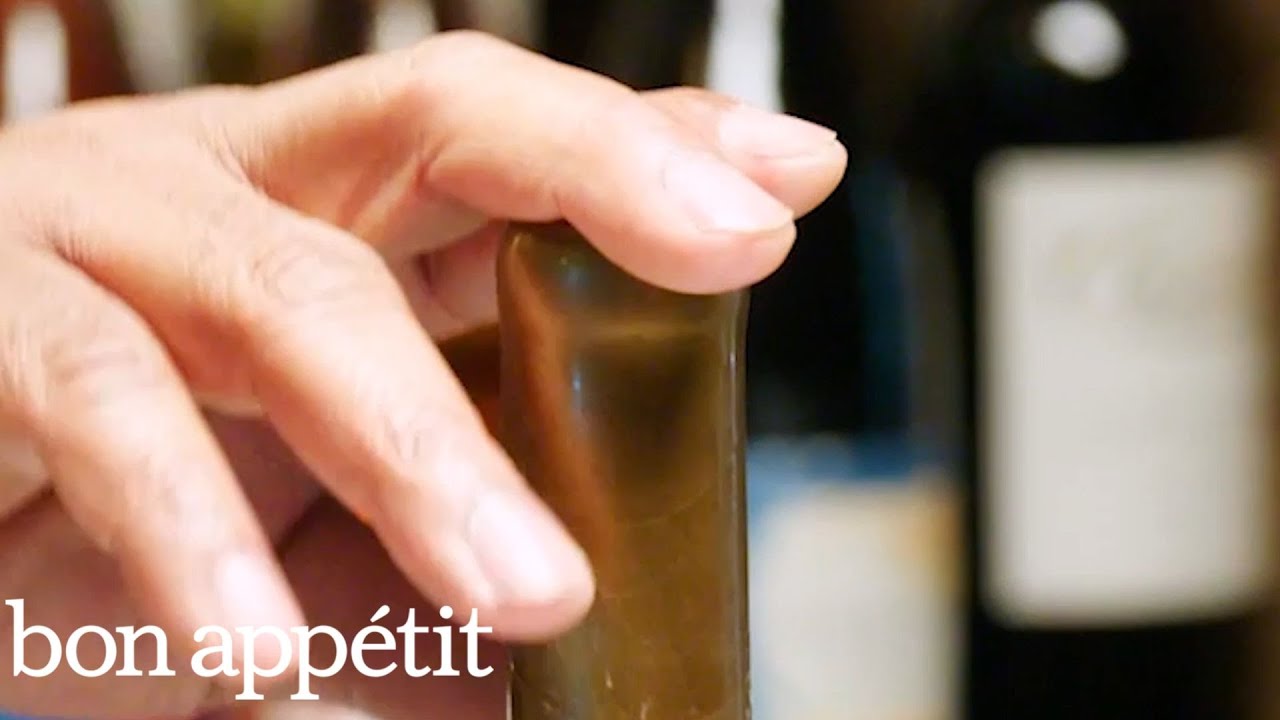
Understanding Wax Seals on Wine Bottles
Wax seals on wine bottles are not just decorative; they serve several important functions that enhance the wine-drinking experience. Traditionally used to seal bottles, these wax coverings provide a barrier against air and contaminants, which can compromise the quality of the wine. The use of wax seals can be traced back centuries, originating in Europe when winemakers sought to ensure the integrity of their products during transport and storage.
Benefits of Wax Seals
1. Preservation: Wax seals help to maintain the wines flavor and aroma by minimizing exposure to air. This is crucial for wines that are meant to be aged, as oxidation can alter their characteristics.
2. Protection: They provide an additional layer of protection against external elements, such as dust and insects, which could otherwise contaminate the wine.
3. Aesthetic Appeal: The visual allure of wax seals adds a touch of elegance and sophistication to wine bottles. Many producers use unique colors and designs to distinguish their brand and attract consumers.
In addition to their practical benefits, wax seals also play a role in the wines storytelling. Each seal can represent the vineyards heritage, craftsmanship, or even a specific vintage, making the bottle a piece of art in its own right. This connection between the wine and its seal can enhance the overall experience for collectors and enthusiasts alike, providing insight into the winemakers philosophy and dedication to quality.
While some wine drinkers may find wax seals cumbersome to open, they often appreciate the ritual of breaking the seal, which adds to the anticipation of tasting the wine. With the growing popularity of artisan and boutique wines, the use of wax seals has become more prevalent, reflecting a trend towards traditional winemaking methods and a commitment to quality.
Essential Tools for Opening a Wax Wine Bottle
Opening a wax-sealed wine bottle can be a unique experience, and having the right tools is crucial for preserving the integrity of the wine and ensuring a smooth opening process. Unlike traditional corks, wax seals require a specific approach, and using the appropriate tools can make all the difference.
1. Wax Cutter or Knife
A dedicated wax cutter or a sharp knife is essential for removing the wax seal. Look for a tool with a straight edge or a curved blade that can easily slice through the wax without damaging the cork beneath. When using a knife, be sure to make a clean cut around the neck of the bottle to prevent any wax debris from falling into the wine.
2. Corkscrew
Once the wax has been removed, a reliable corkscrew is necessary to extract the cork. A waiters corkscrew is often recommended due to its versatility and ease of use. Opt for one with a sturdy spiral and a lever to help pull the cork out smoothly. If the cork is particularly old or fragile, consider using a two-prong cork puller to minimize the risk of breaking the cork during extraction.
3. Wine Bottle Stand or Holder
To ensure safety while opening the bottle, a wine bottle stand or holder can be incredibly helpful. This tool stabilizes the bottle and allows you to use both hands effectively while cutting the wax and removing the cork. Look for a stand that securely grips the bottle without scratching the surface.
4. Cloth or Towel
Having a cloth or towel on hand is practical for several reasons. It can be used to wipe away any excess wax after cutting, preventing mess and ensuring a clean pour. Additionally, a towel can help grip the bottle and provide extra traction when twisting the cork out, especially if it’s a bit stubborn.
By equipping yourself with these essential tools, you can confidently tackle the process of opening a wax wine bottle, ensuring a delightful experience from start to finish.
Step-by-Step Guide: How to Open a Wax Wine Bottle Safely
Opening a wax-sealed wine bottle requires a careful approach to avoid damaging the bottle or its contents. Wax seals are often used to enhance the aesthetic appeal and preserve the wine, but they can pose a challenge during the opening process. Follow this step-by-step guide to safely open a wax wine bottle without any hassle.
Step 1: Gather Your Tools
Before you begin, make sure you have the following tools on hand:
- A foil cutter or knife - for cutting the wax seal
- A corkscrew - preferably a waiters corkscrew for better leverage
- A towel - to hold the bottle steady and catch any wax pieces
Step 2: Inspect the Wax Seal
Carefully examine the wax seal on the bottle. Look for any signs of cracks or weaknesses in the wax, which can indicate a better starting point for your cut. If the wax appears thick, you may need to apply a little extra pressure when cutting.
Step 3: Cut the Wax Seal
Using your foil cutter or knife, gently score the wax seal around the neck of the bottle. Aim to create a clean line that encircles the bottle, being careful not to cut too deep to avoid damaging the cork underneath. Once you’ve scored the wax, you can gently peel it away or break it off in pieces.
Step 4: Open the Bottle
With the wax seal removed, its time to extract the cork. Insert your corkscrew into the center of the cork, twisting it in until the spiral is fully embedded. Slowly and steadily pull the cork out of the bottle, ensuring a smooth removal to prevent any cork debris from falling into the wine. If you encounter resistance, gently twist the cork back and forth to loosen it before continuing to pull.
By following these steps, you can confidently open a wax wine bottle while preserving the integrity of both the bottle and the wine inside.
Common Mistakes to Avoid When Opening Wax Sealed Wine
When it comes to enjoying a bottle of wax sealed wine, many enthusiasts may overlook the nuances of properly opening it. One of the most common mistakes is using the wrong tools. Traditional corkscrews may not be effective on wax seals, which can lead to frustration and potential spoilage of the wine. Instead, consider using a heated knife or a specialized wax cutter to remove the seal cleanly. This ensures that the wine is not contaminated and that the experience remains enjoyable.
Another frequent oversight is failing to assess the wax seal before attempting to open the bottle. Inspect the seal for cracks or damage, as this can indicate potential issues with the wine inside. If the wax appears brittle or compromised, it may be wise to exercise caution, as the integrity of the seal is crucial for maintaining the wines quality. Additionally, take a moment to understand the aging potential of the wine; some bottles may require decanting or breathing time after being opened, and rushing the process can detract from the tasting experience.
Moreover, a common mistake involves overlooking the importance of proper storage conditions before opening a wax sealed wine. Temperature fluctuations can cause the wax to expand and contract, potentially allowing air to seep in and spoil the wine. Always store your wax sealed bottles in a consistent, cool environment to preserve their quality. When its time to open the bottle, make sure to handle it gently, avoiding any sudden movements that could disturb the sediment and cloud the wine.
Lastly, many wine enthusiasts underestimate the significance of presentation. When serving wax sealed wine, it’s essential to present it properly, as the wax seal often adds an element of sophistication. Using a clean, elegant wine opener or serving tool can enhance the overall experience. Remember to pour the wine gently to avoid disturbing any sediment that may have settled at the bottom of the bottle. By avoiding these common mistakes, you can ensure a more enjoyable and memorable wine experience.
Best Practices for Enjoying Your Wine After Removing the Wax Seal
When it comes to enjoying a bottle of wine that has been sealed with wax, there are several best practices to ensure you savor every drop. The removal of the wax seal is the first step, and doing it properly can enhance your overall experience. Start by using a sharp knife or a dedicated wax cutter to gently score the wax around the neck of the bottle. This minimizes the risk of breaking the cork and allows for a cleaner opening.
Once the wax has been removed, its crucial to inspect the cork for any signs of damage or spoilage. If the cork appears to be intact and free from mold or leakage, you can proceed to open the bottle. However, if you notice any issues, it may be best to reconsider your decision to enjoy that particular wine. Proper storage prior to opening can also make a significant difference; keep your wine bottles in a cool, dark place to maintain optimal temperature and humidity levels.
After successfully opening the wine, consider decanting it to enhance its flavors and aromas. Decanting allows the wine to breathe, which can be particularly beneficial for older vintages or wines that have been sealed for an extended period. Pour the wine slowly into a decanter, ensuring that any sediment remains in the bottle. This practice not only elevates the tasting experience but also adds a touch of elegance to your wine service.
Finally, serve your wine at the appropriate temperature to fully appreciate its characteristics. Red wines generally benefit from being slightly cooler than room temperature, while white wines should be chilled. Using a thermometer can help you achieve the perfect serving temperature. Always remember to enjoy your wine responsibly, taking the time to savor the unique flavors and aromas that each bottle has to offer.
See all our content in the Sitemaps or in our Vip Cheers Webmaps!
You read complete How to Open a Wax Wine Bottle: Step-by-Step Guide See more about liqueurs here Wine.
Leave a Reply