
What Type of Wine is Produced in Burgundy, France?
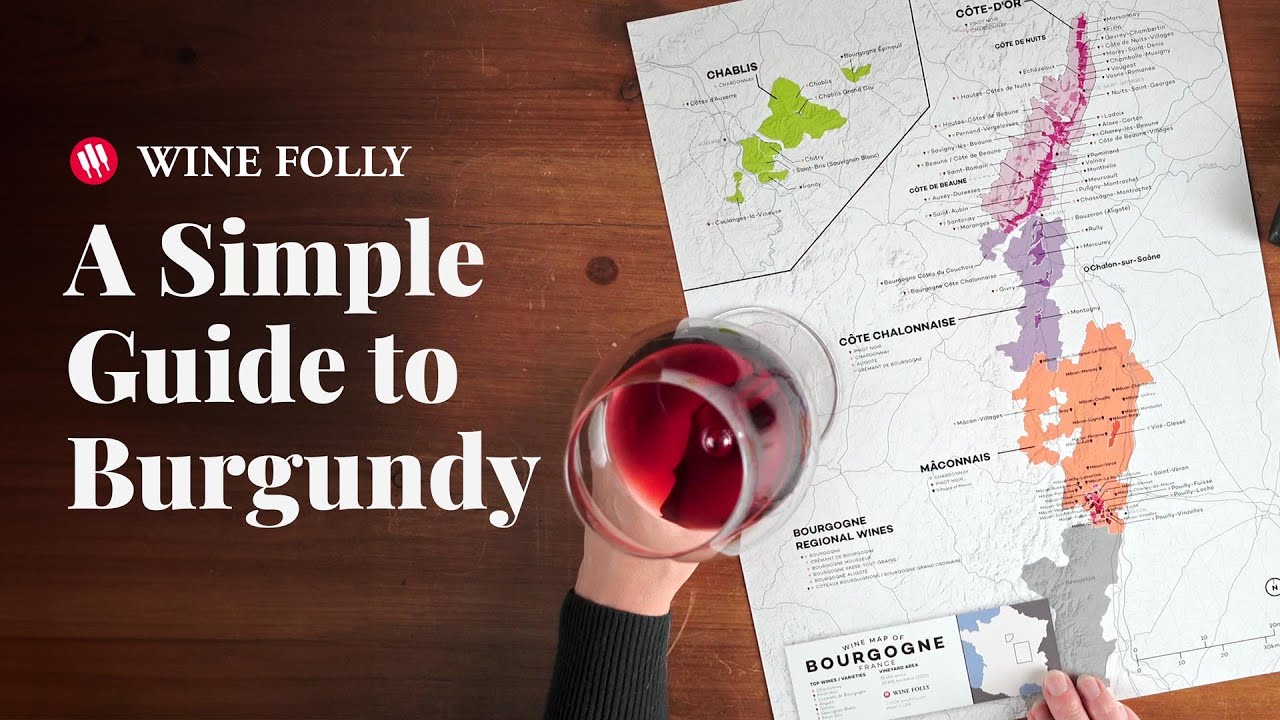
Understanding Burgundy: The Heart of French Wine Production
Burgundy, located in the eastern part of France, is often regarded as the epicenter of French wine production. This historic region is renowned for its exceptional terroir, which is the unique combination of climate, soil, and grape varieties that contribute to the distinctive flavors of its wines. Burgundy’s vineyards, some of the oldest in the world, have been cultivated for centuries, making it a vital area for both winemaking heritage and innovation.
The Terroir of Burgundy
The complexity of Burgundys terroir is a major factor in the quality of its wines. The region is characterized by a diverse array of soils, ranging from clay and limestone to marl, each influencing the growth of grape varieties. The primary grapes grown here are:
- Pinot Noir - Renowned for producing some of the finest red wines in the world.
- Chardonnay - Celebrated for its versatility, ranging from crisp and mineral-driven to rich and buttery.
These grape varieties thrive in Burgundy’s continental climate, which features warm summers and cold winters, creating the perfect conditions for the development of complex flavors in the grapes.
The Classification System
Burgundys wine classification system is one of the most intricate in the world, reflecting the regions commitment to quality and tradition. The wines are categorized into several tiers, including:
- Grand Cru - The highest classification, representing the finest vineyards and wines.
- Premier Cru - Exceptional quality wines from specific vineyard sites.
- Village Wines - Wines produced from grapes grown in a specific village, offering a taste of the local terroir.
- Regional Wines - The most general classification, showcasing the broader characteristics of the Burgundy region.
This classification not only guides consumers in their choices but also highlights the deep-rooted connection between Burgundy’s geography and its wines.
The Cultural Significance of Burgundy
Beyond its wines, Burgundy is steeped in a rich cultural heritage that plays a significant role in its identity. The region is home to historic châteaux, charming villages, and culinary traditions that enhance the wine experience. Local gastronomy, featuring dishes such as coq au vin and boeuf bourguignon, pairs beautifully with Burgundy’s wines, creating a harmonious balance of flavors that showcases the regions culinary prowess.
Burgundy is not just a destination for wine lovers; it is a vibrant cultural hub where the art of winemaking is celebrated and preserved. The passion of local winemakers, combined with the region’s unique characteristics, makes Burgundy a fundamental part of the French wine landscape.
Key Grape Varieties: What Types of Wine Are Made in Burgundy?
Burgundy, a renowned wine region in eastern France, is celebrated for its exceptional wines that primarily stem from two key grape varieties: Pinot Noir and Chardonnay. These grapes thrive in the regions unique terroir, which is characterized by a diverse range of soils, microclimates, and topographies. This diversity not only contributes to the distinct flavor profiles of Burgundy wines but also plays a significant role in the classification and prestige of the various appellations within the region.
Pinot Noir: The Heart of Red Burgundy
Pinot Noir is the predominant grape variety used in Burgundys red wines, accounting for nearly 30% of the regions vineyard plantings. This thin-skinned grape is known for producing wines with a rich bouquet of red fruits, such as cherry and raspberry, along with earthy undertones and floral notes. The complexity of Pinot Noir allows for a wide range of styles, from light and fruity to more robust and age-worthy expressions. Notable appellations for Pinot Noir include Côte de Nuits, where some of the most prestigious Grand Cru wines, like Romanée-Conti, are crafted.
Chardonnay: The Jewel of White Burgundy
On the white wine side, Chardonnay reigns supreme in Burgundy, representing approximately 50% of the regions vineyard area. This versatile grape is renowned for its ability to reflect the terroir, producing wines that can range from crisp and mineral-driven to rich and buttery, depending on the winemaking techniques employed. The famous Côte de Beaune is home to some of the worlds most celebrated Chardonnay wines, including those from the Grand Cru vineyards of Montrachet and Batard-Montrachet. The balance of acidity and fruit in Burgundy Chardonnay makes it a favorite among wine enthusiasts.
Other Notable Grape Varieties
While Pinot Noir and Chardonnay dominate, Burgundy is also home to a few other grape varieties that contribute to its diverse wine landscape. These include:
- Gamay: Predominantly found in the Beaujolais region, Gamay produces light, fruity red wines that are enjoyed young.
- Aligoté: This lesser-known white grape offers a refreshing, crisp alternative to Chardonnay and is often used in the production of Bourgogne Aligoté wines.
- Sauvignon Blanc: While not widely planted, this grape can be found in some areas of Burgundy, adding to the regions white wine offerings.
Understanding these key grape varieties is essential for appreciating the rich tapestry of wines that Burgundy has to offer, each reflecting the unique characteristics of its terroir and winemaking traditions.
The Unique Terroir of Burgundy: How Geography Influences Wine Types
Burgundy, a renowned wine region in France, is celebrated not only for its exquisite wines but also for its distinctive terroir. The term "terroir" encompasses the interplay of soil, climate, and topography that gives each wine its unique character. In Burgundy, the diverse geographical features play a pivotal role in determining the types of grapes grown and the flavors imparted to the wines.
Soil Composition
The soil in Burgundy is incredibly varied, ranging from clay-limestone to marl, each contributing differently to the grapes development. Key soil types include:
- Clay-Limestone: Predominant in the Côte dOr, this soil is rich in nutrients and ideal for producing high-quality Pinot Noir and Chardonnay.
- Marl: Found in the Côte Chalonnaise, marl offers excellent drainage and is known for producing vibrant, aromatic wines.
- Gravel and Sand: Present in certain vineyards, these soils allow for quick drainage and are often associated with lighter-bodied wines.
Microclimates and Elevation
The geography of Burgundy creates a range of microclimates that significantly influence grape ripening. Variations in elevation, exposure to sunlight, and proximity to water bodies contribute to these microclimates. For example, vineyards located on south-facing slopes receive more sunlight, which is crucial for the ripening of grapes, while those in cooler, shaded areas may yield wines with higher acidity and fresher flavors. This diversity allows winemakers to craft a wide array of wine styles, from robust reds to crisp whites.
Impact of Climate
The climate in Burgundy is characterized by its continental conditions, featuring cold winters and warm summers. This climatic variability impacts the growing season and the phenolic maturity of the grapes. The region has experienced fluctuations in climate patterns, which can affect vintage quality. Warmer temperatures may lead to more concentrated flavors, while cooler years often produce wines with higher acidity and freshness. The balance of these climatic factors is essential for winemakers to achieve their desired style and complexity in the final product.
In summary, the unique terroir of Burgundy—comprising its diverse soils, microclimates, and climatic conditions—plays a fundamental role in shaping the regions wines, making them some of the most sought-after in the world.
Exploring the Different Wine Regions Within Burgundy
Burgundy, known as Bourgogne in French, is a prestigious wine-producing region in eastern France, celebrated for its exceptional Pinot Noir and Chardonnay wines. The region is divided into several distinct wine sub-regions, each offering unique terroirs, grape varieties, and winemaking traditions. Understanding these regions is essential for any wine enthusiast seeking to appreciate the diversity of Burgundys offerings.
Côte dOr
The Côte dOr, or "Golden Slope," is the heart of Burgundys wine production and is split into two main parts: Côte de Nuits and Côte de Beaune.
- Côte de Nuits: Renowned for its rich and complex red wines made primarily from Pinot Noir, this area is home to famous villages such as Gevrey-Chambertin and Vosne-Romanée.
- Côte de Beaune: While also producing excellent reds, Côte de Beaune is particularly famous for its white wines, with the village of Meursault being a standout for its creamy Chardonnays.
Côte Chalonnaise
Just south of Côte dOr lies the Côte Chalonnaise, a lesser-known but equally remarkable region. This area produces a variety of wines, including both red and white, and is celebrated for its affordability compared to its northern counterparts. Key villages in this region include Mercurey, known for its robust reds, and Rully, which produces both red and sparkling wines.
Mâconnais
Further south, the Mâconnais region is distinguished by its predominantly white wine production, showcasing the versatility of Chardonnay. The village of Pouilly-Fuissé is particularly notable, where the wines are characterized by their freshness and minerality. The Mâconnais is also home to charming, smaller appellations that offer great value and quality.
In addition to these main regions, Burgundy is dotted with various appellations, each contributing to the rich tapestry of flavors and styles that define this remarkable wine-producing area. Whether exploring the famous Grand Cru vineyards or the hidden gems of the lesser-known regions, Burgundy offers a wine experience that is both diverse and deeply rooted in tradition.
Food Pairings: Best Dishes to Enjoy with Burgundy Wines
Burgundy wines, renowned for their complexity and depth, are incredibly versatile when it comes to food pairings. The regions Pinot Noir and Chardonnay varieties can elevate a wide array of dishes, enhancing flavors and creating a memorable dining experience. Here are some of the best dishes to enjoy with these exquisite wines.
Classic Pairings for Burgundy Reds
When it comes to red Burgundy, the elegance of Pinot Noir complements a variety of dishes. Here are some classic pairings:
- Roasted Duck: The rich, gamey flavors of roasted duck harmonize beautifully with the earthy notes of a Pinot Noir.
- Beef Bourguignon: This traditional French dish, made with tender beef braised in Burgundy wine, is a match made in heaven.
- Mushroom Risotto: The umami flavors of mushrooms paired with creamy risotto bring out the fruitiness of the wine.
Perfect Matches for Burgundy Whites
Burgundys Chardonnay is equally impressive, offering a range of flavors from buttery to minerally. For the best experience, consider these pairings:
- Grilled Lobster: The sweetness of grilled lobster enhances the wines richness, making for a luxurious pairing.
- Coq au Vin Blanc: This chicken dish, cooked in white wine, complements the Chardonnay’s acidity and floral notes.
- Cheese Platter: A selection of creamy cheeses, such as Brie or Camembert, pairs wonderfully with the smooth texture of Burgundy whites.
Incorporating these dishes into your next meal can transform a simple dining experience into a culinary adventure. The key is to balance the wines acidity and flavors with the richness and texture of the food, allowing both to shine in their own right.
See all our content in the Sitemaps or in our Vip Cheers Webmaps!
You read complete What Type of Wine is Produced in Burgundy, France? See more about liqueurs here Wine.
Leave a Reply