
How Many Beers Are in a Bottle of Wine? Find Out Here!
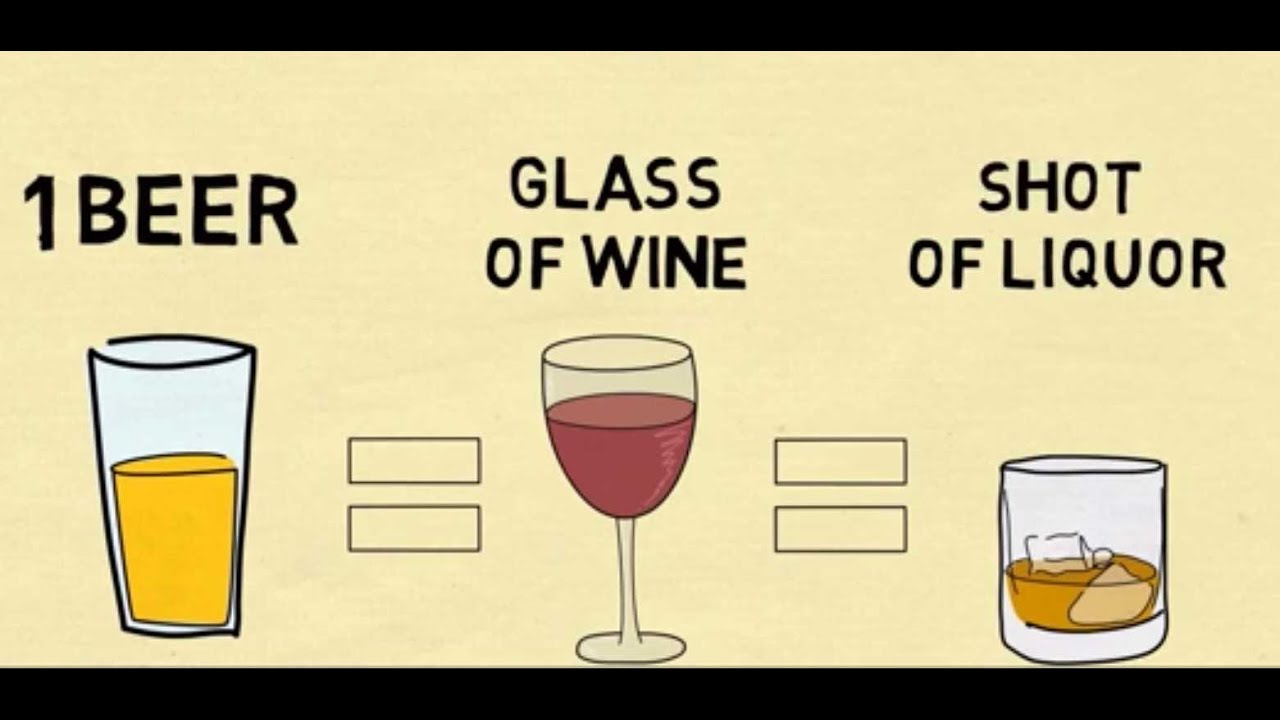
Understanding the Alcohol Content: Beers vs. Wine
When it comes to comparing the alcohol content in beers and wines, its essential to understand the fundamental differences in their production processes and how these affect their alcohol by volume (ABV) levels. Generally, beer has a lower alcohol content, typically ranging from 4% to 6% ABV, while wines usually have a higher ABV, generally falling between 9% and 16%. This distinction is crucial for consumers who are mindful of their alcohol intake or those pairing beverages with meals.
Alcohol Content in Beer
Beer is brewed through the fermentation of grains, primarily barley, and is often carbonated. The fermentation process for beer typically results in a lower alcohol concentration due to the limited sugars available from the grains. The majority of beers fall within the 4% to 6% range, with lighter beers like lagers and pilsners often at the lower end and stronger varieties, such as IPAs and stouts, reaching up to 8% to 12% ABV. Some craft beers and specialty brews can even exceed 12%, but these are less common.
Alcohol Content in Wine
In contrast, wine is produced from fermented grapes or other fruits, which contain a higher concentration of sugars. This sugar content allows for a more significant conversion into alcohol during fermentation, resulting in a higher ABV. Most table wines hover around 12% to 14%, with sweeter wines and dessert wines sometimes exceeding 15% or even 16%. The type of grape, fermentation process, and aging methods can all influence the final alcohol content in wine.
Comparative Overview
To summarize the differences in alcohol content between beers and wines, consider the following points:
- Beer: Typically 4% to 6% ABV, with stronger variants reaching 8% to 12%.
- Wine: Generally 9% to 16% ABV, with most wines falling between 12% to 14%.
- Production: Beer is brewed from grains, while wine is fermented from fruits.
Understanding these differences can help consumers make informed choices about their beverage selections, whether they are enjoying a casual night out or hosting a formal dinner.
How Many Standard Drinks Are in a Bottle of Wine?
When it comes to understanding alcohol consumption, knowing how many standard drinks are in a bottle of wine is crucial for responsible drinking. A standard drink is typically defined as containing about 10 grams of pure alcohol, but this can vary depending on the country. In many places, a standard bottle of wine contains 750 milliliters (ml) of liquid, which translates to approximately 5 glasses of wine.
To calculate the number of standard drinks in a bottle of wine, you first need to consider the alcohol by volume (ABV) percentage of the wine. Most wines have an ABV ranging from 12% to 15%. Here’s a quick breakdown of how to determine the number of standard drinks in a typical bottle:
- 12% ABV wine: Approximately 6.3 standard drinks
- 13% ABV wine: Approximately 6.8 standard drinks
- 14% ABV wine: Approximately 7.4 standard drinks
- 15% ABV wine: Approximately 7.9 standard drinks
To perform the calculation, you can use the formula: (ABV percentage x volume in ml) ÷ 1000. For instance, if you have a bottle of wine with a 13% ABV, the calculation would be (13 x 750) ÷ 1000, resulting in approximately 9.75 ounces of pure alcohol. Since a standard drink is about 0.6 ounces of pure alcohol, dividing 9.75 by 0.6 gives you roughly 16.25 standard drinks.
It’s essential to remember that while wine can be enjoyed responsibly, understanding the standard drink measurement can help individuals make informed choices about their alcohol consumption. Whether you’re hosting a dinner party or enjoying a quiet evening at home, knowing how many standard drinks are in a bottle of wine allows for better moderation and enjoyment.
The Conversion: Wine to Beer - What You Need to Know
Converting wine into beer may seem unconventional, but its an intriguing process that combines the artistry of winemaking with the craft of brewing. Understanding the fundamental differences between these two beverages is essential before embarking on this conversion journey. Wine is primarily made from fermented grapes, while beer is crafted from malted grains, hops, and water. This distinction forms the basis for the conversion process, which requires a few key considerations.
Key Considerations for Conversion:
- Ingredients: The primary ingredients in wine (grapes) differ significantly from those in beer (grains). To create a beer-like beverage from wine, you may need to incorporate malted barley or other grains.
- Fermentation Process: The fermentation methods for wine and beer vary. Wine typically undergoes a longer fermentation period, while beer fermentation is usually quicker. Understanding these timelines is crucial for a successful conversion.
- Flavor Profiles: Wine and beer have distinct flavor profiles. When converting wine to beer, consider how to balance the fruity notes of the wine with the bitterness of hops and the maltiness of the grains.
The conversion process can also involve experimentation with various yeast strains. Different yeast types can impart unique flavors and aromas, which can significantly affect the final product. For example, using a wine yeast might retain some of the wines characteristics, while a traditional beer yeast could lead to a more classic beer flavor profile. Additionally, the temperature at which fermentation occurs can influence the taste and quality of the final beverage.
Finally, be prepared for the challenges that may arise during the conversion process. Each batch can yield different results, and achieving the desired balance of flavors may require multiple attempts. Its essential to document your methods and adjustments to refine your technique over time. Whether youre a seasoned winemaker or a passionate homebrewer, the conversion from wine to beer can be a rewarding exploration of flavors and techniques.
Factors Influencing Alcohol Content in Wine and Beer
The alcohol content in wine and beer is primarily determined by the fermentation process, but several factors contribute to the final alcohol levels in these beverages. Understanding these factors can provide insights into the brewing and winemaking processes, ultimately enhancing the appreciation of these drinks.
1. Sugar Content
One of the most significant factors influencing alcohol content is the initial sugar content present in the raw ingredients. In wine, sugars are derived from the grapes, while in beer, they come from malted grains. The higher the sugar content at the start of fermentation, the more alcohol can be produced, as yeast converts sugar into alcohol and carbon dioxide. For instance, a grape variety with higher natural sugars will typically yield a wine with a higher alcohol percentage. Similarly, a beer brewed with a higher malt content can result in a stronger brew.
2. Yeast Strain
The type of yeast used during fermentation also plays a critical role in determining alcohol levels. Different yeast strains have varying alcohol tolerances and fermentation efficiencies. Some yeast can ferment sugars into alcohol more effectively, leading to higher alcohol content in the final product. For example, wine yeast strains are often selected for their ability to withstand higher alcohol levels, while certain beer yeasts may be chosen for their flavor contributions rather than their alcohol-producing capabilities.
3. Fermentation Conditions
Fermentation conditions, including temperature and duration, can also affect alcohol content. Warmer fermentation temperatures can speed up the fermentation process, potentially leading to higher alcohol production. Conversely, cooler temperatures may slow down fermentation, resulting in lower alcohol levels. Additionally, the length of fermentation can impact the final alcohol content; a longer fermentation period allows yeast to convert more sugars into alcohol.
4. Dilution and Blending
Finally, the practices of dilution and blending can influence the alcohol content in both wine and beer. In winemaking, some producers may blend wines of varying alcohol levels to achieve a desired taste and strength. Similarly, brewers might dilute their beer with water to adjust the alcohol content or blend different batches to create a balanced flavor profile. These techniques are commonly employed to achieve consistency in products and meet consumer preferences.
Practical Implications: Choosing Between Beer and Wine for Your Event
When planning an event, the choice between beer and wine can significantly influence the atmosphere and guest experience. Each beverage has its own unique appeal, and understanding the practical implications of your choice is essential for a successful gathering.
Understanding Your Audience
Before making a decision, consider the preferences of your attendees. Conducting a quick survey or informal poll can provide insights into whether your guests lean more towards beer or wine. Here are some factors to keep in mind:
- Demographics: Age, culture, and regional preferences can affect beverage choices.
- Event Type: Formal events may call for wine, while casual gatherings might be better suited for beer.
- Food Pairing: Certain dishes pair better with specific drinks, enhancing the overall dining experience.
Cost Considerations
Budget is a crucial aspect of event planning. Typically, beer is more affordable than wine, especially when purchasing in bulk. However, the price can vary widely based on the brands and types you choose. Consider the following:
- Beer: Offers a range of price points, from craft options to budget-friendly brands.
- Wine: Can be more expensive, especially for quality selections, but may also offer better perceived value at upscale events.
Ultimately, balancing quality with cost will help you create a memorable experience without overspending.
Logistical Considerations
The logistics of serving beer versus wine can also impact your decision. Beer typically requires less specialized glassware and can be served in a variety of formats, such as bottles, cans, or kegs. Wine, on the other hand, often necessitates specific glasses and may require additional serving staff to manage proper pouring techniques. Consider the following logistical factors:
- Setup: Beer can be easier to set up with self-serve stations, while wine may require more careful presentation.
- Storage: Ensure you have the proper refrigeration for both beverages, especially for white wine and certain craft beers.
- Cleanup: Consider the ease of cleanup for each option, as glassware may require more attention than cans or bottles.
Making an informed choice between beer and wine involves weighing audience preferences, budgetary constraints, and logistical needs to create a cohesive and enjoyable event experience.
See all our content in the Sitemaps or in our Vip Cheers Webmaps!
You read complete How Many Beers Are in a Bottle of Wine? Find Out Here! See more about liqueurs here Wine.
Leave a Reply