
Best Red Wine for Cooking Beef: Top Picks & Tips
Why Choosing the Right Red Wine is Essential for Cooking Beef
When it comes to cooking beef, the choice of red wine can significantly influence the flavor profile of your dish. The right wine enhances the natural richness of the meat, adding depth and complexity that elevate your culinary creations. Different types of red wine contribute unique characteristics, making it crucial to select one that complements the specific cut of beef and the cooking method you intend to use.
Flavor Compatibility: The tannins in red wine interact beautifully with the protein in beef, creating a harmonious balance. For instance, a bold Cabernet Sauvignon pairs excellently with hearty cuts like ribeye or sirloin, while a lighter Pinot Noir can enhance the flavors of leaner cuts like filet mignon. Understanding the flavor compatibility between the wine and the beef not only improves the dish but also ensures a delightful dining experience.
Cooking Techniques: The cooking method also plays a vital role in wine selection. For braised dishes, where beef is slow-cooked in liquid, a full-bodied red wine adds richness to the sauce. Conversely, for quick sautéing or grilling, a medium-bodied wine can provide a subtle enhancement without overpowering the dish. Consider the preparation style to choose a wine that will stand up to the cooking process and contribute positively to the overall flavor.
Marinades and Reductions: Incorporating red wine into marinades or reductions is another way to amplify the flavors of beef. A robust wine can tenderize the meat while infusing it with complex notes. When reducing wine to create a sauce, the right choice can make all the difference, turning a simple dish into a gourmet experience. Therefore, understanding the characteristics of various red wines allows home cooks and chefs alike to make informed decisions that lead to exceptional results in beef dishes.
Top 5 Good Red Wines for Cooking Beef Dishes
When it comes to cooking beef dishes, the choice of red wine can significantly enhance the flavors and aromas of your meal. Here are the top five red wines that are not only delicious to drink but also perfect for incorporating into your beef recipes.
1. Cabernet Sauvignon
Cabernet Sauvignon is a classic choice for cooking beef due to its robust flavor profile. This full-bodied wine boasts notes of dark fruit, oak, and spices, which complement the richness of beef. Whether youre braising short ribs or preparing a hearty beef stew, Cabernet Sauvignon adds depth and complexity to your dish.
2. Merlot
Another excellent option is Merlot. Known for its smooth and velvety texture, Merlot has flavors of plum, black cherry, and chocolate. This wine works beautifully in dishes that require a gentle touch, such as beef bourguignon or a savory meat sauce. Its balanced acidity helps tenderize the meat while enriching the overall taste.
3. Syrah/Shiraz
Syrah (or Shiraz, as it’s known in Australia) is a fantastic choice for those looking to add a bit of spice to their beef dishes. With its bold flavors of blackberry, pepper, and smoky undertones, Syrah enhances grilled or roasted beef, making it a perfect companion for barbecue recipes. Its intense flavor profile stands up well to the strong flavors of grilled meats.
4. Zinfandel
For a fruit-forward option, consider Zinfandel. This wine is characterized by its jammy fruit flavors and spicy finish, making it ideal for slow-cooked beef dishes. Zinfandel pairs exceptionally well with dishes that feature barbecue sauce or tomato-based sauces, as it can balance the sweetness and acidity while adding a delightful complexity.
5. Malbec
Finally, Malbec is a popular choice for beef dishes, particularly those with a smoky or charred element. With its rich flavors of dark fruit, chocolate, and a hint of tobacco, Malbec complements grilled steaks and hearty casseroles beautifully. Its smooth tannins and bold character make it an excellent wine for both cooking and pairing with your finished dish.
These red wines not only elevate the taste of your beef dishes but also enhance the overall dining experience. Choosing the right wine can turn a simple meal into a culinary delight.
How to Pair Red Wine with Different Cuts of Beef
When it comes to pairing red wine with beef, the cut of meat plays a crucial role in determining the ideal wine match. Different cuts possess varying levels of fat, tenderness, and flavor intensity, which can enhance or clash with the characteristics of the wine. Here’s a guide to help you navigate the best red wine pairings for various cuts of beef.
1. Ribeye
The ribeye steak, known for its rich marbling and robust flavor, pairs beautifully with full-bodied red wines. Consider serving it with a Cabernet Sauvignon or a Malbec. These wines tannins complement the fat in the ribeye, enhancing the overall taste experience. The fruity notes of these wines also bring out the savory qualities of the meat.
2. Filet Mignon
For a tender cut like filet mignon, a more subtle red wine is ideal. A Pinot Noir is an excellent choice, as its lighter body and lower tannins won’t overpower the delicate flavors of the meat. Alternatively, a Merlot can also work well, offering a smooth and velvety finish that complements the filet’s buttery texture.
3. T-Bone
The T-bone steak, featuring both tenderloin and strip steak, calls for a versatile red wine. A Zinfandel or a Syrah/Shiraz can enhance the meats bold flavors while standing up to the richness of both cuts. These wines typically have a fruity profile with spice notes, making them a fantastic match for the diverse flavor palette of the T-bone.
4. Sirloin
Sirloin, known for its leaner profile, pairs well with medium-bodied reds. A Chianti or a Grenache can be perfect companions, as their acidity and fruitiness balance the meats savory notes without overwhelming them. This pairing creates a harmonious blend that highlights the sirloins natural flavors while adding depth to the meal.
Tips for Cooking with Red Wine: Enhancing Flavor in Beef Recipes
When it comes to cooking with red wine, the right techniques can significantly elevate the flavors of your beef dishes. Whether youre braising, marinating, or making a sauce, the key is to choose a wine that complements the richness of the beef. Opt for full-bodied reds like Cabernet Sauvignon, Merlot, or Syrah, as they provide depth and complexity. Here are some essential tips to help you make the most of red wine in your beef recipes.
Marinating for Maximum Flavor
Marinating beef in red wine not only tenderizes the meat but also infuses it with rich flavors. For an effective marinade, consider the following:
- Combine red wine with aromatics: Garlic, shallots, and herbs such as rosemary or thyme enhance the wines profile.
- Include acid: Adding a splash of vinegar or citrus juice balances the wines tannins and brightens the dish.
- Let it sit: Allow the beef to marinate for at least a few hours, or overnight for more intense flavor.
Deglazing and Saucing
After searing or browning beef, deglazing the pan with red wine can create a rich, flavorful sauce. This process involves scraping up the browned bits left in the pan, known as fond, which adds depth to your dish. Here’s how to do it effectively:
- Use a good quality wine: The wine should be something you would enjoy drinking, as its flavor will concentrate in the sauce.
- Add complementary ingredients: Onions, mushrooms, or beef stock can enhance the sauces richness.
- Reduce properly: Allow the sauce to simmer until it thickens, concentrating the flavors and achieving a velvety texture.
By utilizing these tips, you can create beef dishes that are not only delicious but also have an inviting depth of flavor thanks to the addition of red wine. Whether you are preparing a classic coq au vin or a simple red wine reduction, the right approach will transform your meal into a gourmet experience.
Frequently Asked Questions About Using Red Wine in Beef Cooking
What Type of Red Wine Should I Use for Cooking Beef?
When it comes to cooking beef, choosing the right type of red wine can enhance the dish significantly. Look for full-bodied red wines such as Cabernet Sauvignon, Merlot, or Syrah. These wines not only add depth of flavor but also complement the richness of the beef. Avoid sweet wines, as they can alter the dishs overall flavor profile. A good rule of thumb is to use a wine that you would enjoy drinking, as the flavors will concentrate during the cooking process.
How Does Red Wine Affect the Flavor of Beef?
Red wine adds complexity and depth to beef dishes. The acidity in the wine helps to tenderize the meat while infusing it with rich flavors. When simmered or braised, red wine interacts with the natural juices of the beef, creating a savory sauce that enhances the overall taste. Additionally, the tannins in red wine can break down the proteins in the meat, leading to a more tender texture. This makes red wine an excellent choice for dishes like beef stew or braised short ribs.
Can I Use Cooking Wine Instead of Regular Red Wine?
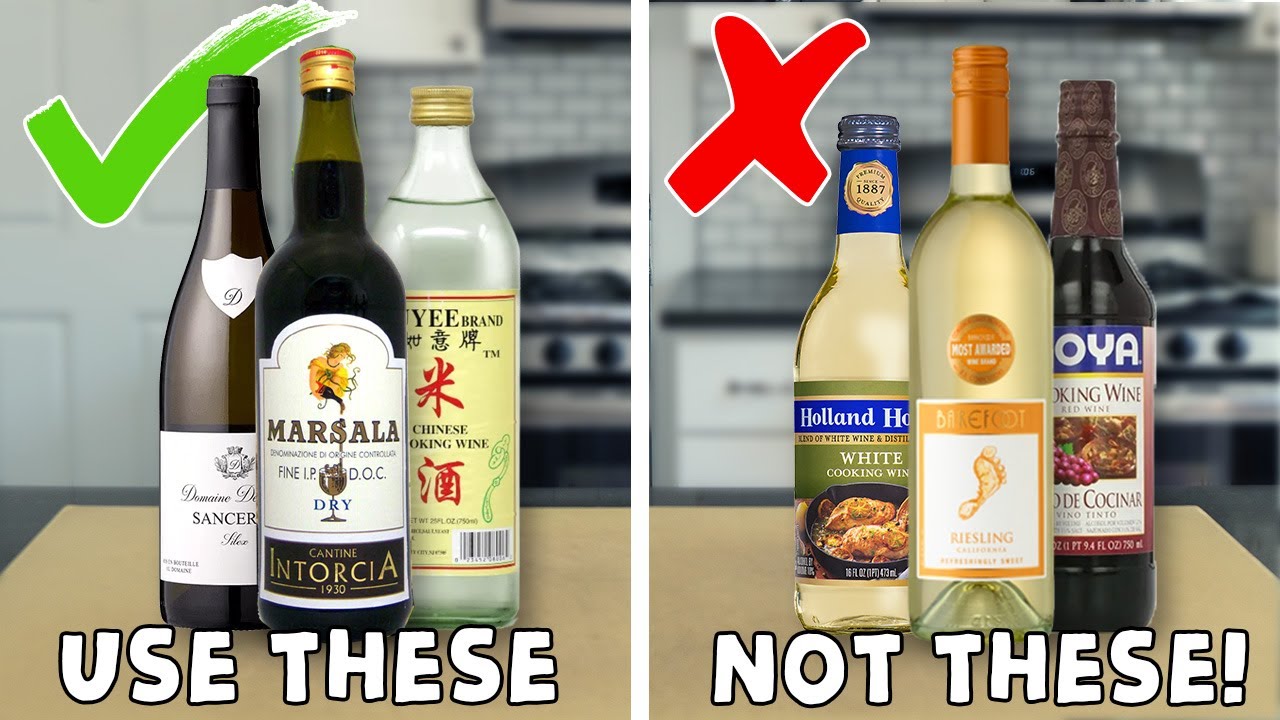
While cooking wine is convenient, it is often of lower quality and contains added salt and preservatives, which can affect the final taste of your dish. For the best results, it’s advisable to use a regular drinking wine. If you choose to use cooking wine, be mindful of the salt content and adjust your seasoning accordingly. Opting for a good-quality red wine will yield a more flavorful and enjoyable dish.
How Much Red Wine Should I Use in Beef Recipes?
The amount of red wine to use can vary depending on the recipe and cooking method. As a general guideline, you can use about 1/2 to 1 cup of red wine for braising or stewing beef. For marinating, a good rule of thumb is to use equal parts wine to oil in the marinade. Always taste as you go; you can add more wine if you desire a stronger flavor, but remember that too much can overpower the dish.
See all our content in the Sitemaps or in our Vip Cheers Webmaps!
You read complete Best Red Wine for Cooking Beef: Top Picks & Tips See more about liqueurs here Wine.
Leave a Reply