
Optimal Storage: Red Wine in a Wine Fridge for Perfect Aging
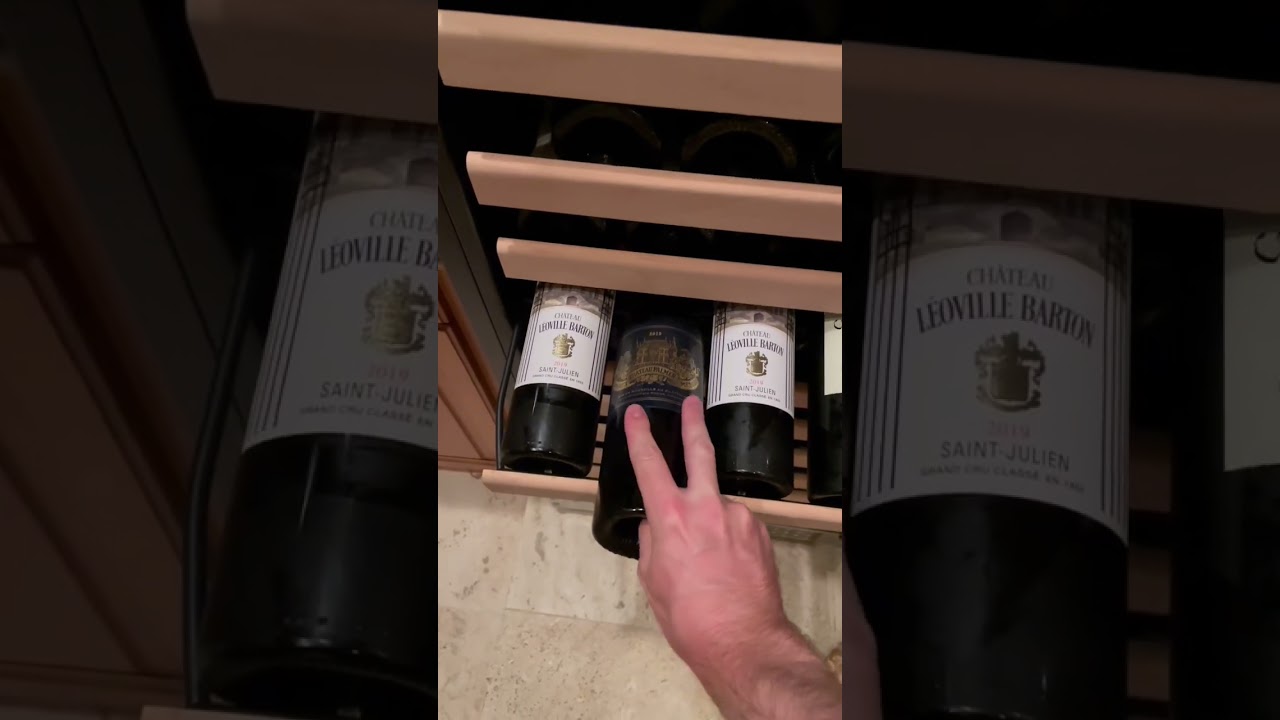
Why You Should Store Red Wine in a Wine Fridge
Storing red wine in a wine fridge is essential for maintaining its quality and enhancing its flavor. Unlike regular refrigerators, wine fridges are designed specifically to create optimal conditions for wine storage. They regulate temperature, humidity, and light exposure, ensuring that your red wine matures gracefully. By keeping your wine at a consistent temperature, typically between 55°F and 65°F, you help preserve its rich aromas and complex flavors.
One of the main advantages of a wine fridge is its ability to maintain ideal humidity levels, typically around 60-70%. This humidity is crucial for preventing corks from drying out, which can lead to oxidation and spoilage of the wine. A wine fridge also minimizes vibrations, which can disturb sediment in bottles and negatively impact the wines aging process. With a wine fridge, you can rest assured that your red wine is stored in a stable environment that promotes optimal aging.
Additional benefits of using a wine fridge include:
- Temperature Control: Precise temperature settings allow for better management of different types of red wines.
- UV Protection: Many wine fridges come with tinted glass doors that protect your wine from harmful UV rays.
- Convenient Storage: Designed with shelves that can accommodate various bottle shapes and sizes, wine fridges make it easy to organize your collection.
Moreover, a wine fridge offers an aesthetic appeal that can enhance your home decor. Available in various styles and sizes, wine fridges can be seamlessly integrated into any kitchen or dining area. Whether you’re a casual wine drinker or a serious collector, investing in a wine fridge ensures that your red wine is always ready to be enjoyed at its best.
Optimal Temperature Settings for Red Wine in a Wine Fridge
When it comes to storing red wine, achieving the optimal temperature is crucial for preserving its flavor and quality. The ideal temperature range for red wine is typically between 55°F and 65°F (13°C to 18°C). This range allows the wine to develop its complex flavors and aromas without risking spoilage. Maintaining a consistent temperature within this range is essential, as fluctuations can negatively impact the wines characteristics.
Factors Influencing Temperature Settings
Several factors can influence how you set your wine fridge for red wine storage:
- Type of Red Wine: Different varietals may benefit from slightly different temperature settings. For example, lighter reds like Pinot Noir can be served at the lower end of the spectrum, while fuller-bodied reds like Cabernet Sauvignon may be better suited to the upper range.
- Age of the Wine: Older wines, which may be more delicate, often require a cooler temperature to preserve their integrity, while younger wines can handle slightly warmer settings.
- Personal Preference: Ultimately, personal taste plays a significant role. Some wine enthusiasts prefer their reds served a bit warmer, while others enjoy them cooler.
To ensure your red wine maintains its quality, consider investing in a wine fridge with precise temperature control. This allows you to fine-tune the settings based on the specific types of wine you are storing. Regularly check the temperature and humidity levels inside the fridge to make sure they remain stable, as variations can lead to unwanted oxidation or spoilage.
Another important aspect to keep in mind is the placement of your wine fridge. Avoid placing it in areas with extreme temperature fluctuations, such as near heat sources or direct sunlight. A stable environment will help your wine fridge maintain the optimal temperature settings for your red wine, ensuring that every bottle is ready to be enjoyed at its best.
Choosing the Right Wine Fridge for Your Red Wine Collection
When it comes to preserving the rich flavors and aromas of your red wine collection, selecting the right wine fridge is essential. A wine fridge, or wine cooler, offers a controlled environment that safeguards your bottles from temperature fluctuations, light exposure, and humidity changes. Here are some key factors to consider when choosing a wine fridge specifically for red wines.
Temperature Control
Red wines are best stored at temperatures between 55°F and 65°F. It is crucial to select a wine fridge that allows you to maintain this optimal temperature range consistently. Look for models with dual-zone temperature controls, which enable you to store both red and white wines at their ideal temperatures, although for red wines, the focus should remain on the higher end of the spectrum.
Size and Capacity
The size of your wine fridge should correspond to your collection size and available space. Wine fridges come in various sizes, from compact units that hold a few bottles to larger models capable of accommodating over a hundred. Consider how many bottles you currently have and how many you plan to acquire in the future. Additionally, ensure that the dimensions of the fridge fit your designated space, whether it’s a kitchen, cellar, or living area.
Storage Configuration
The layout of the wine fridge is another vital consideration. Look for features such as adjustable shelves or racks that can accommodate different bottle shapes and sizes. A good wine fridge should provide a stable storage environment, minimizing vibration and allowing your red wines to age gracefully. Wooden racks are often preferred for red wines as they can help absorb vibrations and maintain humidity levels.
By focusing on these aspects—temperature control, size, and storage configuration—you can ensure that your red wine collection remains in perfect condition, ready for enjoyment at any time.
How to Organize Red Wine in a Wine Fridge for Maximum Flavor
Organizing red wine in your wine fridge is essential for preserving its flavor and ensuring it is always ready to enjoy. The key to maximizing flavor lies not just in the wine itself, but also in how it is stored. To achieve the best results, consider the following strategies for effective organization.
Temperature Control
The ideal temperature for storing red wine typically ranges between 55°F and 65°F. Ensure that your wine fridge maintains a consistent temperature, as fluctuations can adversely affect the wines flavor profile. Use the following tips to optimize temperature control:
- Zone your fridge: If your wine fridge has multiple zones, store lighter reds like Pinot Noir at the upper end of the temperature range and fuller-bodied reds like Cabernet Sauvignon at the lower end.
- Keep it away from light: UV light can degrade wine quality, so ensure your fridge is dark and does not expose bottles to direct sunlight.
Proper Bottle Orientation
Storing red wine bottles horizontally is crucial for maintaining cork integrity. This orientation keeps the cork moist, preventing it from drying out and allowing air to seep into the bottle. Consider these additional organization tips:
- Labeling: Use clear labels or a wine inventory app to easily identify your wines. This will save time and help you keep track of your collection.
- Group by varietal: Arrange your wines by grape variety or region to make it easier to select the perfect bottle for any occasion.
Minimize Vibration
Vibration can disturb the sediment in red wine and affect its aging process. To minimize vibration, ensure that your wine fridge is placed on a stable surface and avoid placing it near appliances that generate movement. Here are some additional tips for reducing vibrations:
- Choose a quality wine fridge: Investing in a high-quality wine fridge designed to minimize vibrations can enhance the longevity and flavor of your red wine.
- Keep it organized: Avoid overcrowding your fridge, as this can lead to movement and jostling of the bottles.
By following these guidelines for organizing red wine in your wine fridge, you can significantly enhance the flavor and overall quality of your collection, ensuring every bottle is ready to impress.
Common Mistakes to Avoid When Storing Red Wine in a Wine Fridge
When it comes to storing red wine in a wine fridge, many enthusiasts unknowingly make mistakes that can compromise the quality of their prized bottles. Understanding these common pitfalls is essential for ensuring that your wine maintains its intended flavor and aroma.
1. Incorrect Temperature Settings
One of the most critical factors in wine storage is temperature. Red wine is best stored between 55°F to 65°F (13°C to 18°C). Setting your wine fridge too cold can mute flavors, while too warm temperatures can accelerate aging and spoil the wine. Regularly check the temperature settings and make sure they are appropriate for red wine storage.
2. Poor Humidity Control
Humidity levels play a vital role in preserving the cork of your wine bottle. A humidity level between 50% and 70% is ideal. If the humidity is too low, corks can dry out, leading to oxidation and spoilage. Conversely, excessive humidity can encourage mold growth. Ensure your wine fridge is equipped to maintain the proper humidity levels.
3. Storing Wine Upright
Another common mistake is storing red wine bottles upright. This can cause the cork to dry out, allowing air to enter the bottle and spoil the wine. Always store red wine bottles on their sides to keep the cork moist and create a proper seal.
4. Overcrowding the Fridge
Overcrowding your wine fridge can lead to poor air circulation, which can affect the wines temperature stability. Ensure there is enough space between bottles for optimal airflow. This not only helps maintain consistent temperatures but also allows for easier access when you want to enjoy a bottle.
See all our content in the Sitemaps or in our Vip Cheers Webmaps!
You read complete Optimal Storage: Red Wine in a Wine Fridge for Perfect Aging See more about liqueurs here Wine.
Leave a Reply