
Is Bourbon and Whiskey the Same? Key Differences Explained
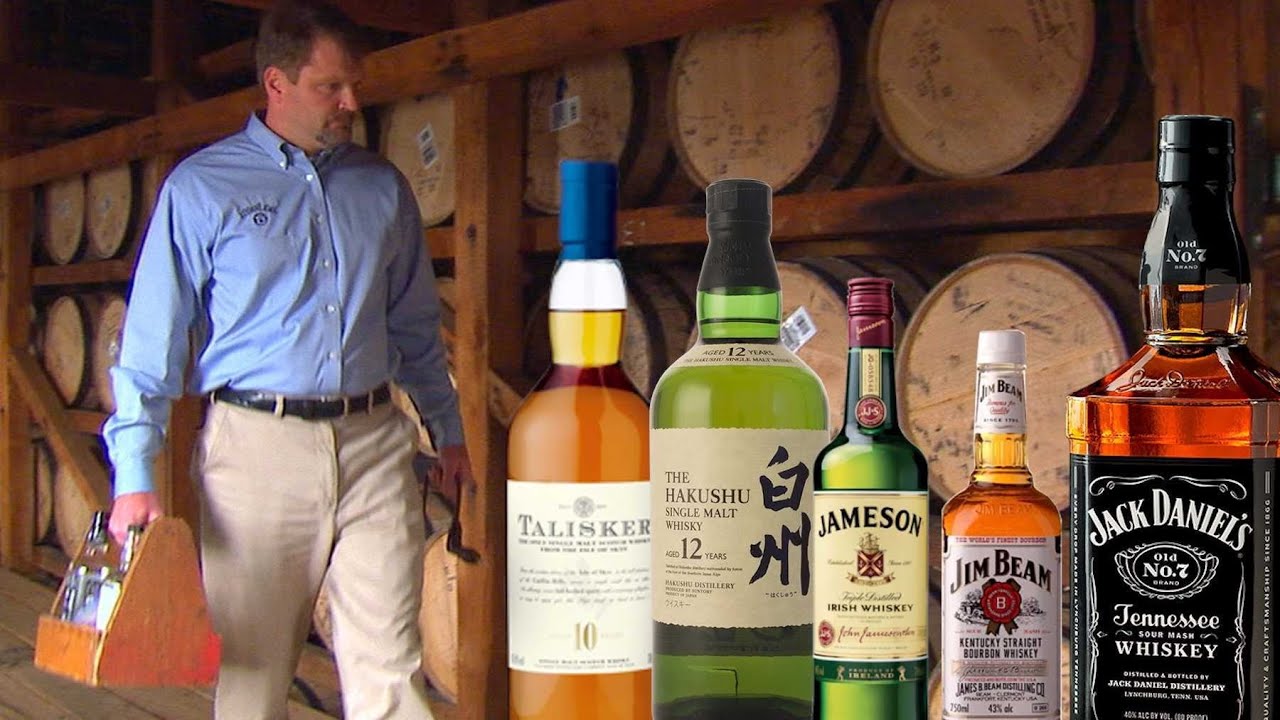
Understanding the Basics: What is Whiskey?
Whiskey, often spelled "whisky" depending on its origin, is a distilled alcoholic beverage made from fermented grain mash. The grains used can include barley, corn, rye, and wheat, each contributing unique flavors and characteristics to the final product. The production process of whiskey involves several key steps, including mashing, fermentation, distillation, and aging in wooden casks, which play a significant role in developing its taste and aroma.
Types of Whiskey
Whiskey is categorized into various types, each with distinct production methods and flavor profiles. Here are some of the most popular varieties:
- Scotch Whisky: Made primarily in Scotland, often from malted barley, and aged for a minimum of three years.
- Irish Whiskey: Typically triple-distilled for smoothness, made from a mix of malted and unmalted barley.
- Bourbon: An American whiskey primarily made from corn (at least 51%) and aged in new charred oak barrels.
- Rye Whiskey: Made from at least 51% rye grain, known for its spicy flavor profile, popular in both the U.S. and Canada.
The flavor of whiskey can vary greatly depending on factors such as the type of grain used, the distillation process, and the aging conditions. For example, bourbon tends to have sweeter notes due to its high corn content, while rye whiskey offers a spicier, more robust taste. Additionally, the type of barrels used for aging, whether new or previously used, can impart different characteristics to the whiskey, such as vanilla, caramel, or smokiness.
Understanding whiskey also involves recognizing its alcohol content, which typically ranges from 40% to 50% ABV (alcohol by volume) for most commercial varieties. The complexity of whiskey comes not only from its ingredients and production techniques but also from the cultural and historical significance that it carries across different regions, making it a beloved spirit around the world.
The Distinct Characteristics of Bourbon
Bourbon is a unique American whiskey that is renowned for its rich flavor and specific production requirements. To qualify as bourbon, the spirit must adhere to strict regulations that define its distinct characteristics. One of the most significant requirements is that it must be made from a grain mixture that is at least 51% corn. This high corn content contributes to bourbons signature sweetness, making it a favorite among whiskey enthusiasts.
Another defining feature of bourbon is its aging process. Bourbon must be aged in new charred oak barrels. The charring of the barrels not only gives bourbon its deep amber color but also imparts complex flavors such as vanilla, caramel, and spice. The aging process must occur for a minimum of two years to be labeled as straight bourbon, although many premium bourbons are aged for much longer to develop even richer flavors.
The production of bourbon is also closely monitored to ensure quality. It must be distilled to no more than 160 proof and entered into the barrel at no more than 125 proof. Additionally, bourbon must be produced in the United States to maintain its designation. This combination of ingredients, aging methods, and production standards culminates in a spirit that is both flavorful and aromatic, making bourbon a beloved choice for cocktails and sipping alike.
Finally, the flavor profile of bourbon is characterized by its balance of sweetness and warmth. Common tasting notes include caramel, vanilla, oak, and spices, which create a smooth and inviting experience. The influence of the charred oak barrels adds depth and complexity, allowing for a wide range of expressions across different brands and bottlings. This harmonious blend of characteristics is what sets bourbon apart from other types of whiskey, making it a unique staple in the world of spirits.
Key Differences Between Bourbon and Other Types of Whiskey
When it comes to whiskey, bourbon is one of the most distinctive types, with specific characteristics that set it apart from other varieties. Understanding these differences is essential for enthusiasts and casual drinkers alike.
Grain Composition
One of the primary distinctions between bourbon and other whiskeys lies in their grain composition. To be classified as bourbon, the mash bill must contain at least 51% corn. This high corn content contributes to bourbons sweet flavor profile. In contrast, other whiskeys, such as rye whiskey, must contain a minimum of 51% rye, resulting in a spicier taste. Additionally, malt whiskey is primarily made from malted barley, giving it a different character altogether.
Production Regulations
Bourbon is also governed by strict production regulations that differentiate it from other whiskeys. For a whiskey to be labeled as bourbon, it must be distilled to no more than 160 proof and aged in new, charred oak barrels. This requirement for new barrels is unique to bourbon; other types of whiskey, like Scotch, can be aged in used barrels, which imparts different flavors and aromas. The aging process for bourbon must last a minimum of two years to be called straight bourbon, whereas there is no minimum aging requirement for other whiskey types, although many are aged for several years.
Geographic Origin
Another critical difference is the geographic origin of the whiskey. Bourbon is primarily associated with the United States, particularly Kentucky, where it originated. While bourbon can technically be produced anywhere in the U.S., other whiskeys have their own specific regions. For example, Scotch whiskey must be produced in Scotland, while Irish whiskey is made in Ireland. The geographic location influences the ingredients, production methods, and ultimately the flavor profiles of these spirits.
Taste and Aroma
The taste and aroma of bourbon also set it apart from other types of whiskey. Due to its corn base and aging in charred oak barrels, bourbon typically exhibits notes of vanilla, caramel, and oak, creating a rich and smooth palate. In contrast, rye whiskey often presents a more robust and spicy flavor, while Scotch may offer smoky and peaty notes, depending on its production methods. These flavor profiles are crucial for whiskey connoisseurs when selecting their preferred type.
How Bourbon and Whiskey Are Made: A Closer Look
Common Misconceptions: Are Bourbon and Whiskey Really the Same?
Many people often use the terms "bourbon" and "whiskey" interchangeably, leading to a common misconception about their relationship. While all bourbons are indeed whiskey, not all whiskeys can be classified as bourbon. This distinction is crucial for both enthusiasts and casual drinkers to understand, as it affects flavor profiles, production methods, and legal definitions.
What is Whiskey?
Whiskey is a broad category of distilled alcoholic beverages made from fermented grain mash. The grains used can include barley, corn, rye, and wheat. There are various types of whiskey, including Scotch, Irish, rye, and bourbon, each with unique characteristics and regulations. The key difference lies in the production process and the specific ingredients used, which contribute to the flavor and style of the final product.
What Makes Bourbon Unique?
Bourbon is a specific type of whiskey that must adhere to certain legal requirements to be labeled as such. For instance, it must be made from a grain mixture that is at least 51% corn, aged in new charred oak barrels, and distilled to no more than 160 proof. Additionally, it must be produced in the United States, although many people associate bourbon primarily with Kentucky. These regulations not only define bourbon but also contribute to its distinctive sweet flavor and rich aroma.
Common Misunderstandings
Some common misconceptions surrounding bourbon and whiskey include:
- All whiskey is bourbon: While bourbon is a type of whiskey, the reverse is not true.
- Only whiskey from Kentucky is bourbon: Bourbon can be produced anywhere in the U.S., though Kentucky is often seen as its home.
- Bourbon must be aged for a specific time: While straight bourbon must be aged for a minimum of two years, there is no minimum aging requirement for bourbon itself.
Understanding these differences can enhance your appreciation of both bourbon and whiskey, allowing you to make more informed choices when selecting a drink.
See all our content in the Sitemaps or in our Vip Cheers Webmaps!
You read complete Is Bourbon and Whiskey the Same? Key Differences Explained See more about liqueurs here Whisky.
Leave a Reply