
How to Make Wine from Grapes: A Step-by-Step Guide
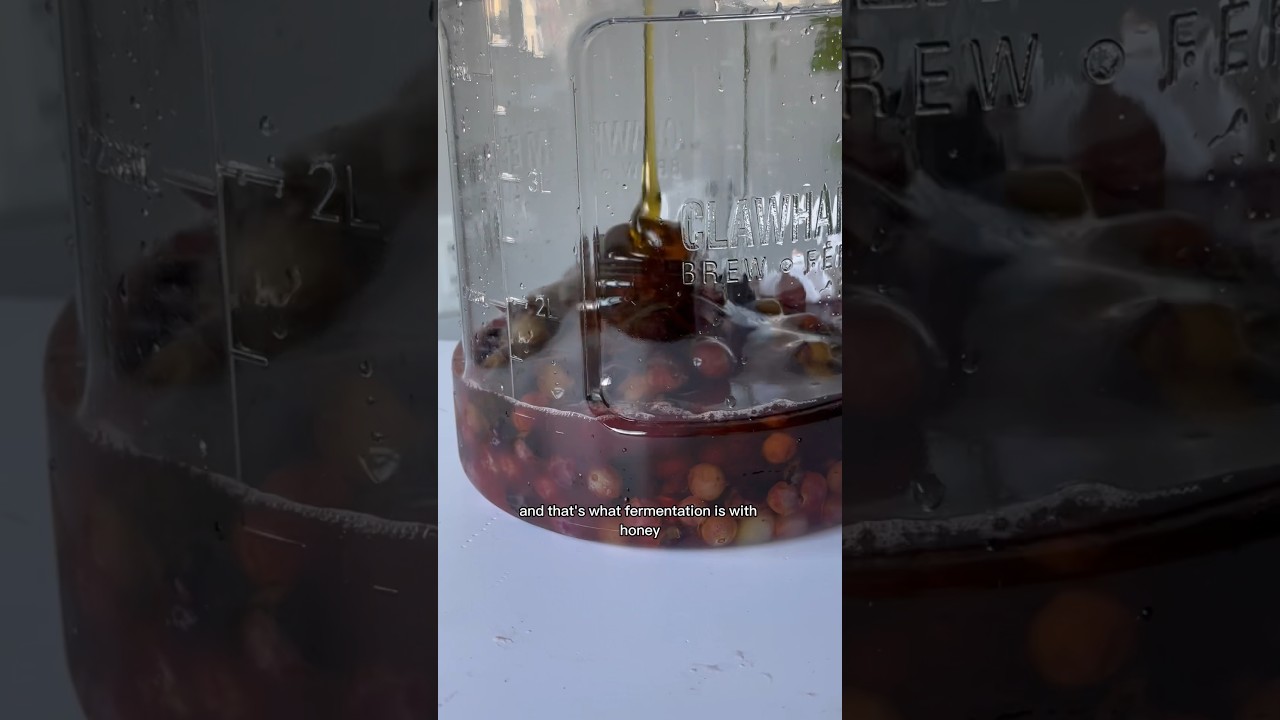
Understanding the Basics: How Do You Make Wine from Grapes?
Making wine from grapes is a fascinating process that combines art and science. It all begins with selecting the right variety of grapes, which are essential for determining the flavor, aroma, and overall quality of the wine. Different grape varieties, such as Cabernet Sauvignon, Chardonnay, or Merlot, possess unique characteristics that contribute to the final product. The first step in the winemaking process is the harvesting of grapes, which can be done either by hand or with machines, depending on the scale of production and the desired quality.
Once the grapes are harvested, they undergo crushing and destemming. This step involves breaking the skins of the grapes to release their juice while removing the stems. The crushed grapes, known as must, are then placed in fermentation vessels. Depending on the type of wine being produced—red, white, or rosé—the fermentation process can vary. For red wines, the skins are left in contact with the juice to impart color and tannins, while for white wines, the skins are typically removed early in the process.
After fermentation, which can last from a few days to several weeks, the wine is separated from the solids through a process called pressing. This is where the liquid is extracted from the must, resulting in what is known as "free run" wine. The wine is then transferred to aging containers, such as oak barrels or stainless steel tanks, where it matures. Aging can enhance the flavors and aromas of the wine, allowing for the development of complex characteristics.
Finally, after the aging process is complete, the wine undergoes bottling. This step may include filtering and fining to clarify the wine and remove any unwanted particles. Some winemakers choose to add sulfites at this stage to preserve the wine and prevent spoilage. Once bottled, the wine is labeled and prepared for distribution, ready to be enjoyed by wine enthusiasts around the world.
The Step-by-Step Process of Making Wine from Grapes
Making wine from grapes is an age-old tradition that combines art and science. The process involves several key steps, each contributing to the final flavor and quality of the wine. Below, we outline the essential stages of winemaking, providing a clear understanding of how grapes are transformed into this beloved beverage.
1. Harvesting the Grapes
The journey of winemaking begins with the careful harvesting of grapes. Timing is crucial; grapes must be picked at their peak ripeness to ensure optimal sugar and acidity levels. This step can be done by hand or with mechanical harvesters, depending on the vineyards size and production goals.
2. Crushing and Pressing
Once harvested, grapes are crushed to release their juice. This can be done using traditional methods, such as foot treading, or modern machines. The resulting mixture of juice, skins, and seeds is known as must. For white wines, the must is typically pressed immediately to separate the juice from the solids, while red wines ferment with their skins to extract color and tannins.
3. Fermentation
Fermentation is a crucial step where yeast converts the sugars in the grape juice into alcohol and carbon dioxide. This process can take several days to weeks, depending on the desired wine style. Winemakers often monitor the fermentation temperature and sugar levels to achieve the perfect balance.
4. Aging and Bottling
After fermentation, the wine is aged in barrels or tanks, allowing it to develop complex flavors. The aging process can last from a few months to several years, depending on the type of wine being produced. Once the aging is complete, the wine is filtered and bottled. This final step involves careful consideration of closure types, such as corks or screw caps, which can impact the wines aging potential.
By following these steps, winemakers harness the unique characteristics of the grapes, creating a diverse array of wines that reflect their terroir and craftsmanship.
Choosing the Right Grapes: What You Need to Know for Wine Making
When it comes to wine making, choosing the right grapes is a critical decision that can significantly influence the flavor, aroma, and overall quality of your wine. Different grape varieties possess unique characteristics, and understanding these traits will help you select the best grapes for your desired wine style. Here are some essential factors to consider when making your selection.
Understanding Grape Varieties
There are two primary categories of grapes used in wine making: Vitis vinifera and Vitis labrusca. Vitis vinifera grapes, such as Cabernet Sauvignon, Merlot, and Chardonnay, are renowned for their complex flavors and are the backbone of many fine wines. On the other hand, Vitis labrusca varieties, like Concord, are often sweeter and used primarily for juices and sweeter wines. Familiarizing yourself with these categories can help you choose the right grapes for your wine making journey.
Climate and Terroir
The climate and terroir (the unique environmental conditions of a vineyard) play a crucial role in grape quality. Certain grape varieties thrive in specific climates, and understanding these requirements can enhance your wines potential. For instance, Cabernet Sauvignon flourishes in warm climates, while Pinot Noir prefers cooler regions. When selecting grapes, consider the following:
- Climate: Identify the temperature and rainfall patterns of your region.
- Soil Type: Different grapes prefer different soil compositions, such as sandy, clay, or loamy soils.
- Sun Exposure: Assess how much sunlight your vineyard receives, as this can impact grape ripening.
Harvest Timing
Timing is another crucial element in grape selection. Grapes must be harvested at the right moment to achieve optimal sugar levels and acidity, which are essential for the fermentation process. The ideal harvest time varies by grape variety, and it is influenced by weather conditions throughout the growing season. Monitoring the grapes for ripeness is key, as picking too early or too late can dramatically affect the final product.
By taking into account the various grape varieties, their climatic needs, and the importance of timely harvesting, you can make informed decisions that will lead to a successful wine making experience.
Essential Equipment for Making Wine from Grapes at Home
To successfully embark on the journey of making wine from grapes at home, having the right equipment is crucial. The process of winemaking can be intricate, but with the essential tools, you can streamline your efforts and produce high-quality wine. Below are the key pieces of equipment you will need to get started.
Primary Fermentation Equipment
The primary fermentation stage is where the magic begins, and having the right tools is vital. Here are the essential items you should consider:
- Fermentation Vessel: A food-grade plastic or glass container, typically between 5 to 7 gallons, is ideal for fermenting grape juice. Glass carboys are popular for their durability and visibility.
- Airlock: This device allows gases to escape during fermentation while preventing contaminants from entering the vessel.
- Siphon or Auto-Siphon: Used for transferring wine between containers without disturbing sediment, a siphon is crucial for clarity and quality.
Pressing and Crushing Tools
Before fermentation can take place, grapes must be crushed and pressed to extract their juice. Having the right tools for this stage can significantly impact the flavor profile of your wine. Key equipment includes:
- Grape Crusher: A manual or electric crusher will help break the skins of the grapes to release their juice effectively.
- Wine Press: A good quality press is necessary to extract juice from the crushed grapes. Hydraulic or basket presses are commonly used.
Bottling and Storage Supplies
Once fermentation is complete, its time to bottle your wine. Proper bottling and storage equipment ensures that your wine remains fresh and flavorful. Important items include:
- Wine Bottles: Standard 750ml glass bottles are ideal for storing homemade wine. Make sure they are clean and sanitized before use.
- Corks and Corker: High-quality corks will seal your bottles effectively. A corker is essential for inserting corks securely.
- Labels: Dont forget to label your bottles with the wines name, varietal, and bottling date for easy identification.
With the right equipment in hand, you can navigate the winemaking process with confidence and creativity. Investing in quality tools will not only enhance your winemaking experience but also the final product you create.
Common Mistakes to Avoid When Making Wine from Grapes
When venturing into the world of winemaking, especially from grapes, its crucial to avoid common pitfalls that can compromise the quality of your wine. One of the primary mistakes beginners often make is neglecting the importance of cleanliness. A sanitized environment is essential for preventing unwanted bacteria and wild yeast from contaminating your wine. Always ensure that your equipment, from fermentation vessels to bottles, is thoroughly cleaned and sanitized before use.
Another frequent error is using overripe or underripe grapes. The sugar content and acidity of the grapes play a significant role in the final flavor and balance of the wine. Overripe grapes can lead to overly sweet wines with little complexity, while underripe grapes may result in harsh, unbalanced flavors. To achieve the best results, its vital to select grapes at their optimal ripeness, which typically means checking the sugar levels and tasting the grapes for flavor.
Many novice winemakers also underestimate the importance of monitoring fermentation temperatures. Fermentation that occurs at too high or too low a temperature can produce off-flavors and undesirable aromas. Its advisable to maintain a stable temperature within the recommended range for the specific type of wine youre making. Investing in a reliable thermometer and, if necessary, a temperature control system can significantly improve your winemaking process.
Lastly, dont overlook the significance of proper aging. Rushing the aging process can lead to a wine that lacks depth and complexity. While it might be tempting to bottle your wine as soon as fermentation is complete, allowing it to mature in a controlled environment for the right amount of time can enhance its flavors and aromas. Patience is key, so be sure to educate yourself on the appropriate aging times for the varietals you are working with.
See all our content in the Sitemaps or in our Vip Cheers Webmaps!
You read complete How to Make Wine from Grapes: A Step-by-Step Guide See more about liqueurs here Wine.
Leave a Reply