
Discover the Health Benefits of Gin: What You Need to Know
Understanding the Nutritional Profile of Gin
When exploring the nutritional profile of gin, it is essential to recognize that this popular spirit is primarily composed of alcohol and water, with very few calories coming from carbohydrates or sugars. A standard serving of gin, which is typically 1.5 ounces (about 44 milliliters), contains approximately 97 calories. This calorie count is significantly lower than many other alcoholic beverages, making gin a preferred choice for those looking to manage their caloric intake.
Key Nutritional Components of Gin:
- Calories: Approximately 97 calories per 1.5 oz serving
- Carbohydrates: 0 grams
- Sugars: 0 grams
- Protein: 0 grams
- Fat: 0 grams
Despite being low in calories, gins unique flavor profile is derived from its botanical ingredients, including juniper berries, herbs, and spices. These botanicals not only contribute to gins distinctive taste but also provide potential health benefits. For instance, juniper berries are known for their antioxidant properties, which can support overall health. However, it is important to remember that the benefits of these botanicals are often minimal when consumed in typical serving sizes.
Another aspect of gins nutritional profile is its lack of essential nutrients. Unlike some other alcoholic beverages, such as red wine, gin does not contain significant amounts of vitamins or minerals. Therefore, while it may be a lower-calorie option, it does not provide nutritional value. Those consuming gin should be mindful of mixing it with sugary mixers or high-calorie beverages, as this can significantly alter its overall nutritional impact.
Exploring Potential Health Benefits of Gin
Gin, a spirit renowned for its botanical flavors, particularly juniper berries, has been the subject of various studies exploring its potential health benefits. While moderation is key, certain compounds found in gin may offer some surprising advantages. This section delves into the intriguing health aspects associated with gin consumption.
1. Antioxidant Properties
One of the most notable health benefits of gin is its antioxidant properties. The botanicals used in gin, especially juniper, are rich in antioxidants. These compounds help combat oxidative stress in the body, which can lead to chronic diseases. Antioxidants play a vital role in:
- Reducing inflammation
- Boosting the immune system
- Protecting cells from damage
Incorporating gin into a balanced diet may provide a source of these beneficial antioxidants, contributing to overall well-being.
2. Potential Heart Health Benefits
Moderate gin consumption has been linked to potential heart health benefits. Some studies suggest that the compounds found in gin can improve circulation and may even lower the risk of heart disease. The key factors include:
- Improved blood circulation: Juniper berries contain properties that may promote better blood flow.
- Lower cholesterol levels: Certain components in gin may help in managing cholesterol levels, contributing to heart health.
While enjoying gin in moderation, individuals may experience these heart-healthy effects, making it a more appealing choice compared to other spirits.
3. Potential Digestive Benefits
Gin has been traditionally used as a digestive aid, thanks to its botanical ingredients. The presence of juniper and other herbs can stimulate the digestive system, promoting better digestion. Some potential digestive benefits include:
- Stimulating appetite: The aromatic properties of gin may help increase appetite before meals.
- Alleviating bloating: Some botanicals in gin are known for their carminative properties, which can help reduce gas and bloating.
Incorporating gin into social gatherings or meals may not only enhance the experience but also provide these digestive advantages.
How Moderation Influences the Health Effects of Gin
When it comes to the health effects of gin, moderation is a key factor that can significantly alter its impact on the body. Consuming gin in moderation may provide some potential health benefits, while excessive consumption can lead to negative consequences. Understanding the balance between these two extremes is essential for those who enjoy gin as part of their lifestyle.
Potential Health Benefits of Moderate Gin Consumption:
- Cardiovascular Health: Moderate gin consumption has been associated with improved cardiovascular health due to its low-calorie content and the presence of certain botanicals like juniper berries, which are rich in antioxidants.
- Digestive Aid: The herbal components in gin can stimulate digestion, making it a popular choice after meals.
- Social Interaction: Enjoying gin in moderation can enhance social experiences, leading to improved mental health through increased social bonding and reduced stress.
On the other hand, the risks of excessive gin consumption cannot be overlooked. Overindulgence can lead to a range of health issues, including liver damage, addiction, and an increased risk of certain cancers. The key lies in recognizing what constitutes moderation, which is typically defined as up to one standard drink per day for women and up to two for men.
Understanding the balance between the potential benefits and risks associated with gin consumption highlights the importance of moderation. By keeping their intake in check, individuals can enjoy the flavors and experiences that gin offers while minimizing the adverse health effects that can arise from overconsumption.
Comparing Gin with Other Spirits: What You Need to Know
When it comes to spirits, gin stands out due to its unique flavor profile and aromatic qualities. Unlike whiskey or vodka, gin is distilled with botanicals, predominantly juniper berries, which give it a distinct taste. This sets gin apart from other popular spirits such as rum, tequila, and vodka, each of which has its own base ingredients and production methods. Understanding these differences can enhance your appreciation of gin and its versatility in cocktails.
Flavor Profiles
Gin is known for its refreshing and complex flavors, often incorporating a variety of botanicals. Common botanicals include:
- Juniper Berries: The primary flavoring agent in gin.
- Coriander: Adds a citrusy and spicy note.
- Angelica Root: Contributes earthy undertones.
- Other Botanicals: Can include citrus peels, herbs, and spices.
In contrast, vodka is typically neutral in flavor, making it a versatile base for cocktails but lacking the complexity that gin offers. Rum, made from sugarcane or molasses, has a sweeter profile, while tequila, derived from the agave plant, presents a robust earthy flavor. Each spirit has its own unique characteristics that cater to different taste preferences and cocktail applications.
Mixability and Cocktails
Gins diverse flavor profile makes it an excellent choice for a wide range of cocktails. Classic gin cocktails include:
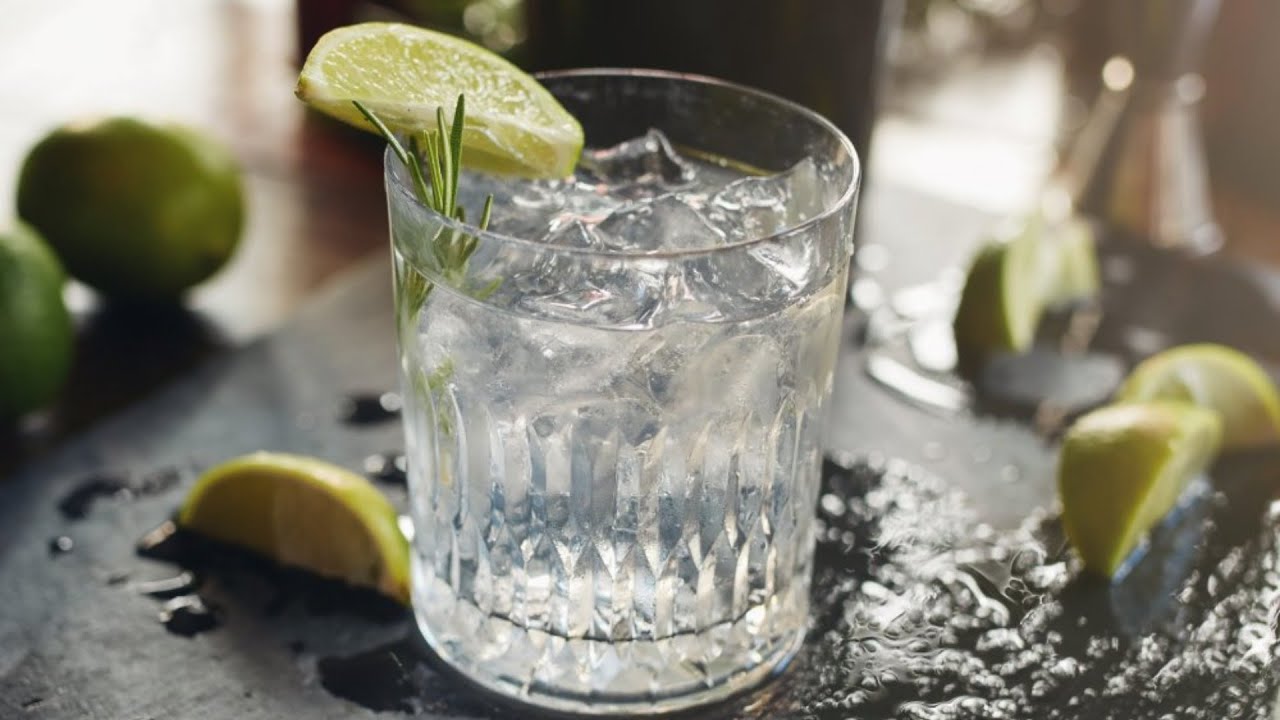
- Gin and Tonic: A refreshing mix of gin and tonic water, often garnished with lime.
- Martini: A sophisticated blend of gin and dry vermouth.
- Negroni: A balanced combination of gin, Campari, and sweet vermouth.
In contrast, vodka is often used in cocktails where a clean taste is desired, such as the Vodka Martini or Moscow Mule. Rum shines in tropical cocktails like the Mojito or Piña Colada, while tequila is favored in drinks like the Margarita. Understanding these mixability differences can help you choose the right spirit for your next cocktail party or casual gathering.
Alcohol Content and Serving Suggestions
Most gins have an alcohol by volume (ABV) of around 40%, similar to vodka and rum. However, the unique flavors of gin often make it more palatable in smaller servings, allowing for a more nuanced tasting experience. When serving gin, consider pairing it with complementary mixers or garnishes that enhance its botanical notes. For instance, a well-crafted gin and tonic can be elevated with fresh herbs or citrus slices.
In comparison, spirits like whiskey and rum can have higher ABV variations and are often enjoyed neat or on the rocks, allowing the drinker to savor their rich flavors. Understanding these serving styles can help you better appreciate the distinct qualities of gin in relation to other spirits.
Myths and Facts: Debunking Common Misconceptions About Gin and Health
Many people have their own beliefs about the health effects of gin, often influenced by myths and misconceptions. Understanding the truth behind these claims can help individuals make informed choices about their drinking habits. Below, we explore some of the most common myths surrounding gin and its health implications.
Myth 1: Gin is a Healthier Alcohol Option
One popular belief is that gin is a healthier choice compared to other alcoholic beverages. While gin does have some potential health benefits, such as being lower in calories than sweeter liquors, it is essential to recognize that moderation is key. Excessive consumption of gin, like any other alcohol, can lead to negative health outcomes, including liver damage and increased risk of addiction.
Myth 2: Gin Can Cure Common Ailments
Another misconception is that gin possesses medicinal properties that can cure various ailments. Some proponents claim that gin can help with digestion or alleviate colds due to its juniper content. However, while juniper berries do have some antioxidant properties, there is no scientific evidence to support the idea that gin can serve as a cure for any illness. Relying on gin for health benefits can lead to harmful drinking habits.
Myth 3: Gin Causes Dehydration
A common myth is that gin, like other alcoholic beverages, inherently leads to dehydration. While alcohol consumption can contribute to dehydration, the idea that gin is more dehydrating than other spirits is not accurate. The key factor is the amount of alcohol consumed, rather than the type of spirit. Staying hydrated by drinking water alongside alcoholic beverages can mitigate this effect, regardless of the drink choice.
By understanding these myths and facts, consumers can navigate the world of gin more effectively and enjoy it responsibly while being aware of its true health implications.
See all our content in the Sitemaps or in our Vip Cheers Webmaps!
You read complete Discover the Health Benefits of Gin: What You Need to Know See more about liqueurs here Other Liquors.
Leave a Reply