
What Does a Wine Aerator Do? Unlocking Wines Full Flavor
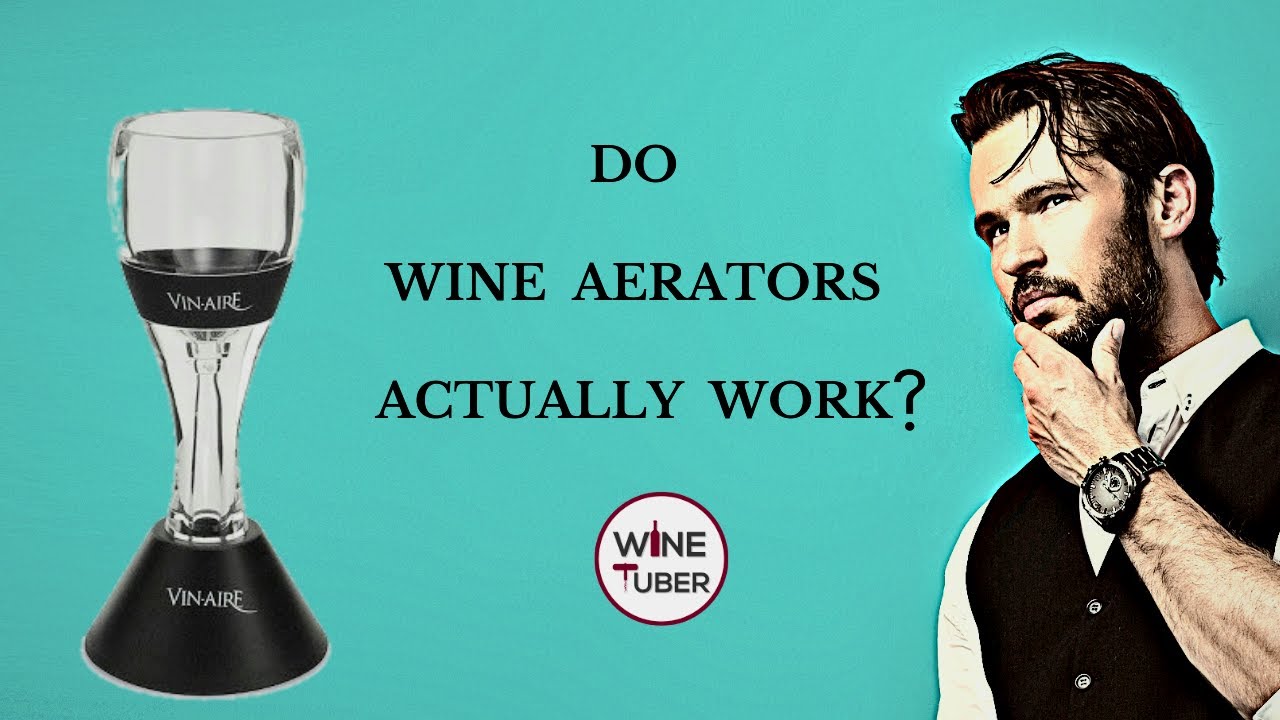
Understanding Wine Aeration: What Does a Wine Aerator Do?
Wine aeration is a crucial process that enhances the flavor and aroma of wine, and a wine aerator is a specialized tool designed to facilitate this process. When wine is poured, it interacts with air, allowing the volatile compounds to evaporate and the wine to "breathe." This exposure can soften tannins, release fruity notes, and mellow out harsh flavors, making the wine more enjoyable. A wine aerator accelerates this interaction, promoting quicker aeration than traditional methods, such as decanting.
How Does a Wine Aerator Work? Wine aerators typically feature a design that maximizes the surface area of the wine in contact with air. Most models have a funnel-like shape that creates turbulence as the wine flows through, introducing air into the liquid. This process can significantly enhance the wines bouquet and taste profile, especially for younger, tannic wines that may benefit from oxidation. The result is a smoother, more balanced glass of wine that highlights its best characteristics.
Types of Wine Aerators There are several types of wine aerators available on the market, each with its own unique features and benefits. Some common types include:
- Pour-through aerators: These attach directly to the bottle and aerate the wine as it is poured.
- Decanter aerators: These involve pouring wine into a decanter that allows for greater exposure to air.
- Electric aerators: These use a battery-powered pump to aerate the wine as it is dispensed.
Using a wine aerator can transform your wine-drinking experience, allowing you to savor the full spectrum of flavors and aromas. Whether youre enjoying a casual evening at home or hosting a dinner party, a wine aerator can elevate your wine to its optimal state, ensuring every sip is as delightful as possible.
How Wine Aerators Enhance Flavor and Aroma
Wine aerators are essential tools for wine enthusiasts looking to elevate their tasting experience. By exposing wine to air, these devices facilitate a chemical reaction that enhances the flavor and aroma profile of the wine. When wine is poured through an aerator, it increases its surface area, allowing oxygen to interact with the wine more effectively. This interaction helps to release volatile compounds, making the wines aromas more pronounced and its flavors more complex.
Key Benefits of Using Wine Aerators:
- Improved Aroma: Aeration releases aromatic compounds, resulting in a more fragrant bouquet.
- Smoother Taste: Tannins soften with exposure to air, leading to a smoother mouthfeel.
- Enhanced Flavor Complexity: The interplay of flavors becomes more pronounced, allowing for a fuller tasting experience.
- Reduction of Off-Flavors: Aerators can help dissipate unwanted sulfites and other off-flavors, improving overall quality.
Different wines benefit from aeration in unique ways. For example, bold red wines, such as Cabernet Sauvignon or Syrah, often have high tannin levels that can be mellowed through aeration, resulting in a more balanced and enjoyable experience. On the other hand, white wines and lighter reds can also benefit, as aeration helps to highlight their fruity and floral notes.
Using a wine aerator can significantly enhance your wine-tasting journey, allowing you to fully appreciate the intricate flavors and aromas crafted by winemakers. Whether youre enjoying a casual glass or hosting a sophisticated tasting event, aerators are an indispensable addition to your wine toolkit.
The Science Behind Wine Aeration: Why It Matters
Wine aeration is a process that involves exposing wine to air, allowing it to interact with oxygen. This interaction can significantly enhance the wines flavor, aroma, and overall drinking experience. When wine is poured into a glass or decanted, it begins to oxidize, which can lead to several beneficial chemical reactions. These reactions can help to soften tannins, release volatile compounds, and promote the development of complex aromas.
Why Does Aeration Matter?
Aeration is crucial for both young and older wines. For young wines, especially those with high tannin levels, aeration can help mellow the harshness and bring out the wines fruit-forward characteristics. In contrast, older wines may benefit from aeration by allowing them to open up and reveal their intricate flavors that may have been subdued during the aging process. The right amount of aeration can transform a wine, making it more enjoyable and accessible to the palate.
The Chemistry of Aeration
The science behind aeration involves a few key chemical processes. When wine is exposed to air, oxygen molecules react with phenolic compounds in the wine, such as tannins and anthocyanins. This reaction can lead to the following:
- Oxidation: This process softens tannins, making the wine feel smoother and more balanced.
- Volatile Compounds Release: Aeration allows for the escape of unwanted volatile compounds, which can contribute to off-flavors.
- Aroma Development: Exposure to oxygen enhances the aromatic profile, allowing for the emergence of complex notes.
Understanding the science behind wine aeration helps wine enthusiasts appreciate the importance of this process. By allowing wines to breathe, drinkers can unlock a fuller range of flavors and aromas, enriching their overall experience.
Different Types of Wine Aerators and Their Functions
When it comes to enhancing the flavors and aromas of wine, aeration plays a crucial role. Different types of wine aerators are designed to achieve this effect, each with its unique functionality and benefits. Understanding these various types can help wine enthusiasts choose the right aerator for their needs.
1. Pour-Through Aerators
Pour-through aerators are among the most common types of aerators. These devices are typically designed to be used directly on the bottle or glass. As the wine is poured through the aerator, it is exposed to air, allowing for rapid oxidation. This type of aerator is often compact and easy to use, making it ideal for casual wine drinkers. Key features include:
- Compact design for easy handling
- Instant aeration during pouring
- Variety of designs and materials available
2. Decanter Aerators
Decanter aerators combine the traditional practice of decanting with modern aeration technology. These aerators typically feature a larger surface area, allowing wine to interact with air over a longer period. Decanter aerators are perfect for older wines that benefit from slow aeration, as they help soften tannins and release complex aromas. Benefits of decanter aerators include:
- Enhanced flavor development
- Visual appeal for serving
- Ability to hold larger volumes of wine
3. Electric Aerators
For those who prefer a high-tech approach, electric aerators offer a convenient solution. These devices utilize battery power or a plug-in mechanism to pump air into the wine as it is dispensed. Electric aerators are particularly effective for quick aeration and can be used for both red and white wines. Advantages of electric aerators include:
- Fast aeration process
- Consistent aeration levels
- Ease of use with minimal effort
Each type of wine aerator serves a specific purpose, catering to different preferences and wine styles. By selecting the right aerator, wine lovers can enhance their tasting experience and enjoy the full potential of their favorite bottles.
How to Use a Wine Aerator for Optimal Results
Using a wine aerator can significantly enhance the flavors and aromas of your favorite wines. To achieve optimal results, its essential to understand the correct method for aerating your wine. Begin by selecting a quality aerator that suits your needs, as there are various types available, including handheld aerators, decanter-style aerators, and electric models. Each type has its unique features and benefits, but they all serve the same primary purpose: to expose the wine to air, allowing it to breathe and develop its full character.
Step 1: Choose the Right Wine
Not all wines require aeration. Generally, young red wines, particularly those with high tannin levels, benefit the most from aeration. Lighter wines, such as whites and rosés, may not need as much exposure to air. Before aerating, consider the wines age and type. If youre unsure, opt for a taste test—pour a small amount of wine into a glass and taste it before and after aeration to determine the difference.
Step 2: Aerating Techniques
To use a handheld aerator, simply pour the wine through the device into a glass or decanter. Ensure you hold the aerator above the glass to allow for maximum air exposure. If youre using a decanter-style aerator, pour the wine directly into the decanter, which will facilitate aeration as it flows through the device. For electric aerators, follow the manufacturers instructions, as they often have built-in mechanisms to enhance the aeration process. Allow the wine to sit for a few minutes after aeration to let the flavors settle.
Step 3: Enjoying the Wine
After aerating, it’s time to savor the enhanced experience. Pour the wine into a clean glass and take a moment to appreciate the bouquet of aromas that have developed. Swirling the wine in your glass can further enhance the aromatic profile, allowing you to enjoy the full spectrum of flavors. Remember that aeration is not a one-size-fits-all process; some wines may require longer exposure to air than others, so trust your palate and adjust accordingly.
See all our content in the Sitemaps or in our Vip Cheers Webmaps!
You read complete What Does a Wine Aerator Do? Unlocking Wines Full Flavor See more about liqueurs here Wine.
Leave a Reply