
How to Make Red Wine Vinegar: Easy Step-by-Step Guide
What is Red Wine Vinegar and Its Culinary Uses?
Red wine vinegar is a tangy and flavorful condiment made from fermented red wine. The fermentation process converts the alcohol in the wine into acetic acid, which gives red wine vinegar its distinct sour taste. This type of vinegar is not only a staple in many kitchens but also a versatile ingredient that enhances a wide variety of dishes. Its rich, complex flavor profile makes it an ideal addition to dressings, marinades, and sauces.
Culinary Uses of Red Wine Vinegar:
- Salad Dressings: Red wine vinegar is a key ingredient in many vinaigrettes, providing acidity that balances the richness of oils. A simple mixture of red wine vinegar, olive oil, Dijon mustard, and herbs can elevate any salad.
- Marinades: The acidity in red wine vinegar helps to tenderize meats and infuse them with flavor. It works particularly well with beef, lamb, and poultry. Combining red wine vinegar with garlic, herbs, and spices creates a delicious marinade for grilling or roasting.
- Sauces and Soups: Adding red wine vinegar to sauces and soups can enhance depth and complexity. It can brighten up tomato-based sauces or add a tangy kick to hearty stews, making it a must-have in the pantry for home cooks.
- Pickling: Red wine vinegar is often used in pickling recipes, giving pickled vegetables a vibrant color and rich flavor. The acidity helps preserve the vegetables while adding a delightful tang that complements many dishes.
With its robust flavor and versatility, red wine vinegar is an essential ingredient in both everyday cooking and gourmet cuisine, making it a valuable addition to any culinary repertoire.
Ingredients Needed for Making Red Wine Vinegar
To create your own red wine vinegar at home, youll need a few essential ingredients that are both simple and accessible. The primary ingredient, of course, is red wine. The quality of the wine you choose will directly impact the flavor of your vinegar, so opt for a good-quality red wine that you enjoy drinking. Look for wines with a robust flavor profile, as these will contribute to a more complex vinegar.
Key Ingredients:
- Red Wine: Choose a wine with rich flavors, such as Cabernet Sauvignon, Merlot, or Zinfandel.
- Vinegar Mother: This is a culture of acetic acid bacteria that is crucial for the fermentation process. You can purchase it from specialty stores or online, or you can use unpasteurized vinegar that contains live cultures.
- Filtered Water: If the wine is too strong or if you prefer a milder flavor, you may dilute it with filtered water.
Additionally, you may want to consider using a few optional ingredients to enhance the flavor of your red wine vinegar. Herbs and spices, such as rosemary, thyme, or garlic, can add unique dimensions to your vinegar, allowing you to customize it to your taste preferences. Just be cautious with the quantity, as a little goes a long way in infusing flavors.
Finally, ensure you have the right equipment on hand. A wide-mouthed glass jar or container is ideal for the fermentation process, as it allows for proper air circulation. Make sure to cover the jar with a cheesecloth or breathable fabric to keep dust and insects out while still allowing the vinegar to "breathe." With these ingredients and tools, youll be well on your way to crafting your very own homemade red wine vinegar.
Step-by-Step Guide on How to Make Red Wine Vinegar at Home
Making red wine vinegar at home is a rewarding process that allows you to transform leftover wine into a flavorful culinary ingredient. Follow this step-by-step guide to create your own batch of homemade red wine vinegar.
Ingredients and Supplies Needed
Before you begin, gather the following ingredients and supplies:
- Red wine: Use leftover or inexpensive red wine. Aim for a wine with a good flavor profile.
- Vinegar mother: This is a gelatinous mass of acetic acid bacteria. You can buy it online or get some from a bottle of raw, unfiltered vinegar.
- Glass jar or container: Ensure it is clean and has a wide mouth to allow air circulation.
- Cheesecloth: This will cover the jar while allowing air in.
Step 1: Prepare the Wine
Start by pouring the red wine into the clean glass jar, filling it about halfway. This allows enough space for the vinegar mother to float and for oxygen to circulate, which is essential for the fermentation process. If you have a vinegar mother, add it to the jar. If not, you can add a splash of raw, unfiltered vinegar to kickstart the fermentation.
Step 2: Fermentation Process
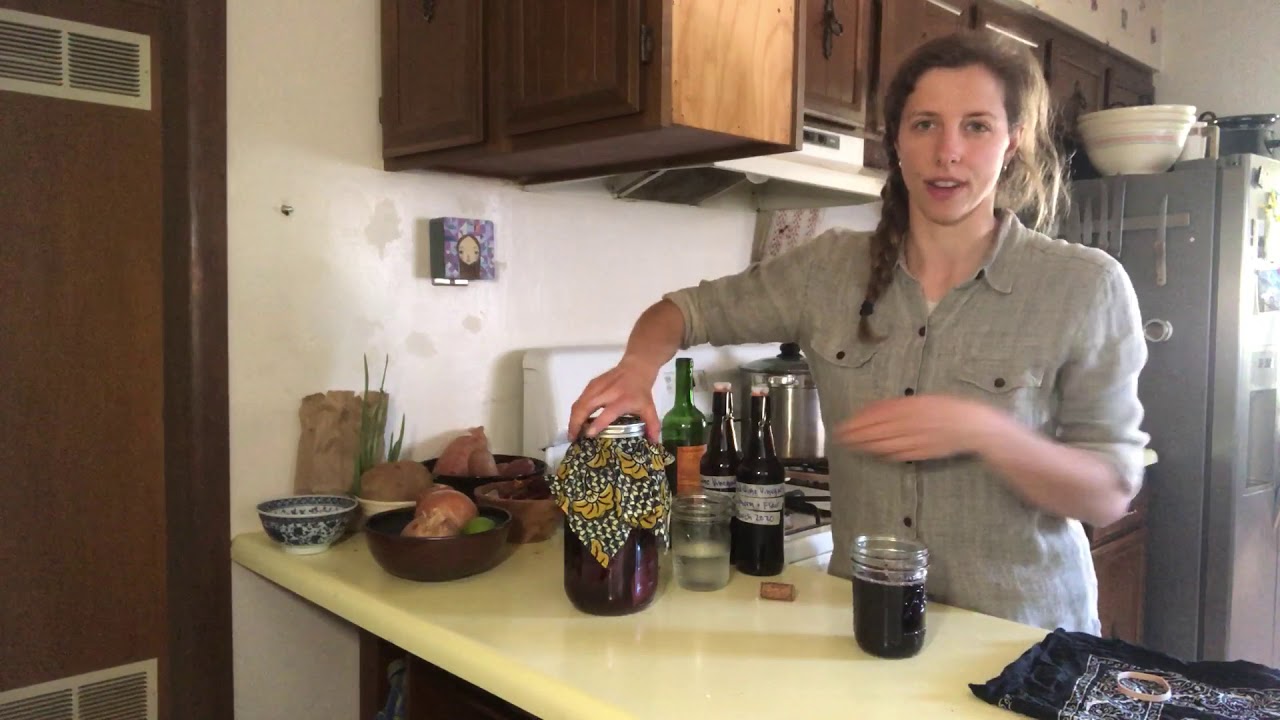
Cover the mouth of the jar with cheesecloth and secure it with a rubber band. This setup keeps out dust and insects while allowing air to enter. Place the jar in a warm, dark place, ideally between 60°F and 80°F (15°C to 27°C). Over the next few weeks, the vinegar mother will begin to consume the alcohol in the wine, converting it into acetic acid. Check on the mixture periodically; you may notice bubbles forming, indicating fermentation is taking place.
Step 3: Taste and Store
After about 3 to 4 weeks, taste the vinegar. If it has reached your desired level of acidity, it’s time to strain it. Remove the vinegar mother and any sediment by pouring the vinegar through a fine mesh strainer or cheesecloth into a clean bottle. Seal the bottle and store your homemade red wine vinegar in a cool, dark place. If you prefer a stronger flavor, you can allow it to ferment for longer before straining. Enjoy your homemade red wine vinegar in dressings, marinades, or as a flavorful addition to various dishes!
Common Mistakes to Avoid When Making Red Wine Vinegar
When venturing into the world of homemade red wine vinegar, it’s easy to make a few missteps that can affect the quality of your final product. One of the most common mistakes is using the wrong type of wine. Choosing a high-quality red wine is essential, as the flavor profile of the vinegar will closely mirror that of the wine used. Avoid wines with added sulfites or those that are overly sweet, as these can hinder the fermentation process.
Another frequent error is neglecting proper sanitation. Sanitizing your equipment is crucial to prevent unwanted bacteria from spoiling your vinegar. Ensure that all jars, utensils, and surfaces are thoroughly cleaned and sterilized before you begin. This simple step can make a significant difference in the quality of your vinegar and its overall safety.
Temperature control is also vital during the fermentation process. Many novice vinegar makers overlook the importance of maintaining an appropriate temperature range, which typically falls between 60°F to 80°F (15°C to 27°C). Too high or too low temperatures can slow down or completely halt the fermentation, leading to a less desirable product. Be sure to monitor the environment where your vinegar is fermenting to ensure optimal conditions.
Lastly, patience is key when making red wine vinegar. Rushing the fermentation process is a common pitfall. It’s important to allow the vinegar to ferment for a sufficient amount of time, which can take anywhere from a few weeks to several months. Regularly tasting your vinegar can help you determine when it has reached the desired acidity, but don’t be tempted to bottle it too soon. Allowing for a full fermentation cycle will yield a more complex and flavorful vinegar.
How to Store and Use Homemade Red Wine Vinegar
Storing homemade red wine vinegar properly is essential to maintain its flavor and quality. To ensure longevity, keep your vinegar in a cool, dark place, away from direct sunlight and heat sources. Use a clean, airtight glass bottle or jar, as glass does not react with the acidity of vinegar. Make sure to leave some air space at the top to allow for any potential fermentation. For optimal freshness, homemade red wine vinegar can be stored for up to a year, although its flavor may continue to evolve over time.
When it comes to using your homemade red wine vinegar, the culinary possibilities are vast. Here are some popular uses:
- Salad Dressings: Combine it with olive oil, herbs, and spices for a zesty vinaigrette.
- Marinades: Use it to tenderize and flavor meats, fish, or vegetables before grilling or roasting.
- Pickling: Incorporate it into pickling solutions for vegetables, adding a unique depth of flavor.
- Cooking: Add a splash to sauces, stews, or braises to enhance acidity and balance flavors.
For best results, taste your vinegar periodically as you use it in recipes. Homemade red wine vinegar can have varying levels of acidity and flavor intensity, so adjusting the quantity used in dishes may be necessary. Additionally, consider infusing your vinegar with herbs, spices, or fruits for added complexity. This not only enhances its flavor but also allows you to create unique culinary experiences tailored to your preferences.
See all our content in the Sitemaps or in our Vip Cheers Webmaps!
You read complete How to Make Red Wine Vinegar: Easy Step-by-Step Guide See more about liqueurs here Wine.
Leave a Reply