
Is Pinot Noir a White Wine? Discover the Truth Here!
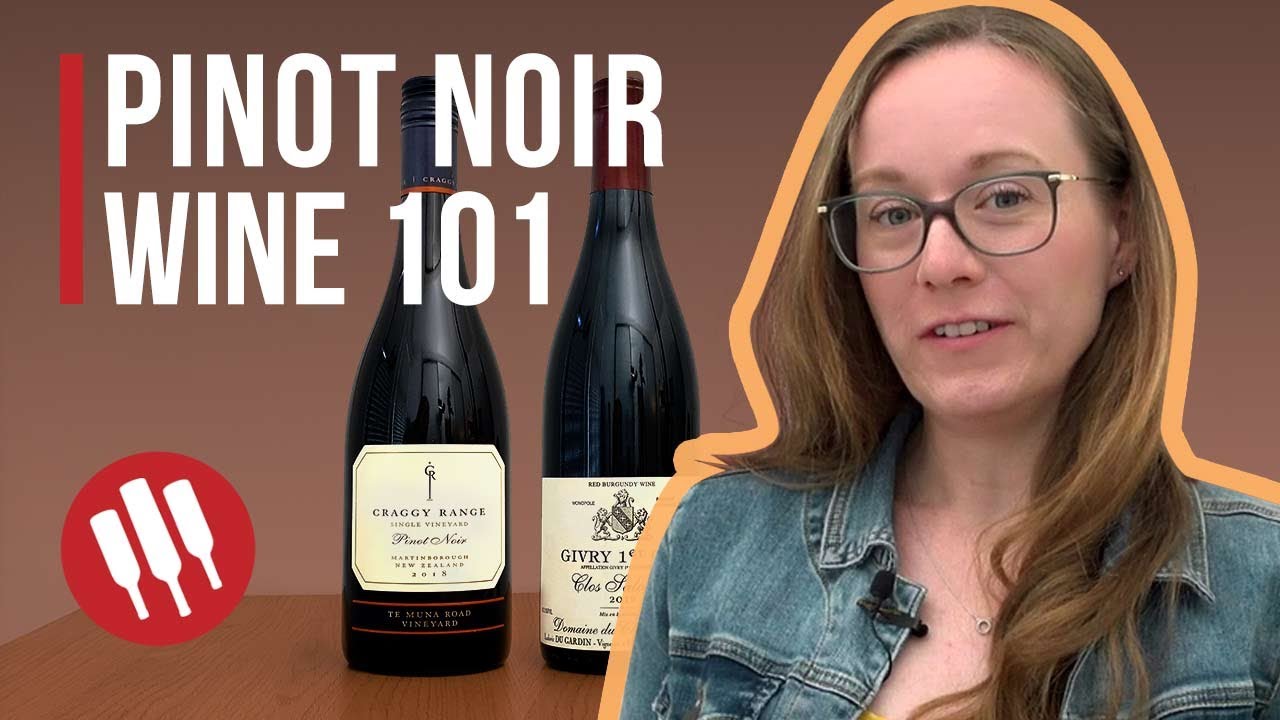
Understanding Pinot Noir: Is It a White Wine?
Pinot Noir is a renowned grape variety that is primarily used to produce red wine, making it a common misconception that it could be a white wine. The confusion often arises due to the versatility of the grape and the various wine styles that can be produced from it. To clarify, Pinot Noir is categorically a red wine, known for its light to medium body, delicate flavors, and smooth tannins.
One of the reasons for the misunderstanding about Pinot Noirs classification is its ability to be vinified in different ways. For instance, winemakers can create a white wine called "Blanc de Noirs" from Pinot Noir grapes by pressing the grapes gently and avoiding skin contact. This method allows the juice to be extracted without the pigments from the grape skins, resulting in a white wine. However, this is not the traditional or most common form of Pinot Noir, which retains its red characteristics.
Key Characteristics of Pinot Noir:
- Color: Typically a deep ruby red, though lighter shades can occur.
- Aroma: Commonly features notes of cherry, raspberry, and earthy undertones.
- Taste: Known for its smooth texture and flavors that range from fruity to savory.
- Tannins: Generally lower than other red wines, making it approachable and food-friendly.
While Pinot Noir can be made into white wines through specific winemaking techniques, it is fundamentally recognized as a red wine. Its popularity stems from its complex flavor profile and adaptability to various terroirs, making it a favorite among wine enthusiasts. Understanding these nuances can enhance your appreciation of Pinot Noir and its rightful place in the world of red wines.
The Characteristics of Pinot Noir: Red or White?
Pinot Noir is primarily known as a red wine, distinguished by its unique flavor profile and aromatic qualities. This grape variety thrives in cooler climates, producing wines that are light to medium-bodied with a vibrant acidity. The color of Pinot Noir is typically a pale ruby, setting it apart from more robust red wines like Cabernet Sauvignon. Its characteristics are influenced by factors such as terroir, winemaking techniques, and the specific clone of the grape used.
One of the defining features of Pinot Noir is its complex aroma. This wine often exhibits notes of red fruits such as cherry, raspberry, and strawberry, complemented by earthy undertones and hints of floral elements like rose petal. As Pinot Noir ages, it can develop more sophisticated flavors, including mushroom, leather, and spice. This evolution makes it a favorite among wine enthusiasts who appreciate the depth and nuance that come with time.
While Pinot Noir is predominantly recognized as a red wine, it can also be made into a white wine, known as "Blanc de Noir." This style is created by pressing the grapes gently to extract the juice while minimizing contact with the skins, which contain the pigment responsible for the red color. The resulting wine is typically crisp and refreshing, with citrus and stone fruit flavors, showcasing the versatility of the Pinot Noir grape.
In summary, the characteristics of Pinot Noir highlight its status as a premier red wine, with a rich tapestry of flavors and aromas. Whether enjoyed in its classic red form or as a unique white, Pinot Noir offers a distinctive tasting experience that appeals to a wide range of palates.
How Pinot Noir Differs from White Wines
Pinot Noir is a red wine grape variety known for its complex flavors and aromas, setting it apart from white wines. One of the primary differences lies in the grape skins. Pinot Noir grapes have dark skins, which contribute to the wines rich color and tannins. In contrast, white wines are typically made from green or yellow-skinned grapes, and the winemaking process often involves pressing the grapes before fermentation, which limits the contact with the skins. This fundamental difference in grape processing leads to distinct flavor profiles and textures between red and white wines.
Flavor Profiles
Pinot Noir is celebrated for its diverse flavor range, which can include notes of cherry, raspberry, and earthy undertones, along with a characteristic acidity. The presence of tannins from the skins adds structure and depth, creating a more robust mouthfeel. On the other hand, white wines often showcase brighter, crisper flavors such as citrus, apple, and floral notes, resulting in a lighter and more refreshing drinking experience. The absence of tannins in most white wines contributes to their smoothness and ease of consumption.
Food Pairing
When it comes to food pairing, Pinot Noirs versatility allows it to complement a wide variety of dishes, particularly those with rich flavors, such as duck, pork, and mushroom risottos. The acidity and complexity of Pinot Noir make it an excellent match for both savory and earthy dishes. In contrast, white wines are often paired with lighter fare, such as seafood, salads, and poultry, enhancing the freshness of these meals. The differing acidity levels and flavor characteristics of red and white wines dictate their ideal pairings, further highlighting their unique qualities.
Serving Temperature
Another key difference between Pinot Noir and white wines is the ideal serving temperature. Pinot Noir is best enjoyed slightly chilled, typically around 55-60°F (13-16°C), which helps to accentuate its flavors and aromas. White wines, on the other hand, are generally served colder, often between 45-50°F (7-10°C). This difference in serving temperature can significantly influence the tasting experience, affecting how flavors are perceived and enjoyed.
Common Misconceptions About Pinot Noir and White Wine
When it comes to wine, Pinot Noir and white wine often find themselves at the center of various misconceptions. One common myth is that all Pinot Noir wines are heavy and robust. In reality, Pinot Noir is known for its light to medium body and bright acidity, which can create a refreshing experience. This grape variety thrives in cooler climates, resulting in elegant wines with delicate fruit flavors and earthy undertones. Many enthusiasts appreciate its versatility, pairing well with a range of dishes, from grilled salmon to mushroom risotto.
Another prevalent misconception is that white wine is always sweeter than red wine. While some white wines, such as Riesling or Moscato, can indeed be sweet, many white varieties, including Chardonnay and Sauvignon Blanc, can be bone dry. Understanding the differences in sweetness levels across wine types is crucial for selecting the right bottle for your palate. Additionally, the perception that white wine is only meant to be served chilled is another myth; certain full-bodied whites can be enjoyed at warmer temperatures to highlight their complexity.
Many wine drinkers also assume that Pinot Noir must always be consumed young to enjoy its best flavors. While it’s true that many Pinot Noirs are delightful when young, some can benefit from aging. The tannins in Pinot Noir soften over time, allowing for the development of more complex flavors and aromas. This aging potential is often overlooked, leading to missed opportunities for savoring a more nuanced glass of wine.
Lastly, a common belief is that the only appropriate pairing for white wine is seafood. Although white wine does complement fish and shellfish beautifully, it can also enhance a variety of dishes. For instance, a rich Chardonnay can pair excellently with roasted chicken, while a zesty Sauvignon Blanc works well with salads and vegetable dishes. By broadening the understanding of wine pairings, drinkers can fully appreciate the diverse offerings of both Pinot Noir and white wine.
Conclusion: The Truth About Pinot Noir and Its Wine Classification
Pinot Noir is a grape variety that has captivated wine enthusiasts for centuries, known for its complexity and versatility. The classification of Pinot Noir can often be a point of confusion, as it varies significantly based on the region, winemaking techniques, and terroir. Understanding the nuances of Pinot Noir’s classification is essential for both casual drinkers and connoisseurs alike.
Key factors influencing the classification of Pinot Noir include:
- Region: The origin of the grapes plays a pivotal role in defining the wine’s characteristics. For instance, Pinot Noir from Burgundy, France, is often revered for its elegance, while those from California may exhibit bolder fruit flavors.
- Winemaking Techniques: The methods employed during fermentation and aging can significantly affect the wine’s profile. Techniques such as whole cluster fermentation or the use of new oak barrels can enhance complexity and depth.
- Terroir: The unique environmental factors of a vineyard, including soil composition, climate, and altitude, contribute to the distinct flavor profile of Pinot Noir. Each terroir imparts its own signature, making classification a more intricate process.
Another important aspect of Pinot Noir classification is its style. From light-bodied, fruit-forward wines to more robust, earthy versions, the diversity within Pinot Noir can be astounding. This variety allows for a wide range of food pairings and personal preferences, making it a beloved choice among wine drinkers. As consumers become more educated about wine, understanding these classifications helps to enhance their appreciation and enjoyment of Pinot Noir.
Ultimately, the truth about Pinot Noir and its wine classification lies in its complexity and the myriad factors that influence its production. By exploring the various regions, winemaking practices, and terroirs, wine lovers can gain a deeper understanding of what makes each bottle of Pinot Noir unique.
See all our content in the Sitemaps or in our Vip Cheers Webmaps!
You read complete Is Pinot Noir a White Wine? Discover the Truth Here! See more about liqueurs here Wine.
Leave a Reply