
How to Ship a Bottle of Wine: Expert Tips for Safe Delivery
Understanding the Legalities of Shipping Wine
Shipping wine can be a complex process due to the various legal regulations that govern its transportation. Each state in the U.S. has its own set of laws regarding the shipment of alcoholic beverages, including wine. This means that what is permissible in one state may not be legal in another. Therefore, it’s crucial for individuals and businesses to be aware of these regulations to avoid potential legal issues.
Key considerations when shipping wine include:
- State Laws: Each state has specific laws about who can ship wine and to whom. Some states allow direct-to-consumer shipping, while others may require a licensed distributor.
- Age Verification: Most states require that the recipient be at least 21 years old. Shipping companies often have policies in place to verify the recipients age upon delivery.
- Tax Regulations: There may be taxes and fees associated with shipping wine, which can vary by state. Understanding these financial obligations is essential for compliance.
- Shipping Carrier Policies: Different carriers have different rules regarding the shipment of alcohol. It’s important to choose a carrier that is experienced in handling wine shipments and is compliant with all regulations.
Additionally, when shipping wine across state lines, it’s essential to be aware of interstate commerce laws. The Alcohol and Tobacco Tax and Trade Bureau (TTB) regulates the interstate shipment of alcohol, which includes wine. Depending on the destination state, you may need to apply for permits or licenses before shipping. This can involve a detailed understanding of both federal and state regulations, making it advisable to consult with a legal expert or shipping professional who specializes in alcohol logistics.
Moreover, some states have enacted specific shipping laws that may include restrictions on the quantity of wine that can be shipped or specific labeling requirements. For instance, states like California and New York have more lenient laws, while others, like Utah and Alabama, have stricter regulations. Understanding these nuances can help ensure that your wine shipment complies with all legal requirements, thus avoiding fines or legal action.
Best Practices for Packing a Bottle of Wine for Shipping
When it comes to shipping wine, proper packing is essential to ensure that your precious bottles arrive safely at their destination. The first step in this process is selecting the right materials. A sturdy box specifically designed for shipping wine is crucial, as it provides the necessary support and protection. These boxes often come with dividers that keep bottles from clinking against each other, minimizing the risk of breakage during transit.
Here are some key materials you should consider:
- Wine Shipping Boxes: Opt for double-walled cardboard boxes that can withstand the rigors of shipping.
- Protective Padding: Use bubble wrap, foam sleeves, or packing peanuts to cushion the bottles inside the box.
- Sealant: High-quality packing tape is essential for securely sealing the box and preventing it from opening during transit.
Once you have your materials ready, it’s time to pack the wine. Start by wrapping each bottle in protective padding, ensuring that the entire surface is covered. Place the wrapped bottles upright in the shipping box, using dividers if available. If your box doesn’t come with dividers, make sure to create a buffer between each bottle using additional padding or crumpled paper to prevent movement. Filling any empty spaces with packing material is also vital, as it prevents the bottles from shifting during transport.
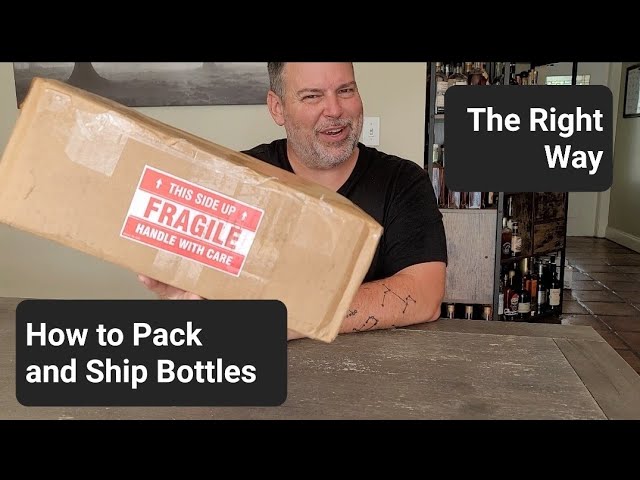
Finally, seal the box securely with packing tape, reinforcing the seams and edges. It’s advisable to label the box as “Fragile” and indicate which side should be kept upright. If shipping internationally, make sure to comply with any regulations regarding the transport of alcohol, including proper labeling and documentation. Following these best practices will greatly reduce the risk of damage and ensure your wine arrives in perfect condition.
Choosing the Right Shipping Carrier for Your Wine
When it comes to shipping wine, selecting the right carrier is crucial to ensure that your bottles arrive safely and in perfect condition. Different carriers offer varying services, rates, and levels of expertise in handling delicate items like wine. It’s essential to consider a few key factors before making your decision.
1. Specialized Wine Shipping Services
Some carriers specialize in wine shipping and have tailored solutions to accommodate the unique needs of wine transport. These companies understand the importance of temperature control and proper packaging. They often provide insulated containers and climate-controlled vehicles to protect your wine from extreme temperatures. Research carriers like UPS Wine and FedEx Wine, which have dedicated services for shipping wine.
2. Insurance and Liability
Wine can be a significant investment, so it’s important to choose a shipping carrier that offers adequate insurance options. Look for carriers that provide coverage for loss or damage during transit. Understanding the liability policies of different carriers can give you peace of mind, ensuring that you are financially protected in case of any mishaps.
3. Delivery Speed and Reliability
The speed of delivery can also impact the quality of the wine upon arrival. Delays can expose your wine to temperature fluctuations, which can affect its taste and integrity. Research the average delivery times for various carriers and read reviews to assess their reliability. Choosing a carrier known for timely deliveries can help maintain the quality of your wine.
In addition to these factors, consider the shipping rates and any additional fees associated with wine transport. Some carriers may charge extra for special handling or temperature-controlled shipping. Comparing costs alongside the services offered will help you find the best option that suits your needs and budget.
How to Calculate Shipping Costs for Wine Delivery
Calculating shipping costs for wine delivery involves several key factors that can significantly impact the final price. Understanding these elements will help you estimate costs accurately and ensure that your customers receive transparent pricing. The primary components to consider include distance, weight, packaging, and any applicable regulations.
1. Distance: The shipping distance is a crucial factor in determining costs. The further the wine has to travel, the higher the shipping fee will likely be. Many shipping carriers have different rates based on zones, so its essential to identify the distance from your location to the delivery address. Utilize online shipping calculators provided by carriers to get an estimate based on the origin and destination.
2. Weight: The weight of the wine bottles and packaging also plays a significant role in calculating shipping costs. Most carriers charge based on the dimensional weight, which considers both the actual weight and the size of the package. To get an accurate estimate, weigh your wine bottles along with their packaging and enter this information into the shipping calculator. Remember, heavier packages typically incur higher shipping fees.
3. Packaging: Proper packaging is essential for wine delivery to prevent breakage and ensure compliance with shipping regulations. Using specialized wine shipping boxes can add to your costs but may be necessary for safe delivery. Some carriers may also have specific requirements for wine packaging that could influence the overall shipping expense. It’s wise to factor in these costs when calculating the final shipping price.
4. Regulations: Different states and countries have varying regulations regarding the shipment of alcohol. This can affect shipping costs due to additional taxes or fees imposed by local governments. Research the regulations for both the shipping origin and destination to avoid unexpected expenses. Additionally, some carriers may charge extra for handling alcohol shipments, so be sure to account for these potential costs in your calculations.
Tips for Ensuring Your Wine Arrives Safely and in Perfect Condition
When it comes to shipping wine, ensuring it arrives safely and in perfect condition requires careful planning and attention to detail. Here are some essential tips to help you navigate the process effectively.
1. Choose the Right Packaging
Using appropriate packaging is crucial for protecting your wine during transit. Consider the following options:
- Specialized Wine Shipping Boxes: These boxes are designed with dividers to prevent bottles from clinking against each other.
- Bubble Wrap: Wrap each bottle in bubble wrap for extra cushioning and protection from shocks.
- Insulation: Use insulated packaging to help maintain a consistent temperature, especially for long-distance shipments.
2. Be Mindful of Temperature
Temperature fluctuations can adversely affect the quality of wine. To prevent spoilage, keep these points in mind:
- Seasonal Considerations: Avoid shipping during extreme temperatures, whether hot or cold.
- Temperature-Controlled Shipping: If available, opt for temperature-controlled shipping options to maintain ideal conditions.
- Monitor Weather Conditions: Check the weather forecast for both the shipping and receiving locations to plan accordingly.
3. Labeling and Documentation
Proper labeling and documentation are essential for a smooth shipping process. Make sure to:
- Clearly Label Packages: Include the words "Fragile" and "This Side Up" to alert handlers.
- Include a Packing Slip: Provide a detailed packing slip that lists the contents of the package.
- Comply with Regulations: Be aware of and comply with local and international shipping regulations for alcohol.
By following these tips, you can significantly increase the chances of your wine arriving safely and in perfect condition, ensuring that every bottle reaches its destination ready to be enjoyed.
See all our content in the Sitemaps or in our Vip Cheers Webmaps!
You read complete How to Ship a Bottle of Wine: Expert Tips for Safe Delivery See more about liqueurs here Wine.
Leave a Reply