
How Do I Remove Wine Stains? Effective Tips & Tricks!
- Understanding Wine Stains: What You Need to Know
- Effective Home Remedies for Removing Wine Stains
- Step-by-Step Guide: How Do I Remove Wine Stains from Fabric?
- Preventing Wine Stains: Tips for Keeping Your Clothes and Upholstery Safe
- Professional Solutions: When to Call an Expert for Wine Stain Removal
Understanding Wine Stains: What You Need to Know
Wine stains can be a common yet frustrating occurrence, especially for those who enjoy a glass of red or white during social gatherings. Understanding the nature of these stains is crucial for effective removal and prevention. Wine contains pigments and tannins that can easily penetrate fabric fibers, making them notoriously difficult to eliminate. Knowing the science behind these stains can empower you to tackle them head-on.
Types of Wine Stains
There are primarily two types of wine stains: red wine and white wine stains. Each type has unique characteristics:
- Red Wine Stains: These stains are typically darker and more pigmented due to the presence of anthocyanins, which are compounds found in grape skins. They can leave behind a deep, noticeable mark on clothing, upholstery, or carpets.
- White Wine Stains: While often less visible, white wine stains can still be problematic. They may contain sugars and acids that can attract dirt, leading to discoloration over time.
Factors Influencing Stain Severity
Several factors can influence the severity of wine stains, including the type of fabric, the age of the stain, and the amount of wine spilled. Natural fibers like cotton and linen are more susceptible to staining compared to synthetic materials. Additionally, older stains become more challenging to remove as they set into the fabric. Understanding these factors can help you assess the best approach for stain removal.
Immediate Actions for Wine Stains
When faced with a wine stain, time is of the essence. The quicker you act, the better your chances of complete removal. Here are some immediate steps you can take:
- Blot, Don’t Rub: Gently blot the stain with a clean cloth to absorb excess wine. Rubbing can push the stain deeper into the fibers.
- Use Cold Water: Rinse the stained area with cold water to dilute the wine. Avoid hot water, as it can set the stain.
- Apply Salt or Baking Soda: These household items can help absorb the wine and prevent it from setting.
By understanding the intricacies of wine stains, you can better equip yourself to handle any spills that may occur. Whether youre at home or out enjoying a meal, having this knowledge will help you keep your fabrics looking their best.
Effective Home Remedies for Removing Wine Stains
Wine stains can be a real headache, but with the right home remedies, you can tackle them effectively without the need for expensive cleaning products. Here are some tried-and-true methods that can help you restore your fabric or carpet to its original state.
1. Salt and Cold Water
One of the simplest and most effective remedies for wine stains involves using salt and cold water. Start by blotting the stain with a clean cloth to absorb as much wine as possible. Then, sprinkle a generous amount of salt directly onto the stain. The salt will absorb the wine, helping to lift the stain from the fabric. After letting it sit for about 10 minutes, rinse the area with cold water and blot dry.
2. Baking Soda Paste
Baking soda is another powerful stain remover that can work wonders on wine stains. To create a baking soda paste, mix three parts baking soda with one part water. Apply this paste directly onto the stained area and let it sit for 30 minutes. The baking soda will absorb the stain, making it easier to remove. Afterward, rinse with cold water and blot dry.
3. White Vinegar and Dish Soap
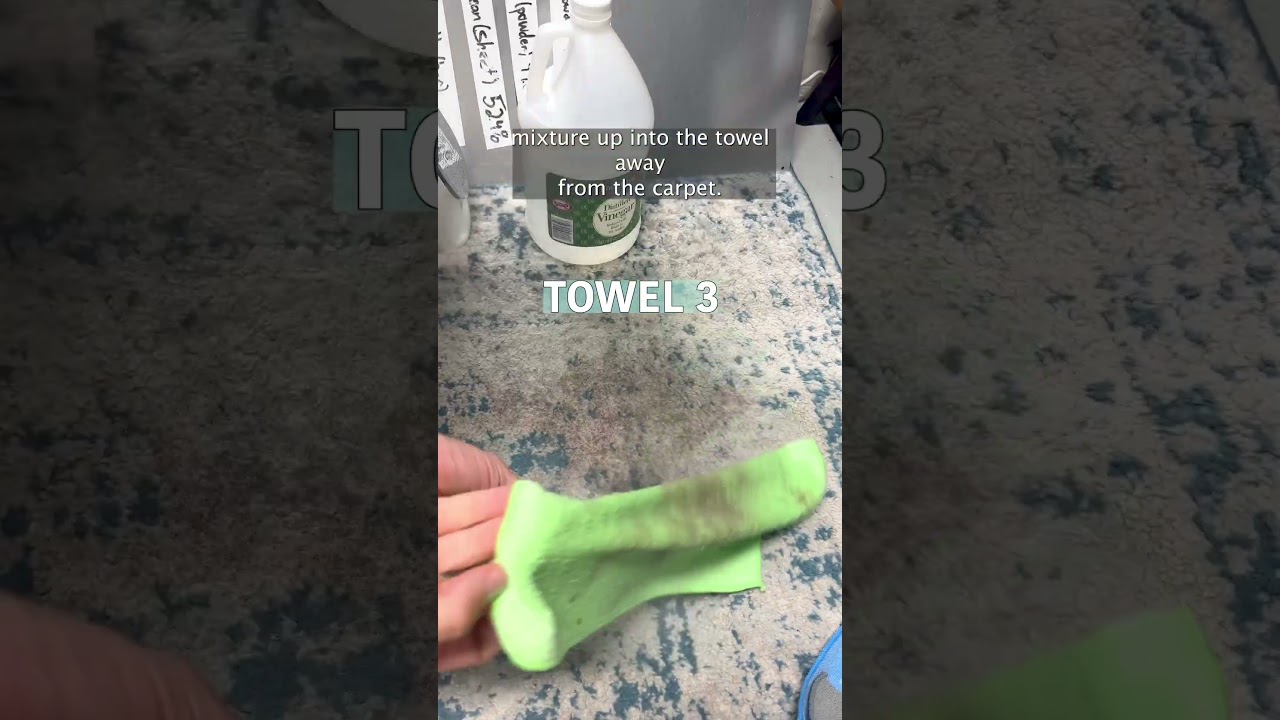
Combining white vinegar and dish soap is an effective solution for removing stubborn wine stains. Mix one cup of white vinegar with one cup of water and a few drops of dish soap in a bowl. Dampen a clean cloth with this mixture and gently blot the stain. The vinegar will help break down the stain, while the dish soap will lift it from the fabric. Rinse with cold water after treating the stain and blot until dry.
By utilizing these home remedies, you can effectively tackle wine stains and keep your fabrics looking their best. Remember to act quickly, as the sooner you treat a stain, the easier it will be to remove.
Step-by-Step Guide: How Do I Remove Wine Stains from Fabric?
Removing wine stains from fabric can seem daunting, but with the right approach and materials, you can effectively restore your fabric to its original condition. Follow this step-by-step guide to tackle those pesky wine stains with ease.
Step 1: Blot the Stain
The first crucial step in removing a wine stain is to act quickly. Use a clean, dry cloth or paper towel to gently blot the stain. Avoid rubbing, as this can spread the stain further. Instead, press down on the fabric to absorb as much wine as possible. Repeat this process until no more liquid transfers to your cloth.
Step 2: Apply Salt or Baking Soda
Once youve blotted the stain, its time to use an absorbent material. Sprinkle a generous amount of salt or baking soda directly onto the stain. Both of these substances help absorb the wine and prevent it from setting. Allow it to sit for about 5-10 minutes before gently brushing off the residue.
Step 3: Use a Stain Remover
After the initial treatment, apply a stain remover that is safe for the specific type of fabric. Follow the instructions on the product label, ensuring that you cover the stained area thoroughly. If you prefer a DIY solution, a mixture of equal parts white vinegar and dish soap can be effective. Let the solution sit for 15-30 minutes to penetrate the fibers.
Step 4: Wash and Dry
Finally, wash the fabric in the hottest water safe for the material. Check the care label for guidance. After washing, inspect the fabric to ensure the stain is completely gone before drying. If the stain persists, repeat the previous steps. Avoid placing the fabric in the dryer until the stain is fully removed, as heat can set the stain permanently.
Preventing Wine Stains: Tips for Keeping Your Clothes and Upholstery Safe
Wine stains can be a nightmare, especially when they affect your favorite clothes or upholstery. Fortunately, there are several proactive measures you can take to minimize the risk of staining. Here are some effective tips to keep your textiles safe from the clutches of red and white wine spills.
Choose the Right Fabrics
One of the best ways to prevent wine stains is to opt for fabrics that are less absorbent. Consider the following materials for clothing and upholstery:
- Microfiber: This synthetic fabric is known for its stain-resistant properties.
- Denim: A durable fabric that can withstand spills and is easier to clean.
- Polyester blends: These materials are often treated to repel liquids.
Implement Preventive Measures
Taking a few precautionary steps can save your clothes and upholstery from wine stains. Here are some strategies to consider:
- Use Coasters: Always place coasters under wine glasses to catch drips and spills.
- Designate a Wine Area: Limit wine consumption to specific areas that are easier to clean.
- Wear Protective Clothing: If you’re hosting a wine event, consider wearing aprons or older clothes that you won’t mind staining.
Act Quickly on Spills
In the event of a spill, your response time is crucial. Follow these steps to effectively manage any wine mishaps:
- Blot, Don’t Rub: Use a clean cloth to blot the stain gently, absorbing as much wine as possible.
- Use Salt or Baking Soda: Sprinkling these substances can help absorb the liquid before it sets.
- Rinse with Cold Water: If the fabric allows, rinse the stained area with cold water immediately after the spill.
By implementing these preventive strategies and acting quickly in case of a spill, you can significantly reduce the risk of wine stains ruining your clothes and upholstery.
Professional Solutions: When to Call an Expert for Wine Stain Removal
When faced with a stubborn wine stain, knowing when to call in an expert can save both time and frustration. While many wine stains can be treated at home with DIY methods, some situations require the expertise of a professional cleaner to avoid further damage to your fabrics or surfaces. Understanding the severity and nature of the stain is crucial in making this decision.
Indicators that it’s Time to Seek Professional Help:
- Stains on Delicate Fabrics: If the wine spill occurs on delicate materials like silk or wool, its best to consult a professional who can use specialized techniques to remove the stain without causing damage.
- Old or Set-in Stains: Wine stains that have dried or set in can be particularly challenging to remove. An expert has access to advanced cleaning agents and methods that can effectively treat these stubborn marks.
- Large Areas Affected: If the wine spill has affected a large area, such as a carpet or upholstery, attempting to clean it yourself may lead to uneven results. Professionals have the equipment and experience to handle extensive stains more effectively.
- Persistent Odor: If the wine stain has left a lingering odor, a professional cleaning service can address both the stain and the smell, ensuring that your space is refreshed.
Choosing to hire a professional can also provide peace of mind, knowing that your valuable fabrics or surfaces are in capable hands. Professionals are trained to identify the best cleaning solutions for different types of materials and stains, ensuring a thorough and safe cleaning process. Additionally, they often offer guarantees on their work, giving you confidence in the results.
In summary, while DIY methods can be effective for minor wine stains, certain situations warrant the expertise of a professional. By recognizing the signs that indicate the need for expert assistance, you can ensure that your wine stain is handled properly and effectively, preserving the integrity of your belongings.
See all our content in the Sitemaps or in our Vip Cheers Webmaps!
You read complete How Do I Remove Wine Stains? Effective Tips & Tricks! See more about liqueurs here Wine.
Leave a Reply