
How to Open a Wine Bottle with a Corkscrew: Step-by-Step Guide
- Understanding the Basics: What You Need to Open a Wine Bottle with a Corkscrew
- Step-by-Step Guide: How to Open a Wine Bottle with a Corkscrew
- Common Mistakes to Avoid When Using a Corkscrew to Open Wine
- Choosing the Right Corkscrew: Different Types and Their Uses
- Tips and Tricks for Effortlessly Opening Wine with a Corkscrew
Understanding the Basics: What You Need to Open a Wine Bottle with a Corkscrew
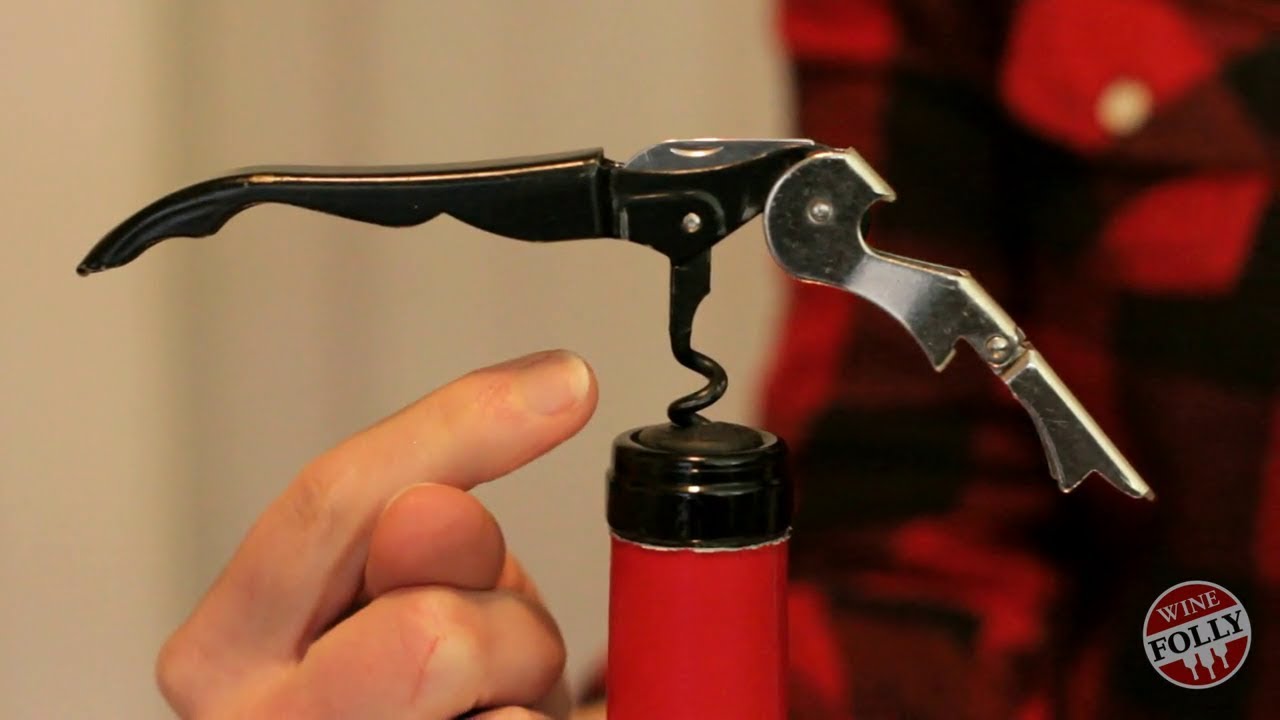
Opening a wine bottle with a corkscrew is a fundamental skill for wine enthusiasts and casual drinkers alike. To successfully open a bottle, you will need a few essential tools and some basic knowledge about the process. The primary tool is, of course, the corkscrew itself, which comes in various styles, including the traditional waiters corkscrew, the winged corkscrew, and the electric corkscrew. Each type has its own unique mechanism, but they all serve the same purpose: to remove the cork from the bottle.
Essential Tools for Opening a Wine Bottle:
- Corkscrew: Choose one that feels comfortable in your hand. The waiters corkscrew is popular for its compact design and multi-functionality.
- Wine Bottle: Make sure the bottle is standing upright to avoid sediment disturbance, especially in older wines.
- Glasses: Have your wine glasses ready for pouring once the bottle is opened.
- Optional Accessories: A foil cutter can be useful for removing the capsule at the top of the bottle, and a wine pourer can enhance the pouring experience.
To begin the process, first, ensure that you have a stable surface to work on. Place the wine bottle on a flat area and, if necessary, remove any foil or wax covering the cork using a foil cutter or knife. Position the corkscrew over the cork, and carefully twist it into the cork by turning the handle clockwise. With a waiters corkscrew, you will need to leverage the handle against the bottles lip to pull the cork out smoothly.
It’s essential to apply steady pressure while twisting the corkscrew, as this helps to avoid breaking the cork. Once the cork is partially out, you can gently pull it the rest of the way using your hand or by continuing to use the corkscrews leverage. By understanding these basic steps and having the right tools on hand, you can enjoy a bottle of wine with ease, enhancing your overall wine experience.
Step-by-Step Guide: How to Open a Wine Bottle with a Corkscrew
Opening a wine bottle with a corkscrew is a skill that every wine enthusiast should master. Whether youre celebrating a special occasion or simply enjoying a quiet evening at home, knowing how to properly use a corkscrew ensures that you can enjoy your wine without any hassle. Follow this step-by-step guide to make the process smooth and effortless.
Step 1: Gather Your Tools
Before you begin, make sure you have the following items ready:
- A corkscrew: Choose a standard waiters corkscrew, a lever corkscrew, or an electric corkscrew based on your preference.
- A wine bottle: Ensure the bottle is upright and on a stable surface.
- A napkin or cloth: This can be handy for wiping the neck of the bottle or for a better grip.
Step 2: Prepare the Wine Bottle
Start by removing any foil or capsule covering the cork. Use the small knife attached to your corkscrew (if available) to cut the foil just below the lip of the bottle. This prevents any bits of foil from falling into your wine. Once the foil is removed, ensure that the neck of the bottle is clean and dry, which will help with the cork extraction.
Step 3: Insert the Corkscrew
Position the tip of the corkscrew at the center of the cork. Apply gentle pressure as you twist the handle to insert the corkscrew into the cork. For a standard corkscrew, turn the handle clockwise while keeping the base of the corkscrew pressed against the cork. Continue twisting until only one curl of the screw remains above the cork, ensuring a firm grip for extraction.
Step 4: Remove the Cork
Once the corkscrew is securely embedded in the cork, its time to remove it. If youre using a lever corkscrew, gently pull the lever down to extract the cork. For a waiters corkscrew, use the leverage from the handle to pull the cork out slowly. If you encounter resistance, wiggle the cork slightly to help it come out smoothly. After the cork is removed, enjoy your wine!
Common Mistakes to Avoid When Using a Corkscrew to Open Wine
Opening a bottle of wine should be a simple and enjoyable experience, but many people make common mistakes when using a corkscrew that can lead to frustration or even spoil the wine. Understanding these pitfalls can enhance your wine experience and prevent damage to both the cork and the bottle.
1. Not Choosing the Right Corkscrew
One of the most significant mistakes is using the wrong type of corkscrew for the wine bottle. There are various corkscrew designs, including the traditional waiters corkscrew, winged corkscrew, and electric corkscrew. Each has its own method of operation, and using one that you are unfamiliar with can result in broken corks or spilled wine. Always ensure you are comfortable with the corkscrew you are using, and consider investing in a high-quality model for a smoother experience.
2. Applying Excessive Force
Many wine enthusiasts mistakenly believe that brute strength is the key to removing a cork. In reality, applying excessive force can lead to cork breakage or pieces of cork falling into the wine. It’s essential to apply a steady, controlled pressure while twisting the corkscrew into the cork. Allow the tool to do the work, and if the cork feels stuck, try gently twisting it back and forth to loosen it before attempting to pull it out.
3. Failing to Remove the Foil Properly
Another common mistake is neglecting to remove the foil capsule covering the cork. This can lead to a messy situation, where the corkscrew gets caught on the foil, making it difficult to extract the cork cleanly. Always take a moment to cut the foil just below the lip of the bottle using a foil cutter or the knife blade on your corkscrew. This simple step ensures a smoother opening process and prevents any potential contamination from the foil.
4. Not Angling the Corkscrew Correctly
When inserting the corkscrew, its crucial to angle it properly. A common error is inserting the corkscrew straight down, which can cause the cork to break or crumble. Instead, angle the corkscrew slightly towards the center of the bottle and ensure that it is inserted straight into the cork. This technique helps maintain the integrity of the cork and provides a cleaner extraction, allowing you to enjoy your wine without hassle.
Choosing the Right Corkscrew: Different Types and Their Uses
When it comes to opening a bottle of wine, selecting the right corkscrew can significantly enhance your experience. There are several types of corkscrews available, each designed with specific features that cater to different preferences and bottle types. Understanding the various options will help you make an informed choice that suits your needs.
1. Waiters Corkscrew
The waiters corkscrew, also known as a sommelier knife, is a versatile tool favored by many wine enthusiasts. It typically includes a knife for cutting foil, a corkscrew, and a lever for ease of use. Its compact size makes it perfect for both home use and travel. To use this corkscrew, you simply cut the foil, insert the screw into the cork, and leverage the handle against the bottles lip to extract the cork smoothly.
2. Winged Corkscrew
The winged corkscrew, or butterfly corkscrew, features two levers that rise as the cork is twisted out of the bottle. This design provides a user-friendly experience, making it ideal for beginners or those with limited hand strength. Simply insert the screw into the cork, twist the handle, and watch the wings rise as the cork is removed. This type is particularly useful for larger bottles or when speed is essential.
3. Electric Corkscrew
For those seeking convenience, an electric corkscrew is an excellent choice. With just the push of a button, this device can effortlessly remove corks from bottles, making it a perfect option for gatherings or individuals with mobility challenges. Electric corkscrews often come with built-in rechargeable batteries, ensuring they are always ready for use. They are available in various designs and colors, allowing you to choose one that complements your kitchen or bar.
4. Lever Corkscrew
The lever corkscrew operates using a lever mechanism that provides excellent leverage for extracting corks with minimal effort. This type is particularly effective for older or fragile corks, as it reduces the risk of breakage. To use a lever corkscrew, you place the device on the bottle, pull the lever down to insert the screw, and then pull the lever back up to extract the cork smoothly. This corkscrew is a favorite among wine connoisseurs for its efficiency and ease of use.
Tips and Tricks for Effortlessly Opening Wine with a Corkscrew
Opening a bottle of wine with a corkscrew can sometimes feel like an art form. However, with a few tips and tricks, you can make the process smooth and effortless. First, ensure that you have the right corkscrew for the job. There are various types available, including the traditional waiters corkscrew, winged corkscrew, and electric corkscrew. Each has its own method of use, so familiarizing yourself with your chosen tool is essential for a successful uncorking experience.
Preparation is Key: Before you begin, take a moment to prepare the bottle. Start by removing any foil or wax seal at the top of the bottle. Use a foil cutter or a knife to make a clean cut around the neck. This not only makes it easier to insert the corkscrew but also ensures that no debris falls into your wine. Once the top is clear, wipe the neck of the bottle with a clean cloth to remove any dust or residue.
Proper Insertion Technique: When using a corkscrew, proper insertion is crucial. Hold the bottle firmly with one hand while using the other to insert the corkscrew. Position the tip of the corkscrew at the center of the cork and apply gentle pressure as you twist it in a clockwise direction. Make sure to insert the corkscrew straight down to avoid breaking the cork. If you encounter resistance, stop and adjust your angle before continuing.
Effortless Removal: Once the corkscrew is fully inserted, its time to remove the cork. If youre using a winged corkscrew, simply press down on the wings to lift the cork out of the bottle. For a waiters corkscrew, leverage the handle against the bottles lip while gently pulling upward. This technique minimizes the risk of breaking the cork and makes the process feel almost effortless. If you find the cork is particularly stubborn, try twisting it slightly while pulling to help it release.
See all our content in the Sitemaps or in our Vip Cheers Webmaps!
You read complete How to Open a Wine Bottle with a Corkscrew: Step-by-Step Guide See more about liqueurs here Wine.
Leave a Reply