
How to Open Wine with a Cork: Easy Step-by-Step Guide
- Understanding the Basics: What You Need to Open Wine with a Cork
- Step-by-Step Guide: How to Open Wine with a Cork Using a Corkscrew
- Alternative Methods: Creative Ways to Open Wine Without a Corkscrew
- Common Mistakes to Avoid When Opening Wine with a Cork
- Tips for Storing and Handling Wine to Prevent Cork Damage
Understanding the Basics: What You Need to Open Wine with a Cork
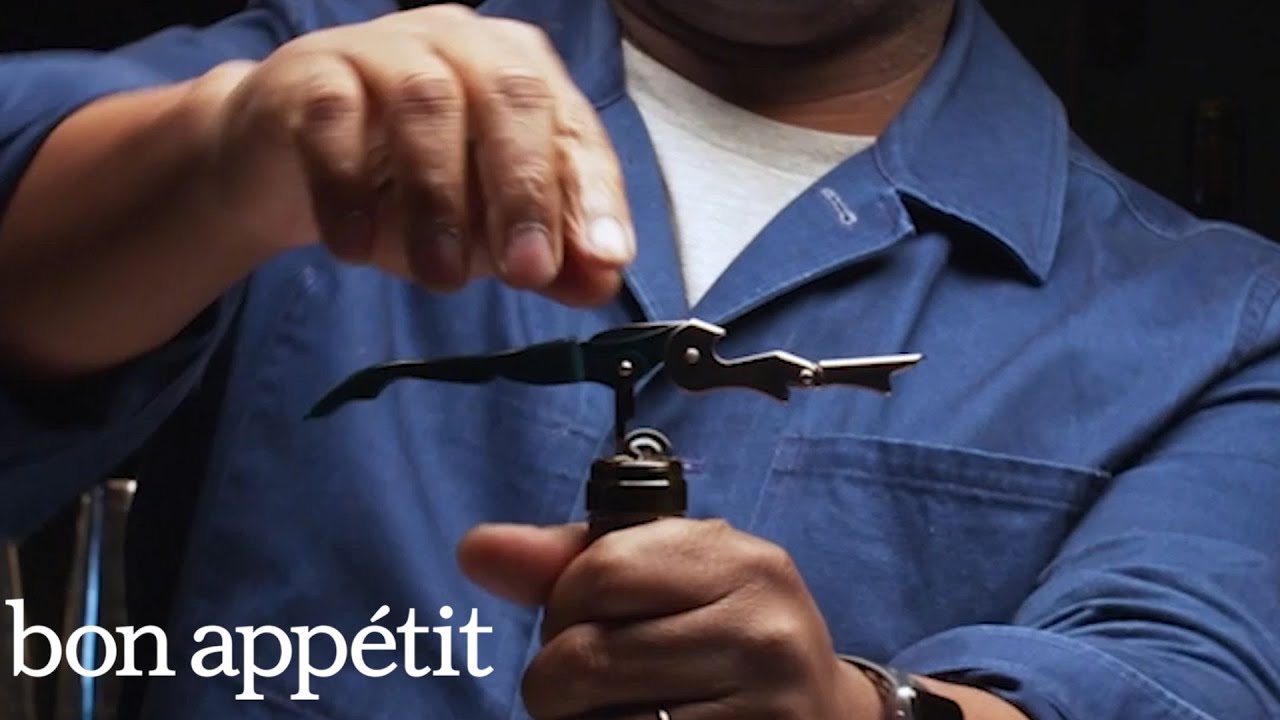
Opening a bottle of wine with a cork may seem like a straightforward task, but having the right tools and understanding the process can make it much easier. To successfully open a wine bottle, you will need a few essential items. The most critical tool is a corkscrew, which comes in various designs, including the traditional waiters corkscrew, the winged corkscrew, and the electric corkscrew. Each type has its own advantages, so it’s worth considering which one best fits your needs.
Here’s a quick list of essential tools for opening a corked wine bottle:
- Corkscrew: The primary tool used to extract the cork.
- Wine Bottle: Ensure the wine bottle is upright and stable.
- Napkin or Cloth: Useful for wiping the bottle neck or cleaning up any spills.
- Wine Glass: To pour and enjoy your wine once opened.
Before you begin, it’s also important to prepare the bottle properly. Start by removing the foil capsule covering the cork. This can typically be done with a small knife that is often included with corkscrews or a foil cutter. After removing the foil, inspect the cork for any signs of damage or seepage, as this can affect the wine’s quality. Once prepared, hold the bottle firmly on a flat surface and insert the corkscrew into the center of the cork, twisting it in until the screw is adequately embedded.
Finally, when it’s time to extract the cork, use a gentle but steady upward motion to pull it out. If youre using a winged corkscrew, simply press down on the wings to lift the cork out. If you encounter resistance, do not force it, as this could break the cork and potentially spoil your wine experience. With these basic tools and techniques, opening a bottle of wine with a cork can be a simple and enjoyable process.
Step-by-Step Guide: How to Open Wine with a Cork Using a Corkscrew
Opening a bottle of wine can be a delightful experience, but it requires the right technique, especially when using a corkscrew. Follow this step-by-step guide to ensure you open your wine bottle smoothly and without any hassle.
Step 1: Gather Your Tools
Before you begin, make sure you have everything you need:
- A bottle of wine
- A corkscrew (preferably a waiters corkscrew for ease of use)
- A napkin or cloth (optional, for wiping the bottle)
Step 2: Prepare the Bottle
Start by removing any foil or seal that covers the cork. Use the small knife often included with your corkscrew to cut around the neck of the bottle just below the lip. This will help prevent any foil from falling into the wine when you pour. After removing the foil, wipe the neck of the bottle with a napkin or cloth to ensure its clean.
Step 3: Insert the Corkscrew
Position the tip of the corkscrew at the center of the cork. Firmly press it down and twist the corkscrew into the cork, making sure to keep it straight. Most corkscrews have a spiral that allows you to twist the corkscrew deeper into the cork; aim for about 4-5 twists.
Step 4: Remove the Cork
Once the corkscrew is securely in the cork, leverage the corkscrew handle against the lip of the bottle. Gently pull upward while continuing to twist the corkscrew. The cork should start to rise out of the bottle. Be patient, as pulling too hard can break the cork. Once the cork is nearly out, you can usually remove it by hand.
Following these steps will help you enjoy your wine without the frustration of a broken cork or spilled wine.
Alternative Methods: Creative Ways to Open Wine Without a Corkscrew
Opening a bottle of wine without a corkscrew might seem daunting, but there are several creative methods you can employ to enjoy your favorite vintage. Whether you’re at a picnic, a party, or just at home without the right tools, these techniques can help you uncork that bottle with ease.
1. The Shoe Method
One of the most popular alternative methods is the shoe technique. To use this method, place the bottom of the wine bottle into the heel of a sturdy shoe. Make sure the shoe has some cushioning to absorb the impact. Hold the shoe firmly against a wall and gently tap the shoes heel against the wall. The impact will gradually push the cork out of the bottle. Remember to do this carefully to avoid breaking the bottle or spilling the wine.
2. The Hot Water Trick
If you have access to hot water, this method can be surprisingly effective. Start by filling a bowl or pot with hot water, ensuring it’s not boiling. Submerge the neck of the wine bottle in the hot water for about 5 to 10 minutes. The heat will cause the air inside the bottle to expand, pushing the cork upward. Once the cork is raised enough, you can pull it out by hand or with a cloth for better grip.
3. The Screw and Hammer Technique
For those who have a screw and a hammer handy, this method can be a lifesaver. Take a long screw and drive it into the cork using a hammer or a screwdriver, leaving a small portion of the screw exposed. Once the screw is securely in the cork, use the back of the hammer to gently pull the screw out. This should extract the cork along with it. Just be cautious of any splinters from the cork!
4. The Pumping Method
Another innovative approach is to use a bicycle pump or a similar tool with a needle attachment. Insert the needle between the cork and the bottle’s neck, ensuring that it goes through the cork. Begin to pump air into the bottle. The pressure will build up and eventually force the cork out. This method is effective, but be cautious not to apply too much pressure to avoid breaking the bottle.
These alternative methods can save the day when you find yourself without a corkscrew. Each technique requires a bit of creativity and care, but they can be fun and effective ways to get to that delicious wine!
Common Mistakes to Avoid When Opening Wine with a Cork
Opening a bottle of wine should be an enjoyable experience, but common mistakes can lead to frustration and spoil the wine. Here are some pitfalls to avoid when using a corkscrew to uncork your favorite bottle.
1. Using the Wrong Corkscrew
Choosing the right corkscrew is crucial for a smooth opening. Many people mistakenly use a basic corkscrew that lacks leverage, making it difficult to extract the cork without breaking it. Instead, opt for a waiters corkscrew or a lever-style corkscrew, which provides better control and ease of use. Investing in a quality corkscrew can save you from the hassle of dealing with cork fragments in your wine.
2. Not Preparing the Bottle
Before you start uncorking, it’s essential to prepare the bottle properly. Failing to remove the foil completely can lead to contamination and even make the cork harder to extract. Always ensure you’ve cut the foil below the lip of the bottle, and wipe the neck of the bottle to remove any dust or residue. This simple step not only makes opening easier but also helps maintain the wines integrity.
3. Applying Too Much Force
Another common mistake is using excessive force when inserting the corkscrew or pulling the cork. This can lead to cork breakage or bits of cork falling into the wine. Instead, use a steady, gentle motion when twisting the corkscrew into the cork and when pulling it out. If the cork is resistant, try twisting back and forth slightly to loosen it before pulling. Patience is key to successfully opening your wine without mishaps.
4. Ignoring Cork Quality
Lastly, many people overlook the condition of the cork itself. If the cork appears dry or crumbly, it may be an indication that the wine has been improperly stored. Ignoring this can lead to a broken cork during the opening process. Always inspect the cork for signs of damage before attempting to open the bottle. If the cork seems compromised, consider using a two-pronged cork remover to minimize the risk of breaking.
Tips for Storing and Handling Wine to Prevent Cork Damage
When it comes to wine storage, the condition of the cork is crucial for preserving the wines quality. A damaged cork can lead to oxidation and spoilage, so its essential to take proper precautions. Here are some practical tips to help you store and handle wine effectively.
Maintain Proper Humidity
One of the most critical factors in preserving cork integrity is humidity. Ideal humidity levels for wine storage should be between 50% and 70%. Too low humidity can cause corks to dry out and shrink, leading to air exposure. To maintain the right levels, consider the following:
- Use a humidifier in your wine storage area if the environment is too dry.
- Monitor humidity levels with a hygrometer to ensure optimal conditions.
- Store wine bottles horizontally to keep the cork in contact with the wine, preventing it from drying out.
Control Temperature Fluctuations
Temperature stability is another essential factor in preventing cork damage. Extreme temperature fluctuations can cause the cork to expand and contract, leading to potential leaks or breaks. Aim to keep your wine in a consistent temperature range of 45°F to 65°F (7°C to 18°C). To achieve this:
- Avoid placing wine near heat sources such as radiators, ovens, or direct sunlight.
- Choose a dark storage space to minimize light exposure, which can also degrade the cork over time.
- Invest in a wine refrigerator if you are serious about long-term storage.
Handle Wine with Care
How you handle your wine bottles can also impact the corks condition. Rough handling can lead to cork damage, so it’s vital to be gentle. Follow these tips for safe handling:
- Always hold the bottle by the base rather than the neck to avoid putting stress on the cork.
- Use a proper corkscrew to open the bottle, ensuring you don’t push the cork into the wine.
- Minimize movement and vibrations, as excessive shaking can loosen the cork and introduce air into the bottle.
See all our content in the Sitemaps or in our Vip Cheers Webmaps!
You read complete How to Open Wine with a Cork: Easy Step-by-Step Guide See more about liqueurs here Wine.
Leave a Reply