
How Many Carbs in a Glass of Wine? Find Out Now!
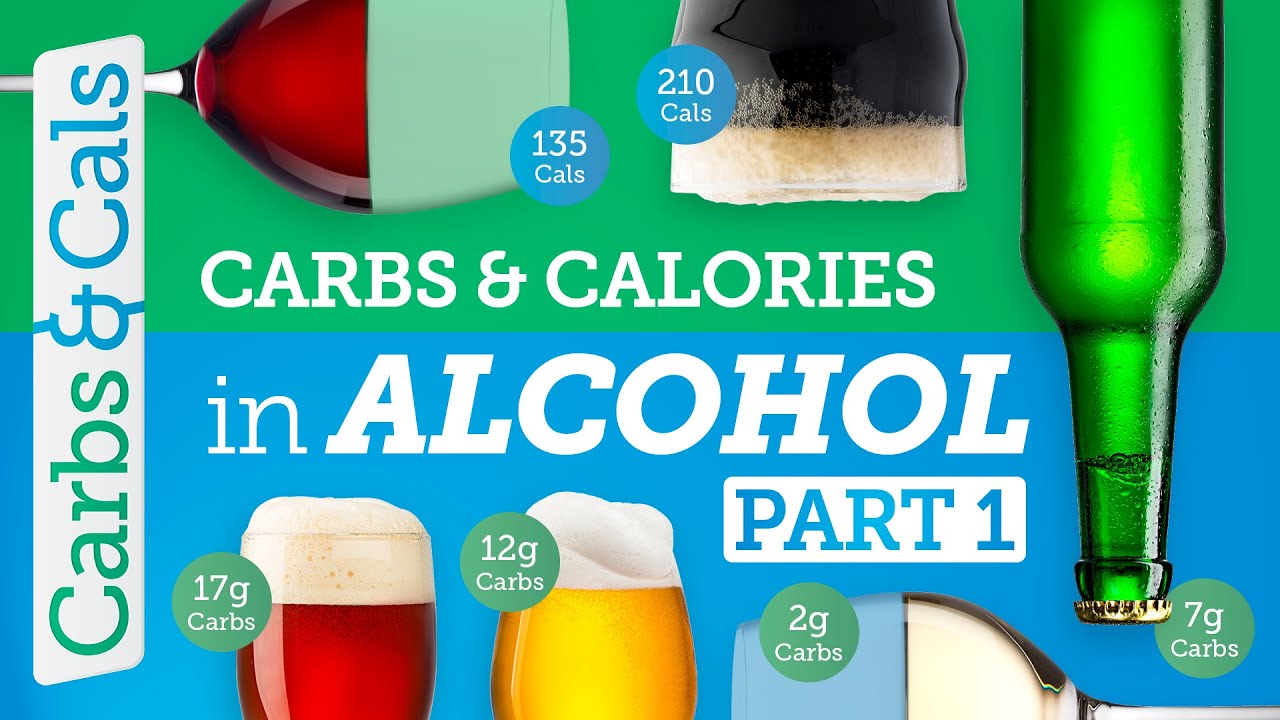
How many carbs are in an 8 oz glass of wine?
When it comes to understanding the carbohydrate content in an 8 oz glass of wine, its essential to note that the amount can vary significantly depending on the type of wine. On average, most wines contain between 3 to 5 grams of carbohydrates per 5 oz serving. Therefore, when you scale that up to an 8 oz glass, you can expect roughly 5 to 8 grams of carbs. This variation is primarily due to the residual sugars present in different wine styles.
Here’s a breakdown of carb content by wine type:
- Dry Red Wine: Approximately 3-4 grams of carbs per 5 oz, leading to about 5-6 grams in an 8 oz glass.
- Dry White Wine: Similar to red, with about 3-4 grams of carbs per 5 oz, resulting in around 5-6 grams in an 8 oz serving.
- Sweet or Dessert Wines: These can contain significantly more carbs, averaging 10-20 grams per 5 oz, which translates to about 16-32 grams in an 8 oz glass.
- Sparkling Wines: These can range from 1-5 grams of carbs per 5 oz, leading to about 2-8 grams in an 8 oz serving, depending on sweetness.
The carbohydrate content is largely influenced by the fermentation process and the residual sugar left after fermentation. In dry wines, most of the sugars are converted into alcohol, resulting in lower carb counts. Conversely, sweet wines retain more sugar, which increases their carbohydrate levels. If youre monitoring your carb intake, it’s important to choose your wine wisely and be aware of these variations. Always check the label or consult with the producer for the most accurate information.
Can I drink wine on a keto diet?
Yes, you can drink wine on a keto diet, but its essential to choose wisely. While traditional diets often emphasize moderation in alcohol consumption, the ketogenic diet requires a closer look at the carbohydrate content of the beverages you consume. Wine, particularly dry varieties, can be compatible with a low-carb lifestyle if you pay attention to the specifics.
When selecting wine, opt for dry wines over sweet ones. Dry red and white wines generally contain fewer carbohydrates, making them a better choice for those on a keto diet. For example, a typical 5-ounce serving of dry red wine contains about 3-4 grams of carbs, while sweet wines can have significantly higher carb counts, sometimes exceeding 10 grams per serving. Here are some types of wine to consider:
- Dry Red Wines: Cabernet Sauvignon, Merlot, Pinot Noir
- Dry White Wines: Sauvignon Blanc, Chardonnay, Pinot Grigio
- Sparkling Wines: Brut Champagne, Prosecco
In addition to choosing the right type of wine, its also important to monitor your portion sizes. Drinking in moderation not only helps you stay within your carb limits but also reduces the likelihood of experiencing any negative effects from alcohol consumption, such as impaired judgment or increased cravings. Keep in mind that alcohol can also slow down ketosis, so its best to enjoy wine occasionally rather than as a regular part of your diet.
Lastly, be mindful of mixers and additional ingredients if you enjoy cocktails or wine-based drinks. Many mixers are high in sugar and carbs, which can quickly derail your keto goals. Stick to pure wine or simple combinations to keep your carb intake in check while still enjoying the social aspects of drinking.
Which wine has the least amount of carbs?
When it comes to selecting a low-carb wine, it’s essential to understand that different types of wine contain varying amounts of carbohydrates. Generally, dry wines tend to have fewer carbs compared to sweet wines, making them a better choice for those watching their carbohydrate intake. If you’re looking for options that are low in carbs, here are some popular choices:
- Dry Red Wines: Varieties such as Cabernet Sauvignon, Merlot, and Pinot Noir typically contain about 3-4 grams of carbs per 5-ounce serving.
- Dry White Wines: Wines like Sauvignon Blanc, Chardonnay, and Pinot Grigio generally have similar carb counts, often ranging from 2-3 grams per serving.
- Sparkling Wines: Brut Champagne and other dry sparkling wines can also be low in carbs, with around 1-2 grams per serving.
In contrast, sweeter wines like Riesling, Moscato, and dessert wines can contain significantly higher carb levels, often exceeding 10 grams per serving. Therefore, if you’re following a low-carb diet or simply looking to reduce your carb intake, sticking to dry wines is your best bet. Always check the label or ask for specific carb information when dining out or purchasing wine to ensure youre making the best choice for your dietary needs.
Additionally, some wine brands have begun producing specifically low-carb wines that cater to health-conscious consumers. These wines are crafted to minimize residual sugars, resulting in a lower carbohydrate content without sacrificing flavor. Whether youre enjoying a glass at dinner or at a social gathering, choosing wines with the least amount of carbs can enhance your experience while keeping your diet in check.
How many carbs are in a 750ml bottle of wine?
When it comes to understanding the carbohydrate content in a 750ml bottle of wine, its essential to recognize that the amount can vary significantly depending on the type of wine. Generally, the carbohydrate content in wine primarily comes from the residual sugars left after fermentation. On average, a standard 750ml bottle of dry wine contains about 3 to 5 grams of carbohydrates, while sweeter wines can have much higher carb counts.
For a more detailed breakdown, here’s an overview of carbohydrate content by wine type:
- Dry Red Wines: Approximately 3-4 grams of carbs per 750ml.
- Dry White Wines: Similar to red wines, usually around 3-4 grams of carbs.
- Sweeter Wines: Can contain anywhere from 10 to 30 grams of carbs, depending on the level of sweetness.
- Sparkling Wines: Typically range from 5 to 10 grams of carbs, influenced by the dosage added during production.
Its important to note that while dry wines have lower carbohydrate content, they are not completely carb-free. For individuals monitoring their carbohydrate intake, such as those following a ketogenic diet, selecting dry wines is generally a better option. Always check the label or consult the producer for the most accurate nutritional information, as variations can occur based on the specific wine and its production process.
See all our content in the Sitemaps or in our Vip Cheers Webmaps!
You read complete How Many Carbs in a Glass of Wine? Find Out Now! See more about liqueurs here Wine.
Leave a Reply