
How to Close a Wine Bottle: Tips for Perfect Preservation
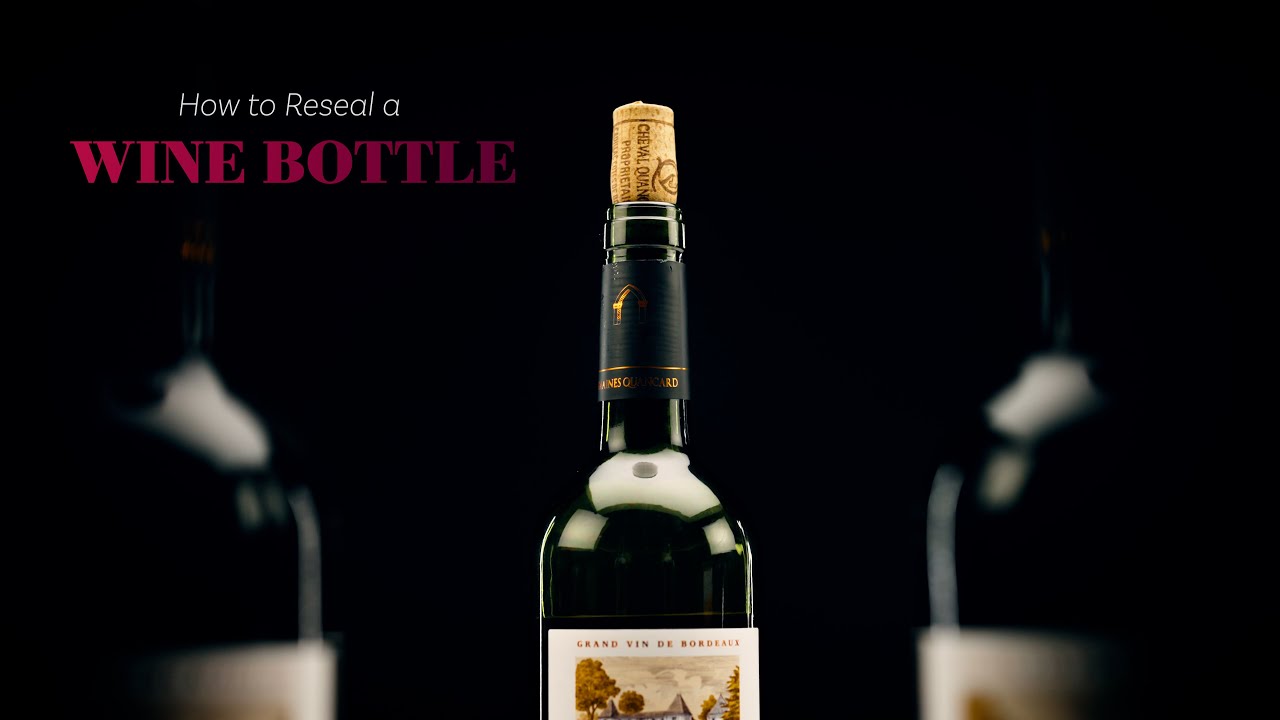
How do you close an opened wine bottle?
When it comes to preserving the quality of an opened wine bottle, using the right techniques is essential. Closing an opened wine bottle properly can help maintain its flavor and aroma, ensuring that you can enjoy it at a later time. Here are some effective methods to seal your wine bottle and keep it fresh.
1. Reinsert the Cork
One of the simplest ways to close an opened wine bottle is to reinsert the original cork. Make sure the cork is clean and free of any wine residue. To do this, gently push the cork back into the bottle, ensuring that it is snug but not overly forced. If the cork is damaged or has lost its shape, consider using a new cork or an alternative closure.
2. Use a Wine Stopper
Another effective method is to use a wine stopper. These are specially designed to create an airtight seal, preventing oxygen from entering the bottle and spoiling the wine. There are various types of wine stoppers available, including:
- Silicone Stoppers: Flexible and easy to use, these stoppers fit most bottle necks and create a tight seal.
- Vacuum Sealers: These devices remove air from the bottle before sealing it, significantly extending the wines shelf life.
- Champagne Stoppers: Ideal for sparkling wines, these stoppers lock in the carbonation and keep the bubbles intact.
3. Refrigerate the Wine
After sealing the bottle, it’s best to store it in the refrigerator. The cooler temperature slows down the oxidation process, which can help preserve the wines taste and quality for a longer period. Red wines can also be stored in the fridge, but be sure to allow them to warm up slightly before serving.
By employing these techniques, you can effectively close an opened wine bottle and enjoy your wine at its best, even days after the initial opening.
Can you recork wine after opening?
Yes, you can recork wine after opening it, and its actually a common practice to help preserve the remaining wine. When a bottle of wine is opened, it is exposed to oxygen, which can start the oxidation process and alter the flavor profile. Recorking helps to minimize this exposure, allowing you to enjoy the wine over a longer period. However, it’s essential to do it correctly to maintain the wines quality.
Steps to Recork Wine Properly:
- Use the Original Cork: If possible, use the original cork to recork the bottle. Make sure the cork is clean and free of any debris.
- Position the Cork Correctly: Insert the cork into the bottle in the same orientation it was removed. This helps maintain a proper seal.
- Store Upright: Keep the recorked bottle upright to prevent the cork from becoming too wet and disintegrating.
- Refrigerate if Necessary: For white wines or sparkling wines, consider refrigerating the bottle to slow down the oxidation process.
In addition to recorking, consider using a vacuum pump or a wine preservation system. These tools can help remove excess air from the bottle, further extending the wines freshness. Its also important to note that different types of wine have varying shelf lives after being opened. For example, red wines typically last 3-5 days when recorked, while white wines may only last 1-3 days.
Always pay attention to the wines aroma and taste after it has been recorked. If you notice any off-flavors or aromas, it may be time to discard the remaining wine. By following these tips for recorking and proper storage, you can enjoy your opened wine for a few more days without compromising its quality.
How do you stopper a wine bottle?
When it comes to preserving the quality of an opened bottle of wine, properly stoppers play a crucial role. There are several methods to stopper a wine bottle effectively, ensuring that the wine remains fresh and enjoyable for as long as possible. Here are some popular techniques:
Using a Cork
The traditional method for stopping a wine bottle is using the original cork. If youve opened a bottle and plan to save it for later, simply reinsert the cork into the bottle. To ensure a tight seal, make sure the cork is clean and free from any residue. Insert the cork with the same end that was originally inside the bottle, as this helps to minimize any air exposure.
Wine Bottle Stoppers
If the original cork is damaged or you want a more reliable seal, consider using a wine bottle stopper. These stoppers come in various materials and designs, providing an airtight seal to keep your wine fresh. Some popular types include:
- Silicone Stoppers: Flexible and easy to use, silicone stoppers can conform to the neck of the bottle, creating a snug fit.
- Vacuum Seal Stoppers: These stoppers remove air from the bottle, significantly slowing down oxidation and preserving flavor.
- Reusable Corks: Made from materials that mimic natural cork, these can be used multiple times and provide a reliable seal.
Alternative Methods
If you don’t have a cork or stopper on hand, there are a few creative alternatives you can use to stopper a wine bottle temporarily. Here are some options:
- Plastic Wrap: Cover the top of the bottle with plastic wrap and secure it with a rubber band. This method can help reduce air exposure.
- Aluminum Foil: Similar to plastic wrap, aluminum foil can be molded over the top of the bottle for a makeshift seal.
- Wine Pump: Using a wine pump with a rubber stopper allows you to create a vacuum seal, extending the life of your wine.
By employing these techniques, you can effectively stopper a wine bottle and maintain the integrity of its flavors and aromas, ensuring that every glass you pour is as delightful as the first.
How do you seal an empty wine bottle?
Sealing an empty wine bottle is a straightforward process that can help preserve any remaining flavors and aromas. Whether you have leftover wine or simply want to keep the bottle for decorative purposes, sealing it correctly is essential. Here are some effective methods to seal an empty wine bottle.
Using a Cork
One of the most traditional ways to seal an empty wine bottle is by using a cork. If you have the original cork, ensure it is clean and intact. To seal the bottle:
- Clean the cork: Wipe the cork with a clean cloth to remove any residue.
- Insert the cork: Gently push the cork back into the neck of the bottle, ensuring it fits snugly.
- Store upright: Keep the bottle upright to prevent any potential leaks.
Using a Wine Stopper
If the original cork is not available, a wine stopper can be a great alternative. Wine stoppers are designed to create an airtight seal, making them ideal for preserving wine. To use a wine stopper:
- Choose the right size: Ensure the stopper fits the neck of the bottle securely.
- Insert the stopper: Push the stopper into the bottle opening until it is firmly in place.
- Store in a cool place: Keep the sealed bottle in a cool, dark area to maintain its integrity.
Using Plastic Wrap and a Rubber Band
For a quick and easy sealing method, you can use plastic wrap and a rubber band. This method is particularly useful if you dont have a cork or stopper on hand. Heres how to do it:
- Cut a piece of plastic wrap: Tear off a piece large enough to cover the bottle opening.
- Cover the opening: Place the plastic wrap over the neck of the bottle, ensuring it is airtight.
- Secure with a rubber band: Wrap a rubber band around the neck of the bottle to hold the plastic wrap in place.
By following these methods, you can effectively seal an empty wine bottle and maintain its quality for future use or display.
See all our content in the Sitemaps or in our Vip Cheers Webmaps!
You read complete How to Close a Wine Bottle: Tips for Perfect Preservation See more about liqueurs here Wine.
Leave a Reply