
Is One Shot Equal to One Beer? Find Out the Truth Here!
- Understanding Alcohol Measurements
- What Is a Shot?
- What Is a Beer?
- Factors Influencing Alcohol Absorption
- Understanding Blood Alcohol Concentration (BAC)
- Personal Tolerance Levels
- Social and Cultural Contexts
- Conclusion: Is One Shot Equal to One Beer?
- Additional Considerations for Responsible Drinking
Understanding Alcohol Measurements
When it comes to drinking, many people often wonder about the equivalency of different types of alcoholic beverages. One common question that arises is, "Is one shot equal to one beer?" This question is not only relevant for casual drinkers but also for those who want to understand their limits, manage their alcohol intake, or simply make informed choices when socializing. In this article, we will delve into the details of alcohol measurements and explore whether a shot truly equals a beer.
What Is a Shot?
A shot is typically defined as a small serving of distilled spirits or liquor. The standard measurement for a shot in the United States is usually 1.5 ounces (44 milliliters). Shots are commonly served in shot glasses and can include various types of spirits, such as:
- Vodka
- Whiskey
- Rum
- Tequila
- Gin
Shots are often consumed quickly, allowing the drinker to experience the full flavor of the spirit in a single gulp. However, the alcohol content in shots can vary significantly based on the type of liquor and its proof.
What Is a Beer?
On the other hand, a beer is a fermented beverage made from grains, primarily barley, and flavored with hops. Beer is typically served in larger quantities than shots, with standard servings ranging from 12 ounces (355 milliliters) for regular beers to 16 ounces (473 milliliters) for pints. The alcohol content in beer varies as well, but most beers have an alcohol by volume (ABV) ranging from 4% to 6%, with some craft beers exceeding 10% ABV.
The Alcohol Content Comparison
To determine if a shot is equivalent to a beer, we need to look at the alcohol content in each. The ABV is crucial in this comparison:
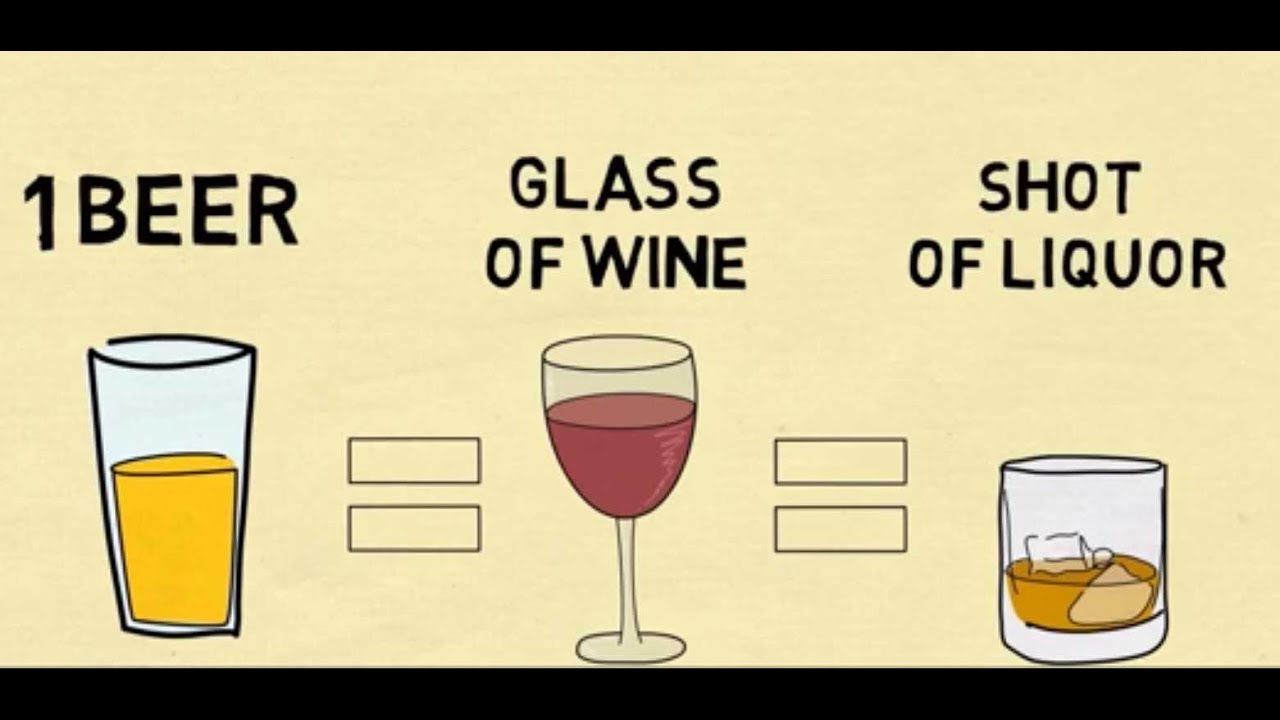
- A standard shot of liquor (1.5 ounces) at 40% ABV contains about 0.6 ounces of pure alcohol.
- A standard 12-ounce beer at 5% ABV contains about 0.6 ounces of pure alcohol.
From this information, we can conclude that, in terms of pure alcohol content, one shot of liquor is roughly equal to one standard beer. However, there are several factors to consider when discussing this equivalency.
Factors Influencing Alcohol Absorption
While the pure alcohol content might be similar, the way our bodies absorb alcohol can vary significantly between shots and beers. Here are some factors that influence this process:
1. Rate of Consumption
Shots are typically consumed much more quickly than beers. When you drink a shot, the alcohol enters your bloodstream rapidly, leading to a quicker onset of effects. In contrast, drinking a beer usually takes longer, allowing the body more time to process the alcohol. This difference in consumption rate can affect how intoxicated you feel.
2. Carbonation Levels
Many beers are carbonated, which can influence how quickly alcohol is absorbed. Carbonation can increase the rate at which alcohol passes into the bloodstream, potentially leading to faster intoxication. Shots, being non-carbonated, do not have this effect.
3. Food Intake
What you eat before or while drinking can significantly impact how alcohol affects you. Consuming food can slow down the absorption of alcohol, leading to a more gradual increase in blood alcohol concentration (BAC). If you drink a shot on an empty stomach, you may feel its effects more quickly than if you sip a beer while eating a meal.
Understanding Blood Alcohol Concentration (BAC)
Blood Alcohol Concentration (BAC) is a measure of the amount of alcohol present in a persons bloodstream. It is expressed as a percentage and is used to determine levels of intoxication. Knowing how BAC is affected by different types of alcoholic beverages can help answer the question: Is one shot equal to one beer?
How BAC Is Calculated
BAC is influenced by several factors, including:
- Body weight
- Gender
- Metabolism
- Amount of alcohol consumed
- Rate of consumption
For instance, two individuals consuming the same amount of alcohol may have different BAC levels based on their body weight and metabolism. A lighter person may feel the effects of alcohol more intensely than a heavier person, even if they consume the same amount of alcohol.
Legal Limits and Implications
In many places, a BAC of 0.08% is the legal limit for driving. Understanding how many shots or beers it takes to reach this limit can help individuals make safer choices. Generally, consuming one shot or one beer can raise your BAC by about 0.02% to 0.03%, depending on the factors mentioned earlier.
Personal Tolerance Levels
Tolerance to alcohol varies from person to person. Some individuals may be able to consume multiple shots or beers without feeling overly intoxicated, while others may feel the effects after just one drink. This variation can depend on:
- Genetics
- Drinking history
- Physical health
- Psychological factors
Understanding your own tolerance can help you answer the question, "Is one shot equal to one beer?" on a personal level. If you know that you have a low tolerance, it may be wise to limit your intake, regardless of the type of alcohol.
The way we perceive shots and beers can also be influenced by social and cultural contexts. In some cultures, taking shots is a common practice during celebrations or social gatherings, while in others, beer may be the preferred beverage. The environment in which you drink can affect how much you consume and how quickly you feel the effects.
Drinking Etiquette and Practices
In many social settings, there are unspoken rules regarding drinking. For example, in some cultures, it is customary to take shots together as a form of bonding, while in others, sipping beer over a longer period is the norm. Understanding these cultural nuances can enhance your drinking experience and ensure you are respectful of local customs.
Conclusion: Is One Shot Equal to One Beer?
In summary, the question "Is one shot equal to one beer?" can be answered with a qualified yes. In terms of pure alcohol content, a standard shot of liquor and a standard beer contain roughly the same amount of alcohol. However, factors such as rate of consumption, carbonation levels, and individual tolerance can lead to different experiences when consuming these beverages.
Ultimately, the best approach is to be mindful of your own body, drink responsibly, and understand how different types of alcohol affect you personally. Whether you prefer shots or beers, moderation is key to enjoying alcohol safely and responsibly. Remember, its not just about the quantity of alcohol consumed, but also about how it interacts with your body and the environment around you.
Additional Considerations for Responsible Drinking
When considering your alcohol consumption, keep the following tips in mind:
- Know Your Limits: Understanding your personal tolerance and setting limits can help prevent overconsumption.
- Stay Hydrated: Drinking water between alcoholic beverages can help mitigate the effects of alcohol.
- Eat Before Drinking: Having a meal before consuming alcohol can slow down absorption and reduce the risk of intoxication.
- Be Aware of Your Environment: Drinking in a safe and comfortable environment can enhance your experience and minimize risks.
- Designate a Driver: If you plan to drink, always have a designated driver or alternative transportation arranged.
In conclusion, while a shot and a beer may have similar alcohol content, the way they are consumed and the effects they produce can vary significantly. Understanding these differences is essential for making informed choices about drinking. So, the next time you find yourself asking, "Is one shot equal to one beer?", youll have a clearer perspective on what that means for you.
See all our content in the Sitemaps or in our Vip Cheers Webmaps!
You read complete Is One Shot Equal to One Beer? Find Out the Truth Here! See more about liqueurs here Beer.
Leave a Reply