
What Kind of Liquor is Grand Marnier? A Complete Guide
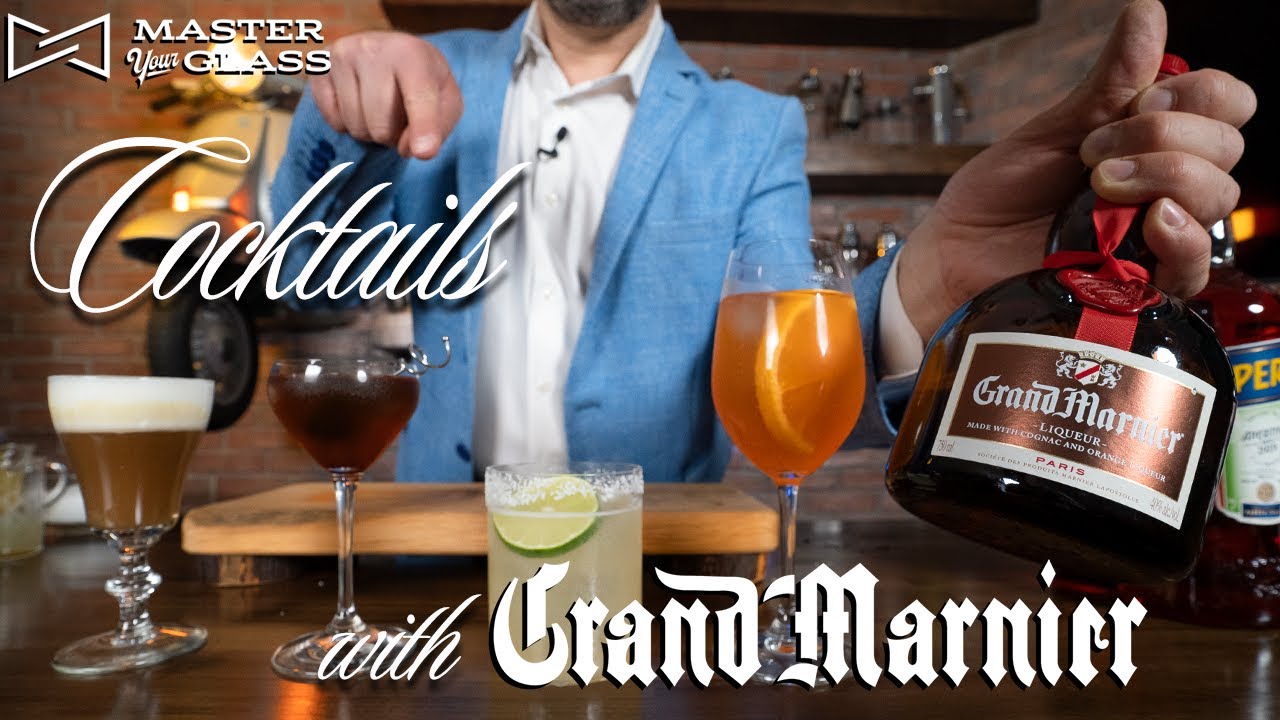
What category of liquor is Grand Marnier?
Grand Marnier is a unique liqueur that falls into the category of orange-flavored spirits. Specifically, it is classified as a fruit liqueur, which is a type of liqueur made by infusing a base spirit with fruit, sugar, and other flavoring agents. In the case of Grand Marnier, the liqueur is crafted using a blend of Cognac and distilled essence of bitter orange, giving it a distinctive flavor profile that is both sweet and zesty.
The production of Grand Marnier involves a meticulous process that starts with the selection of high-quality oranges, predominantly from the Caribbean. These oranges are then distilled and blended with premium Cognac, which is aged in oak barrels. This combination not only enhances the complexity of the flavor but also contributes to the smooth texture that Grand Marnier is known for. As a result, it stands out in the world of fruit liqueurs, offering a luxurious taste experience.
In addition to being classified as a fruit liqueur, Grand Marnier is also considered a cognac-based liqueur. This means it shares some characteristics with traditional Cognac, including its production methods and aging process. The integration of Cognac in its formulation allows Grand Marnier to have a rich, deep flavor, making it versatile for both sipping neat and mixing in cocktails.
Grand Marnier is often used in various culinary applications as well, adding a sophisticated orange flavor to desserts and sauces. It can be enjoyed in classic cocktails like the Margarita or used to elevate a simple glass of champagne. Overall, its classification as a fruit liqueur and cognac-based liqueur highlights its unique attributes and positions it as a premium choice among spirits.
Is Grand Marnier a whisky?
Grand Marnier is not a whisky; it is a premium orange liqueur that combines cognac and bitter orange essence. This unique blend gives Grand Marnier its distinctive flavor profile, setting it apart from traditional whiskies. While whisky is typically made from fermented grain mash, which may include barley, corn, rye, or wheat, Grand Marniers primary ingredients revolve around high-quality cognac and natural orange flavors.
Key Differences Between Grand Marnier and Whisky
- Base Ingredients: Grand Marnier uses cognac as its base, while whisky is produced from grains.
- Flavor Profile: Grand Marnier has a sweet, citrusy taste, whereas whisky often has smoky, spicy, or malty notes.
- Production Method: Grand Marnier is crafted through a blending process of cognac and orange essence, while whisky undergoes fermentation, distillation, and aging in wooden barrels.
- Alcohol Content: Grand Marnier typically has an alcohol content of around 40%, similar to many whiskies, but the taste and usage differ significantly.
In summary, Grand Marnier stands out as a liqueur that should not be confused with whisky. Its unique combination of cognac and orange flavor creates a delightful spirit ideal for cocktails, desserts, and sipping. Understanding these distinctions helps clarify the role each beverage plays in the world of spirits and enhances your appreciation of their individual characteristics.
Is Grand Marnier a brandy or a cognac?
Grand Marnier is often a subject of confusion when it comes to its classification, primarily because it embodies characteristics of both brandy and cognac. However, it is essential to clarify that Grand Marnier is classified as a liqueur, specifically an orange-flavored liqueur that combines cognac with bitter orange essence. This unique blend is what sets Grand Marnier apart from traditional brandies and cognacs.
To understand the distinction, it’s important to recognize the definitions of each category:
- Brandy: A distilled spirit made from fermented fruit juice, typically grapes. It can be produced anywhere in the world and varies in flavor and aging processes.
- Cognac: A specific type of brandy produced in the Cognac region of France, adhering to strict regulations. It must be made from particular grape varieties and aged in oak barrels for a minimum period.
- Grand Marnier: While it uses cognac as its base, it is not solely a cognac. The infusion of orange essence and sugar transforms it into a liqueur, which is sweet and often used in cocktails or desserts.
The production process of Grand Marnier involves selecting high-quality cognac, which forms the foundation of the liqueur. This cognac is then blended with a proprietary orange essence, derived from bitter oranges, which contributes to its distinct flavor profile. This combination creates a spirit that is versatile, suitable for sipping neat, on the rocks, or as a key ingredient in various cocktails and culinary recipes.
In summary, while Grand Marnier is made with cognac, it is ultimately classified as a liqueur due to its additional flavoring and sweetness. This unique categorization highlights the intricate craftsmanship behind its creation, distinguishing it from traditional brandies and cognacs.
What is the closest liquor to Grand Marnier?
Grand Marnier is a renowned orange liqueur that combines the flavors of cognac and bitter orange. If youre seeking a substitute that closely mimics its unique profile, there are a few options worth considering. Each alternative brings its own twist, but they can effectively replace Grand Marnier in cocktails and culinary recipes.
Top Substitutes for Grand Marnier
- Cointreau: Often regarded as one of the closest alternatives, Cointreau is another orange liqueur that offers a balanced sweetness and a crisp orange flavor. It can be used in equal amounts in cocktails that call for Grand Marnier.
- Triple Sec: This is a more budget-friendly option that can serve as a substitute. While it lacks the depth of flavor that Grand Marnier provides, a premium triple sec can still work well in many drinks.
- Orange Curacao: This liqueur is made from the dried peels of bitter oranges and can provide a similar citrusy kick. Depending on the brand, it can be sweeter or drier than Grand Marnier, so taste-testing is recommended.
- Homemade Orange Liqueur: If youre feeling adventurous, you can create a homemade version by infusing vodka or neutral spirit with orange peels and a bit of sugar. This DIY approach allows you to customize the flavor to your liking.
When selecting a substitute, consider the specific application—whether its for a cocktail, dessert, or sauce. Cointreau is often the go-to for cocktails due to its similar flavor profile, while triple sec might be more suitable for casual drinks where the nuances of Grand Marnier arent as crucial. Ultimately, the choice of liquor will depend on the desired taste and the overall impact on the dish or drink being prepared.
See all our content in the Sitemaps or in our Vip Cheers Webmaps!
You read complete What Kind of Liquor is Grand Marnier? A Complete Guide See more about liqueurs here Other Liquors.
Leave a Reply