
Can You Carry Liquor on a Plane? Essential Travel Guide
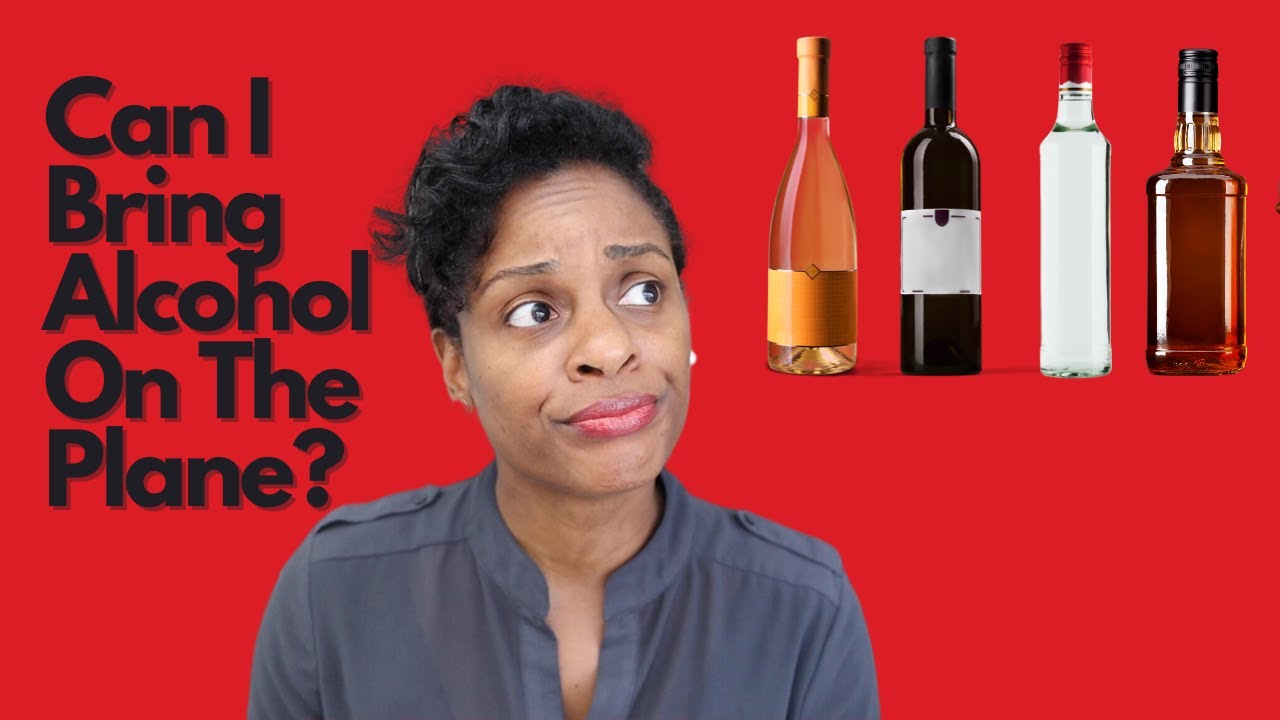
Can you fly with alcohol in carry-on?
When traveling by air, many passengers wonder about the regulations surrounding carrying alcohol in their carry-on luggage. The Transportation Security Administration (TSA) has specific guidelines that govern the transport of liquids, including alcoholic beverages, in carry-on bags. Generally, you are allowed to bring alcohol on a flight, but there are important restrictions to keep in mind.
Alcohol Content Limits: The TSA permits passengers to carry alcohol in their carry-on luggage as long as the alcohol content is below 70% (140 proof). This means that most commercially available alcoholic beverages, such as beer, wine, and spirits, can be brought on board. However, if youre carrying alcohol with an alcohol content above this limit, it must be checked in your luggage instead.
Volume Restrictions: In addition to the alcohol content restrictions, the TSA also enforces volume limits on liquids in carry-on bags. Each passenger is allowed to bring liquids in containers of up to 3.4 ounces (100 milliliters). These containers must fit within a single quart-sized clear plastic bag. If you wish to carry larger quantities of alcohol, such as a bottle of wine or a larger spirit bottle, it must be packed in your checked luggage.
International Travel Considerations: Its also essential to consider the regulations of your destination country. While you may be allowed to bring alcohol on your flight, some countries have strict rules about the importation of alcohol. Always check the customs regulations of your destination to ensure compliance and avoid any potential issues upon arrival.
How to pack liquor bottles in checked luggage?
Packing liquor bottles in your checked luggage requires careful attention to ensure they arrive at your destination intact. To start, its essential to choose the right type of packaging. Use bubble wrap or foam padding to provide cushioning around each bottle. Wrap each bottle individually, ensuring that all glass surfaces are covered. This will help absorb shocks and prevent breakage during transit.
Next, select a sturdy suitcase or a hard-shell case specifically designed for transporting fragile items. Place the wrapped bottles in the center of the suitcase, surrounded by soft clothing or towels for added protection. Avoid placing heavy items on top of the bottles to minimize the risk of crushing them. Additionally, consider using a separate compartment or a dedicated wine or liquor bottle carrier if your luggage allows for it.
When packing multiple bottles, its advisable to use a liquor bottle travel case or dividers that can keep the bottles upright and separate. This will help prevent them from clinking together and reduce the likelihood of breakage. Make sure to check the airlines policies regarding alcohol in checked luggage, as there may be restrictions on the quantity or alcohol content.
Lastly, label your luggage clearly and consider using a fragile sticker to alert baggage handlers to handle your luggage with care. This simple step can make a significant difference in ensuring your liquor bottles remain safe throughout your journey. By following these packing tips, you can enjoy your favorite spirits at your destination without worry.
Can TSA tell if you have alcohol?
When traveling through U.S. airports, many passengers wonder about the Transportation Security Administration (TSA) regulations regarding alcohol. While it’s not illegal to carry alcohol in your luggage, there are specific guidelines that travelers must follow. The TSA primarily focuses on security, meaning their main concern is not specifically to detect alcohol, but to ensure that no prohibited items are brought onto an aircraft.
The TSA allows travelers to bring alcohol in both carry-on and checked luggage, but there are limitations. For carry-on bags, the alcohol must be in containers of 3.4 ounces (100 milliliters) or less and must fit within a quart-sized bag. If you are carrying larger quantities of alcohol, it must be placed in your checked luggage. Additionally, the alcohol content must not exceed 70% (140 proof) if it is in checked baggage.
Here are some key points to consider:
- Alcohol in carry-on bags must be in containers of 3.4 ounces or less.
- Liquor over 70% alcohol content is prohibited in both carry-on and checked luggage.
- There are no specific TSA tests for alcohol; their focus is on safety and security.
- State laws may also affect how much alcohol you can bring when traveling.
While the TSA may not actively search for alcohol, if your bags are selected for additional screening, they may uncover any alcoholic beverages you have packed. It is important to adhere to TSA regulations to avoid any delays or confiscation of your items. In summary, while the TSA does not specifically check for alcohol, understanding the rules surrounding its transport can help ensure a smooth travel experience.
Do I need to declare alcohol?
When traveling internationally, it is essential to understand the regulations regarding the declaration of alcohol. Most countries have specific limits on the amount of alcohol you can bring without incurring taxes or duties. Failing to declare alcohol can lead to fines or confiscation of your items, making it crucial to be aware of the rules of your destination.
Here are some key points to consider when declaring alcohol:
- Know the Limits: Each country has different limits for how much alcohol you can bring in duty-free. Research the specific regulations for your destination before you travel.
- Declare When Necessary: If you exceed the allowed limit, you must declare the alcohol at customs. This ensures compliance with local laws and avoids potential penalties.
- Types of Alcohol: Different types of alcoholic beverages (beer, wine, spirits) may have varying limits. Be sure to check the guidelines for each category.
In addition to knowing the limits, it’s also wise to familiarize yourself with the customs procedures at your arrival airport. Some countries may require you to fill out a customs declaration form that includes your alcohol purchases. Being transparent about what you are bringing can save you from unnecessary complications during your travels.
Lastly, remember that even if you are within the allowed limits, you should keep your alcohol purchases in their original packaging and be prepared to present receipts if requested. This practice not only demonstrates good faith but also helps clarify any questions customs officials may have regarding your declarations.
See all our content in the Sitemaps or in our Vip Cheers Webmaps!
You read complete Can You Carry Liquor on a Plane? Essential Travel Guide See more about liqueurs here Other Liquors.
Leave a Reply