
How Grapes Turn into Wine: The Transformation Explained
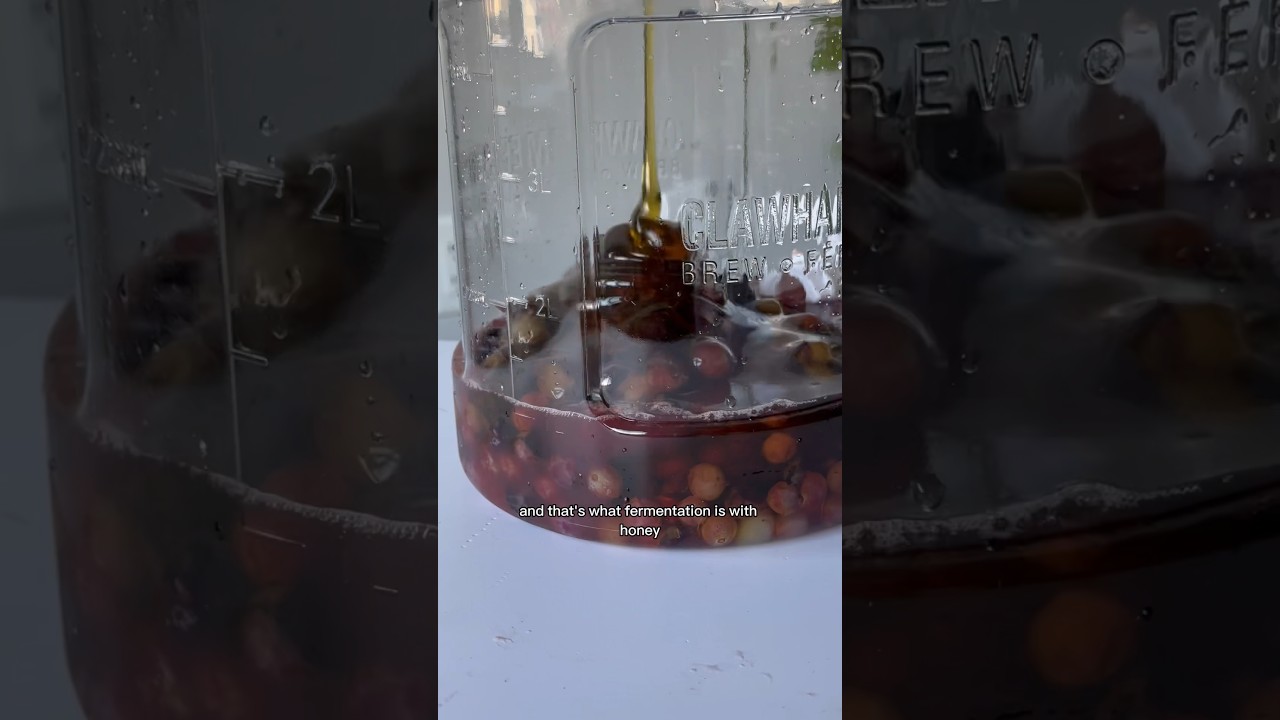
How do grapes become wine?
The transformation of grapes into wine is a fascinating process that combines natures bounty with human craftsmanship. The journey begins in the vineyard, where grapes are carefully cultivated. The variety of grape, the climate, and the soil all play crucial roles in determining the flavor profile of the wine. Once the grapes reach their peak ripeness, they are harvested, often by hand, to ensure that only the best fruit is selected.
After harvesting, the grapes undergo a process known as crushing. This can be done manually or with the help of machinery, depending on the scale of production. Crushing breaks the skins of the grapes, releasing the juice and allowing the fermentation process to begin. For white wines, the skins are typically removed right after crushing, while for red wines, the skins are left in contact with the juice during fermentation to impart color, tannins, and flavor.
Once the grapes are crushed, the next step is fermentation. Yeast, either naturally occurring or added by the winemaker, consumes the sugars present in the grape juice and converts them into alcohol and carbon dioxide. This process can take anywhere from several days to weeks, depending on the desired characteristics of the wine. During fermentation, the winemaker closely monitors temperature and other factors to ensure optimal conditions for yeast activity.
After fermentation, the wine undergoes aging. This can take place in stainless steel tanks or oak barrels, depending on the style of wine being produced. Aging allows the flavors to mature and develop complexity. The wine may also go through additional processes such as malolactic fermentation or filtration before it is bottled. Ultimately, the careful orchestration of these steps leads to the creation of the diverse range of wines enjoyed worldwide.
Can supermarket grapes make wine?
When considering whether supermarket grapes can be used to make wine, it’s essential to understand the characteristics that define good winemaking grapes. While most supermarket grapes, such as table grapes, are sweet and juicy, they often lack the acidity and tannins that are crucial for fermentation and aging in wine production. Grapes like Concord, Thompson Seedless, and Red Globe are typically bred for eating rather than for winemaking, which can impact the final product.
Key differences between table grapes and wine grapes:
- Sugar content: Wine grapes generally have a higher sugar concentration, which is necessary for producing alcohol during fermentation.
- Acidity: Wine grapes maintain a balance of acidity that helps preserve the wine and enhances its flavor profile.
- Tannins: Found primarily in the skins, seeds, and stems of wine grapes, tannins contribute to the wines structure and mouthfeel.
- Flavor compounds: Wine grapes possess a complex array of flavor compounds that develop during the fermentation process, which table grapes may lack.
Despite these differences, it is possible to make wine from supermarket grapes, although the results may not meet the expectations of traditional wine enthusiasts. Home winemakers often experiment with various grape types, including those from the supermarket, to create unique blends. The key to success lies in the winemaking process itself, where careful fermentation techniques and the addition of other ingredients can help enhance the final product.
If youre considering making wine from supermarket grapes, it’s advisable to choose the ripest and most flavorful varieties available. Look for grapes that are firm, free of blemishes, and have a rich aroma. While the end result may not rival a bottle from a vineyard, creating your own wine can be a fun and rewarding experience, allowing for creativity and experimentation in your winemaking journey.
What are the 7 steps of wine making?
The process of wine making, also known as vinification, involves a series of carefully orchestrated steps that transform grapes into the beloved beverage enjoyed worldwide. Understanding these seven fundamental steps can enhance your appreciation for the craftsmanship behind each bottle. Here’s a closer look at the stages involved in wine making:
1. Harvesting
The journey of wine begins with harvesting the grapes at the right time, which is crucial for achieving optimal flavor and sugar levels. Grapes can be harvested either by hand or machine, depending on the vineyard’s practices and the desired quality of the wine. Timing is essential, as grapes must be picked at their peak ripeness to ensure the best possible fermentation.
2. Crushing and Pressing
Once harvested, the grapes undergo crushing and pressing. In this step, the grapes are gently crushed to release their juice. For white wines, the juice is separated from the skins immediately, while red wines are fermented with their skins to extract color and tannins. Pressing further separates the juice from any remaining solids, ensuring a clean base for fermentation.
3. Fermentation
Fermentation is where the magic happens. Yeast is added to the grape juice, which converts sugars into alcohol and carbon dioxide. This step can take anywhere from a few days to several weeks, depending on the type of wine being produced. The temperature and environment are carefully controlled to develop the desired flavors.
4. Clarification
After fermentation, the wine is clarified to remove any remaining solids. This can involve natural settling, filtration, or fining agents that help clear the wine. Clarification is vital for achieving a clear and stable product, setting the stage for the aging process.
5. Aging
Aging allows the wine to develop complex flavors and aromas. This can take place in stainless steel tanks, glass containers, or wooden barrels, each imparting different characteristics to the wine. The duration of aging varies, with some wines benefitting from just a few months, while others may age for years.
6. Bottling
Once the wine has reached its desired profile, it is bottled. During this step, care is taken to minimize oxygen exposure to preserve the wine’s freshness. Bottling can also involve the addition of sulfites to enhance stability and shelf life.
7. Enjoying
The final step is enjoying the wine! Proper storage and serving temperatures can enhance the tasting experience. Whether shared with friends or savored solo, the culmination of these seven steps results in a unique expression of the vineyard’s terroir and the winemaker’s artistry.
How long does it take for grapes to ferment for wine?
The fermentation process is a crucial stage in winemaking, as it transforms the natural sugars in grapes into alcohol. Typically, the fermentation of grapes for wine can take anywhere from a few days to several weeks. The exact duration depends on several factors, including the type of grape, the yeast strain used, and the desired characteristics of the final wine.
Factors Influencing Fermentation Time
There are several key factors that can influence the length of fermentation:
- Temperature: Warmer temperatures generally accelerate fermentation, while cooler temperatures can slow it down.
- Yeast Strain: Different yeast strains have varying fermentation rates. Some are quick and robust, while others work more slowly.
- Grape Variety: The sugar content and acidity levels in different grape varieties can affect how quickly fermentation occurs.
- Winemakers Goals: Depending on whether the winemaker wants a dry or sweet wine, fermentation time may be adjusted accordingly.
During the initial phase of fermentation, known as the primary fermentation, the process can last from 3 to 14 days. This is when the majority of sugar is converted into alcohol. Following this, a secondary fermentation phase may occur, particularly for certain types of wines, which can extend the total fermentation time to several weeks or even months.
Monitoring the fermentation process is essential, as winemakers often check the specific gravity to determine when fermentation is complete. The overall duration can vary significantly based on the factors mentioned, making each batch of wine a unique experience.
See all our content in the Sitemaps or in our Vip Cheers Webmaps!
You read complete How Grapes Turn into Wine: The Transformation Explained See more about liqueurs here Wine.
Leave a Reply