
Is Sediment in Red Wine Bad? Uncover the Truth Today!
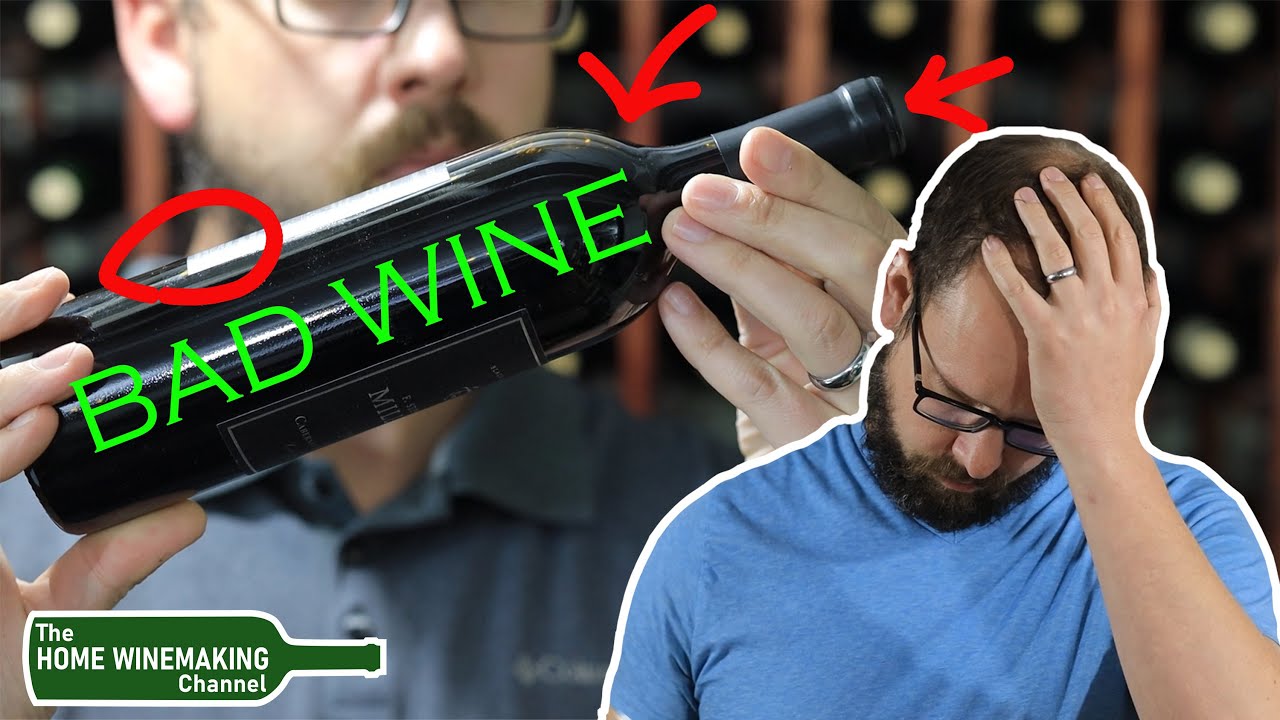
Can you drink red wine if it has sediment?
When enjoying a glass of red wine, you may occasionally notice sediment at the bottom of the bottle. This sediment can be a natural byproduct of the wine-making process, often consisting of leftover grape skins, seeds, or yeast. While it may look unappealing, many wine enthusiasts wonder if it is safe to drink wine with sediment.
Understanding Sediment
Sediment is more common in older red wines, as they undergo a natural aging process. During this time, compounds in the wine can precipitate out, leading to sediment formation. It is important to note that sediment itself is not harmful and does not indicate that the wine has gone bad. In fact, many connoisseurs believe that sediment is a sign of a well-crafted wine that has matured gracefully over time.
Should You Drink It?
Drinking red wine with sediment is generally safe; however, the texture and taste may be affected. Sediment can create a gritty mouthfeel and alter the wines overall flavor profile. If you prefer a smoother drinking experience, it’s advisable to decant the wine before serving. This allows the sediment to settle at the bottom of the bottle, enabling you to pour a clearer glass of wine.
How to Decant Wine
To enjoy your red wine without sediment, consider these simple steps for decanting:
- Carefully open the bottle and hold it upright for a few hours to let the sediment settle.
- Using a decanter, slowly pour the wine into it, stopping before the sediment reaches the neck of the bottle.
- Let the wine breathe in the decanter for about 30 minutes before serving to enhance its flavors.
By following these steps, you can savor your red wine without the distraction of sediment, allowing you to fully appreciate its rich flavors and aromas.
How can you tell if red wine has gone bad?
When it comes to red wine, freshness is key to enjoying its rich flavors and aromas. However, over time, even the finest bottles can spoil. Here are some signs to help you determine if your red wine has gone bad.
Visual Inspection: Start by examining the wine in the glass or bottle. Look for any noticeable changes in color. Fresh red wine typically exhibits vibrant hues of deep red or purple, while spoiled wine may appear brownish or dull. Additionally, check for any sediment or cloudiness that wasn’t present before, as this can indicate spoilage.
Smell Test: The aroma of red wine is crucial to its character. If the wine emits an off-putting smell reminiscent of vinegar, nail polish remover, or wet cardboard, it’s a sign that it has likely gone bad. A fresh bottle should have inviting scents of fruit, spice, and oak. If the aroma is flat or lacks complexity, it may also indicate that the wine is past its prime.
Taste Assessment: If the wine passes the visual and smell tests, take a small sip. Spoiled red wine often tastes sour or overly acidic, lacking the balanced flavor profile you would expect. If you notice a sharp or unpleasant aftertaste, its best to discard the bottle. A good red wine should have a harmonious blend of flavors, leaving a pleasant finish on the palate.
By paying attention to these signs—color, smell, and taste—you can confidently determine whether your red wine is still good to enjoy or if it has unfortunately gone bad.
Does sediment in wine mean it's good?
Does sediment in wine mean its good?
Sediment in wine can often lead to confusion among wine enthusiasts, prompting the question: does it signify quality? The presence of sediment is primarily a result of natural processes during the wines aging and fermentation. It is composed of various particles, including dead yeast cells, tartrates, and pigments. While some may interpret sediment as a sign of a "bad" or spoiled wine, it is important to understand that sediment can also indicate a wines authenticity and complexity.
Understanding the Types of Sediment
There are different types of sediment that can appear in wine, each with its own implications:
- Tartrate Crystals: These are harmless and often form when the wine is chilled. They are a sign of a well-made wine that has undergone proper cold stabilization.
- Yeast Sediment: Commonly found in natural or unfiltered wines, this sediment is a result of the fermentation process. It can add to the wines depth and character.
- Color Pigments: In red wines, sediment can include tannins and anthocyanins that have precipitated over time, showcasing the wines aging potential.
While sediment may be an aesthetic concern for some, it does not necessarily correlate with a wines quality. Many premium wines, especially those that are unfiltered or bottle-aged, will naturally develop sediment over time. In fact, sediment can be an indication that the wine is a traditional product, reflecting a careful winemaking process without excessive filtration or fining.
Enjoying Sediment in Wine
When enjoying a wine with sediment, it is essential to handle the bottle with care to avoid disturbing the sediment before pouring. Decanting the wine can be an excellent method to separate the liquid from the sediment, allowing you to appreciate the wines full flavor profile without the grainy texture that sediment can introduce. Ultimately, while sediment might not be visually appealing, it often signifies a wine that has been crafted with care and has the potential for rich, complex flavors.
Why is there stuff floating in my red wine?
When you notice particles floating in your red wine, it can be a cause for concern. However, its important to understand that these floating substances are often a natural occurrence and not necessarily a sign of spoilage. The most common reasons for the presence of floating particles include sediment, tartrates, and organic material.
1. Sediment
Sediment is a common phenomenon in red wines, especially those that are unfiltered or have undergone minimal processing. This sediment is typically made up of:
- Dead yeast cells - Also known as lees, these can remain in the wine after fermentation.
- Phenolic compounds - These include tannins and color compounds that can precipitate out over time.
- Natural grape particles - Small fragments from the grape skins and stems may also settle at the bottom.
2. Tartrates
Another reason for floating particles in red wine is the presence of tartrates, which are crystalline structures that form when potassium bitartrate precipitates out of the wine. This process is completely natural and occurs when the wine is chilled or aged. While they may look unappealing, tartrates are harmless and can be filtered out if desired.
3. Organic Material
In some cases, you may encounter organic materials such as bits of cork or even small insects that made their way into the bottle during the winemaking process. These materials can sometimes float in the wine, but they are typically easy to identify and can be removed with a simple decanting process.
Overall, while the sight of floating particles in your red wine may raise questions, understanding their origins can help alleviate concerns. Whether it’s sediment, tartrates, or organic matter, these components are often part of the wines natural characteristics and do not indicate that the wine is spoiled or unsafe to drink.
See all our content in the Sitemaps or in our Vip Cheers Webmaps!
You read complete Is Sediment in Red Wine Bad? Uncover the Truth Today! See more about liqueurs here Wine.
Leave a Reply