
Discover the Different Kinds of Tequila: A Complete Guide
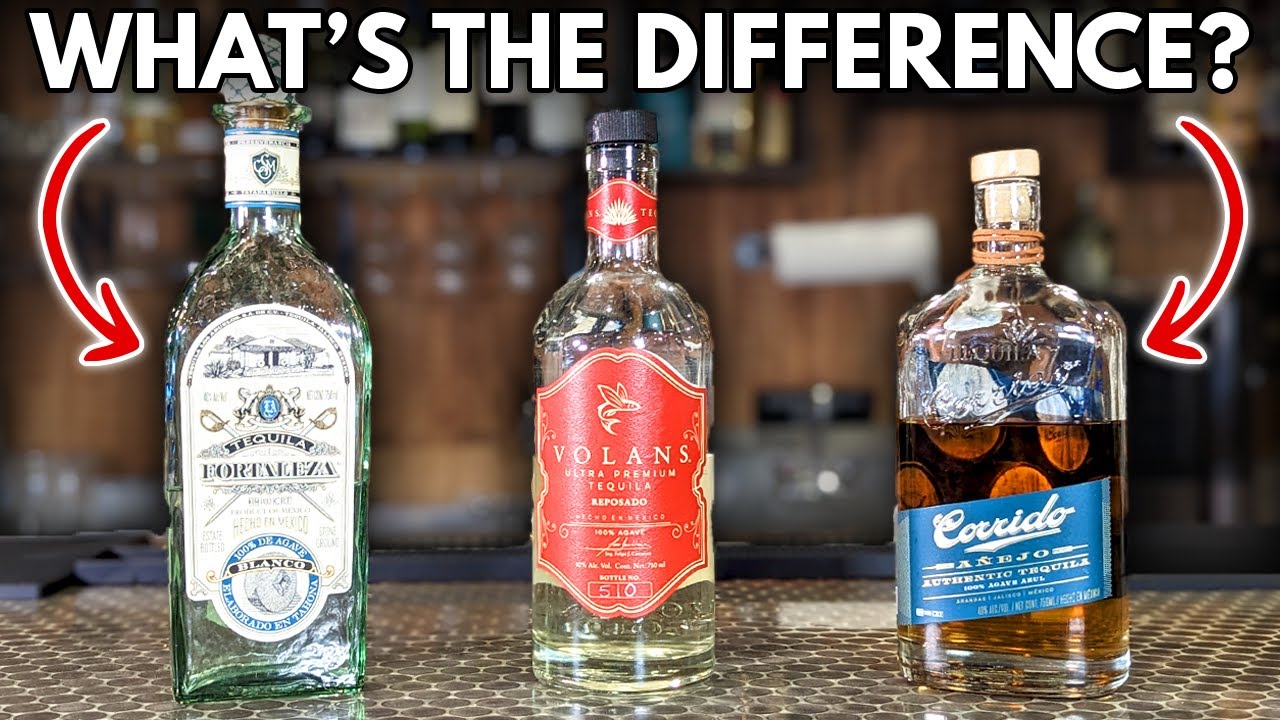
How many versions of tequila are there?
Tequila is a beloved spirit that originates from the blue agave plant, primarily produced in the region surrounding the city of Tequila in Mexico. It comes in several distinct versions, each with its own unique characteristics and flavor profiles. Understanding these variations is essential for tequila enthusiasts and casual drinkers alike.
There are five primary types of tequila, classified based on their aging process and production methods. These are:
- Blanco (Silver): Unaged tequila that is bottled immediately after distillation, offering a pure agave flavor.
- Joven (Gold): A blend of Blanco tequila and aged tequila or one that has been colored and flavored, providing a smoother taste.
- Reposado: Aged in oak barrels for a minimum of two months but less than a year, this version has a more complex flavor profile with hints of wood and spice.
- Añejo: Aged for at least one year but less than three years, Añejo tequila offers rich, deep flavors, often with notes of caramel and vanilla.
- Extra Añejo: Aged for over three years, this version delivers an exceptionally smooth and refined taste, making it a premium choice for connoisseurs.
In addition to these primary types, there are also several specialty tequilas that may be produced in limited quantities or using unique methods. These can include flavored tequilas or artisanal varieties made by small distilleries. Each version of tequila can vary significantly in taste, aroma, and texture, allowing for a wide range of experiences when enjoyed neat, in cocktails, or as part of a tasting flight.
Understanding the different versions of tequila not only enhances your appreciation of this iconic spirit but also helps you select the right type for any occasion, whether youre mixing a cocktail or sipping it straight.
What are the 5 types of tequila?
Tequila, a beloved spirit originating from Mexico, is categorized into five primary types, each offering a unique flavor profile and aging process. Understanding these types is essential for any tequila enthusiast or casual drinker looking to explore this versatile beverage. Here are the five main types of tequila:
1. Blanco (Silver)
Blanco tequila, also known as silver tequila, is the purest form of the spirit. It is typically bottled immediately after distillation or aged for less than two months in stainless steel or neutral oak barrels. This type of tequila boasts a crisp, vibrant flavor that highlights the natural essence of the blue agave plant. Blanco is often used in cocktails like margaritas or enjoyed neat for a straightforward tasting experience.
2. Joven (Gold)
Joven tequila, or gold tequila, is a blend of blanco tequila and aged tequilas. It may also contain caramel coloring or flavoring agents, which contribute to its golden hue. The flavor profile of joven tequila is smoother and richer compared to blanco, making it a popular choice for mixed drinks and shots. It offers a more rounded taste, appealing to those who prefer a softer tequila experience.
3. Reposado
Reposado tequila is aged in oak barrels for a minimum of two months and up to one year. This aging process imparts a subtle complexity and a rich flavor profile that balances the agaves natural sweetness with the oaks influence. The result is a smoother tequila with hints of vanilla, caramel, and spices. Reposado is versatile, enjoyed both neat and in cocktails, making it a favorite among tequila aficionados.
4. Añejo
Añejo tequila is aged for a minimum of one year and up to three years in oak barrels. This extended aging process results in a darker color and a deeper, more complex flavor profile. Añejo tequilas often exhibit rich notes of chocolate, nuts, and dried fruit, making them ideal for sipping. The smoothness and richness of añejo tequila elevate the drinking experience, appealing to those who appreciate high-quality spirits.
5. Extra Añejo
Extra añejo tequila is the most aged category, matured for over three years in oak barrels. This aging results in an even richer and more sophisticated flavor profile, with deep notes of oak, caramel, and spice. Extra añejo tequilas are often regarded as sipping tequilas, best enjoyed neat or with minimal accompaniment to appreciate their complexity. The craftsmanship involved in producing extra añejo makes it a prized choice for connoisseurs.
What is the highest grade of tequila?
Tequila is a beloved spirit that hails from Mexico, and its quality can vary significantly based on several factors, including the type of agave used and the aging process. The highest grade of tequila is generally considered to be Extra Añejo, which is aged for a minimum of three years in oak barrels. This aging process allows the tequila to develop rich, complex flavors and a smooth texture, making it a favorite among connoisseurs.
The classification of tequila is primarily determined by its aging process, which includes several categories:
- Blanco (Silver): Unaged tequila, bottled immediately after distillation.
- Reposado: Aged between two months and one year in oak barrels.
- Añejo: Aged for one to three years, resulting in a richer flavor profile.
- Extra Añejo: Aged for over three years, offering the highest quality and complexity.
Extra Añejo tequilas are often crafted in small batches and are typically made from 100% blue agave, ensuring the highest quality. The long aging process contributes to a darker color and a depth of flavor that can include notes of vanilla, caramel, and oak. This premium grade of tequila is not only a testament to the craftsmanship involved in its production but also to the dedication to quality that defines the best tequilas.
When seeking out the highest grade of tequila, it’s essential to look for reputable brands that emphasize traditional production methods and quality ingredients. Extra Añejo tequilas can be enjoyed neat or on the rocks, allowing drinkers to fully appreciate the intricate flavors and aromas that have developed during the aging process. Whether you are a seasoned tequila enthusiast or a newcomer, Extra Añejo represents the pinnacle of tequila craftsmanship.
What are the 5 states of tequila?
Tequila is a beloved spirit that originates from the blue agave plant, primarily grown in specific regions of Mexico. To be classified as tequila, the spirit must be produced in designated areas, which are known as the five states of tequila. Understanding these regions not only enhances your appreciation of this iconic drink but also highlights the unique characteristics that each area imparts to the spirit.
1. Jalisco
The state of Jalisco is the heart of tequila production, accounting for around 90% of all tequila made. Within Jalisco, the Tequila Valley and the Highlands (Los Altos) are the two primary regions. The Tequila Valley is known for its volcanic soil, which contributes to a robust flavor profile, while the Highlands produce a sweeter, more aromatic tequila due to the altitude and climate.
2. Guanajuato
Guanajuato is another significant state for tequila production, particularly known for its unique terroir. The region is home to several distilleries that produce artisanal tequilas, often utilizing traditional methods. The agave from Guanajuato tends to have a distinct flavor that differentiates it from its Jalisco counterparts, making it a favorite among enthusiasts looking for variety.
3. Michoacán
Michoacán is recognized for its lush landscapes and rich cultural heritage, which influence its tequila production. The state is home to many small, family-owned distilleries that focus on traditional craftsmanship. Tequilas from Michoacán often feature complex flavors and aromas, showcasing the unique agave varietals grown in the region.
4. Nayarit
Nayarit, while lesser-known, is gaining recognition for its artisanal tequila production. The state boasts diverse microclimates that allow for different agave varieties to flourish. This diversity results in tequilas that offer unique flavor profiles, often reflecting the local agricultural practices and traditions.
5. Tamaulipas
Tamaulipas rounds out the list of the five states of tequila. Although not as prominent as the other states, Tamaulipas produces high-quality tequila, with a focus on traditional distillation methods. The agave grown in this region is known for its distinctive taste, contributing to the overall diversity of tequila available in the market.
Understanding the five states of tequila not only enriches your knowledge of this iconic spirit but also allows you to explore the rich cultural and agricultural heritage that shapes each unique bottle.
See all our content in the Sitemaps or in our Vip Cheers Webmaps!
You read complete Discover the Different Kinds of Tequila: A Complete Guide See more about liqueurs here Tequila.
Leave a Reply