
Does Whiskey Get You Drunk Faster Than Vodka? Find Out!
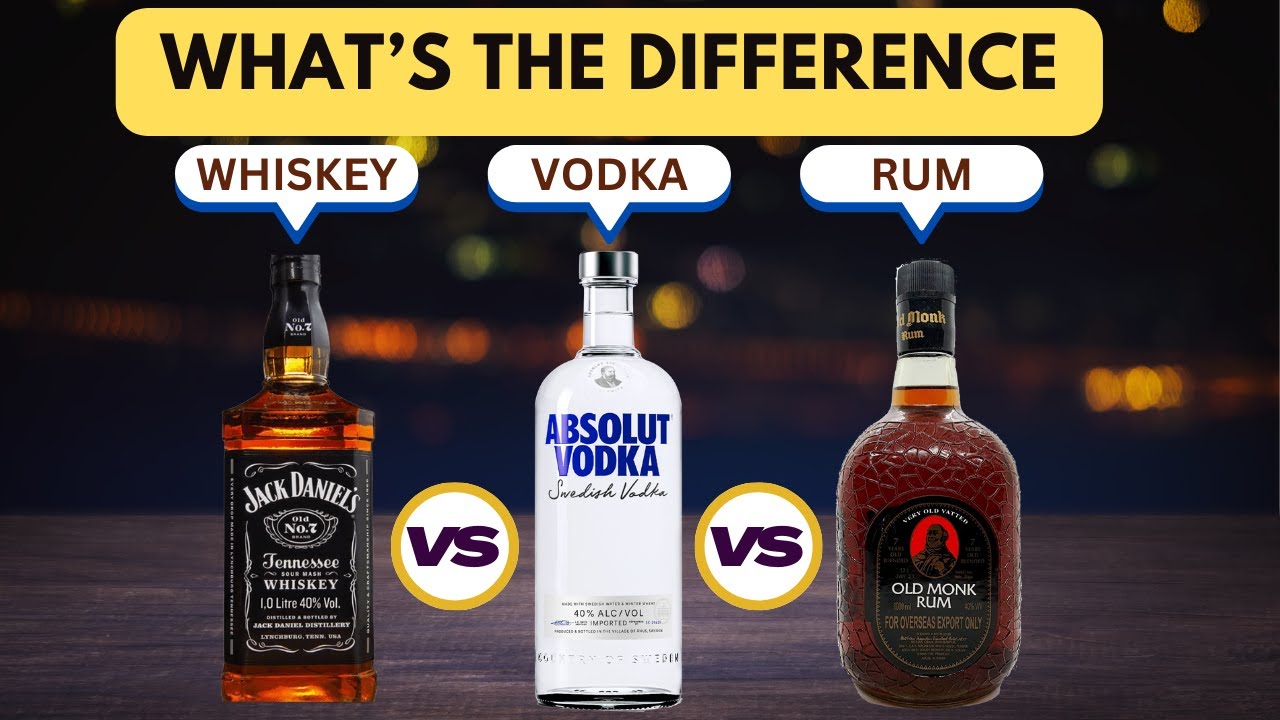
Which is stronger, vodka or whiskey?
When comparing the strength of vodka and whiskey, it’s essential to consider the alcohol by volume (ABV) of each spirit. Generally, vodka is distilled to a higher proof than whiskey, which typically leads to a higher ABV. Most vodkas have an ABV ranging from 35% to 50%, while whiskey generally falls between 40% and 50%. This means that, in many cases, vodka can be stronger than whiskey, particularly when comparing standard offerings of each.
Another factor to consider is the distillation process. Vodka is often distilled multiple times, resulting in a purer and more neutral spirit. This high level of distillation contributes to its higher ABV, making it a potent choice for cocktails and mixed drinks. On the other hand, whiskey undergoes a more complex aging process in wooden barrels, which not only affects its flavor profile but can also influence its alcohol content. As a result, while whiskey may have a similar ABV to vodka, the taste and experience can differ significantly.
Key Differences in Strength:
- ABV Range: Vodka: 35% - 50%, Whiskey: 40% - 50%
- Distillation: Vodka is distilled more times, leading to a higher alcohol concentration.
- Aging Process: Whiskeys flavor is developed through aging, which can affect its perceived strength.
It’s also important to note that the perceived strength of a spirit can be influenced by its flavor profile and how it is consumed. Vodka’s clean and neutral taste allows it to be mixed easily, often masking the alcohols intensity. Conversely, whiskeys rich flavors can make it seem stronger even if the ABV is similar. Therefore, while vodka may technically be stronger in terms of alcohol content, the drinking experience can vary greatly between the two spirits.
What makes you more drunk, whiskey or vodka?
When it comes to determining whether whiskey or vodka makes you more drunk, several factors come into play, including alcohol content, serving size, and individual tolerance. Both whiskey and vodka typically contain a similar alcohol by volume (ABV) percentage, usually around 40% for standard spirits. However, the perception of intoxication can vary between the two due to their distinct characteristics and consumption habits.
Alcohol Concentration: While both drinks are generally in the same ABV range, whiskey is often enjoyed in smaller servings due to its stronger flavor profile. In contrast, vodka is frequently mixed with other beverages, which can lead to larger overall quantities consumed. For instance, a standard shot of whiskey (1.5 ounces) contains the same amount of alcohol as a mixed drink made with vodka, but the volume of liquid consumed can differ significantly, impacting how quickly one feels the effects of alcohol.
Rate of Consumption: The speed at which a person drinks can also influence intoxication levels. Vodka is commonly used in cocktails that can be consumed quickly, while whiskey is typically sipped slowly. This difference in drinking style can lead to a faster onset of intoxication when consuming vodka, especially in social settings where mixed drinks are prevalent.
Individual Tolerance: It’s essential to remember that personal tolerance plays a crucial role in how drunk someone feels after consuming either whiskey or vodka. Factors such as body weight, metabolism, and drinking experience can all affect how alcohol is processed in the body. Therefore, one person might find whiskey to be more intoxicating, while another might feel the effects of vodka more intensely. Ultimately, the experience can vary greatly from one individual to another, making it difficult to definitively say which spirit is more potent in terms of intoxication.
How fast does whiskey hit you?
When it comes to whiskey, the speed at which it affects you can vary significantly based on several factors. Typically, whiskey can start to take effect within 30 minutes after consumption. This timeframe can fluctuate based on individual metabolism, body weight, and whether youve consumed food alongside the drink. The alcohol content in whiskey, usually around 40%, means it enters the bloodstream quickly, especially when sipped on an empty stomach.
Several factors influence how fast whiskey hits you:
- Body Weight: Heavier individuals may metabolize alcohol more slowly, leading to a delayed effect.
- Metabolism: A faster metabolism can lead to quicker absorption, making the effects of whiskey noticeable sooner.
- Food Intake: Consuming whiskey on an empty stomach can intensify its effects, while food can slow down the absorption rate.
- Alcohol Tolerance: Regular drinkers may have a higher tolerance, meaning they might not feel the effects as quickly as occasional drinkers.
The type of whiskey and the way it is consumed also play a role. For example, drinking whiskey neat may produce effects more rapidly than sipping it in a cocktail, where mixers can dilute the alcohol. Additionally, the amount consumed is crucial; larger quantities will hit you faster than smaller sips. Understanding these factors can help you gauge how quickly whiskey will affect you, allowing for more responsible enjoyment of this beloved spirit.
What type of alcohol gets you drunk fastest?
When it comes to understanding which type of alcohol gets you drunk the fastest, several factors play a significant role, including the alcohol by volume (ABV) percentage, the type of beverage, and how quickly you consume it. Generally, drinks with a higher ABV will lead to faster intoxication. For example, spirits like vodka, whiskey, and rum typically have an ABV of 40% or more, making them more potent than beer or wine.
Here’s a quick breakdown of common alcoholic beverages and their average ABV:
- Spirits: 40% ABV or higher (e.g., vodka, rum, gin, whiskey)
- Wine: 12-15% ABV
- Beer: 4-6% ABV
Among these options, spirits are the quickest way to reach a state of intoxication due to their concentrated alcohol content. Mixed drinks or shots can amplify this effect, especially when consumed rapidly. It’s also important to note that the method of consumption matters; sipping on a cocktail over an extended period will have a different effect than taking several shots in quick succession.
Another critical factor is the presence of congeners, which are byproducts of fermentation found in darker spirits like whiskey and rum. These can contribute to a more intense buzz, though they may also lead to more severe hangovers. In contrast, lighter spirits like vodka tend to have fewer congeners, potentially leading to a cleaner, quicker high without the subsequent discomfort.
See all our content in the Sitemaps or in our Vip Cheers Webmaps!
You read complete Does Whiskey Get You Drunk Faster Than Vodka? Find Out! See more about liqueurs here Whisky.
Leave a Reply