
Is Blanco and Silver Tequila the Same? Find Out Here!
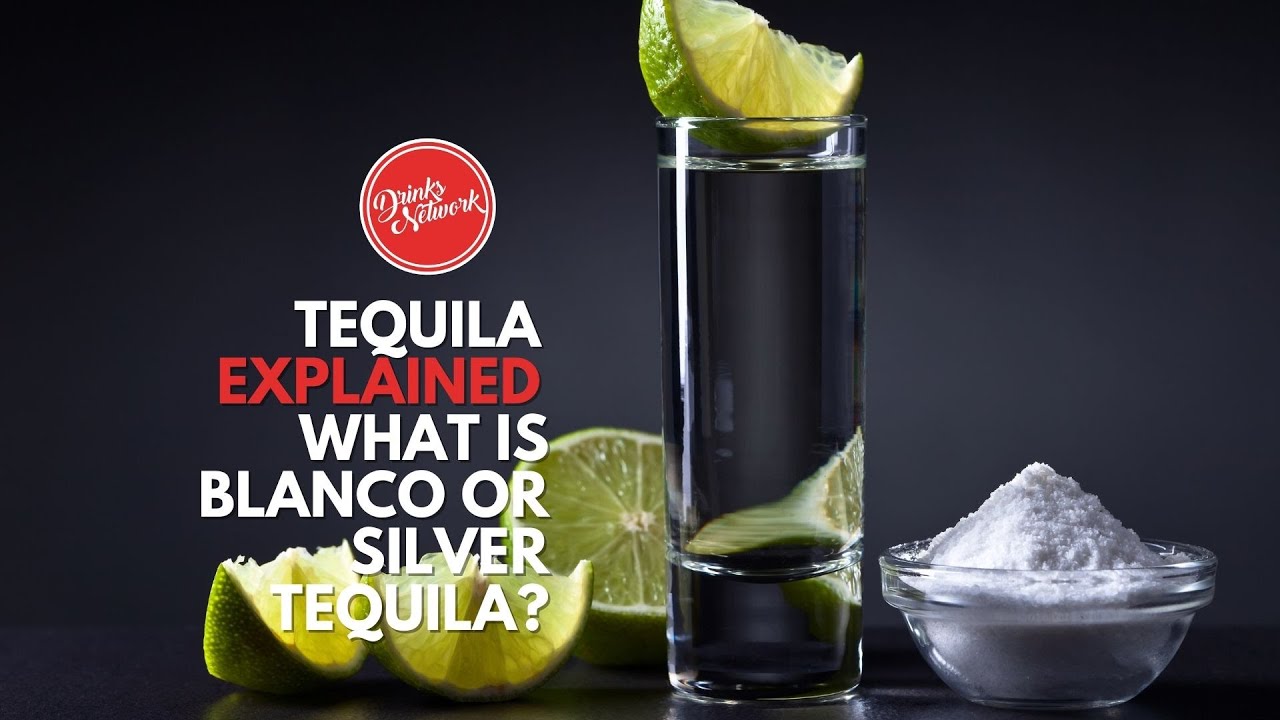
What is the difference between tequila silver and blanco?
Tequila is a beloved spirit that comes in various styles, with silver and blanco being two of the most commonly confused types. While both terms often refer to the same product, there are subtle distinctions that are important for tequila enthusiasts and casual drinkers alike. Understanding these differences can enhance your appreciation of this iconic Mexican spirit.
Tequila Silver is typically unaged and bottled immediately after distillation, preserving its pure agave flavor. It is often characterized by a crisp, clean taste with a bright, clear appearance. Silver tequila is ideal for cocktails, as its freshness and bold flavor profile complement a variety of mixers. In some markets, tequila labeled as silver may undergo minimal aging in stainless steel tanks to smoothen the flavor, but it remains largely true to its raw, unaged form.
On the other hand, Tequila Blanco is a term that refers to tequila that is also unaged, but it is often used interchangeably with silver. Blanco tequila is recognized for its vibrant agave flavor and is usually bottled right after distillation. The primary difference lies in the marketing and branding, as some brands may choose to label their unaged tequila as blanco to emphasize its traditional roots and authenticity. Both silver and blanco tequilas are perfect for sipping or mixing, making them versatile options for any tequila lover.
When choosing between tequila silver and blanco, its essential to consider your personal preferences and how you plan to enjoy the spirit. Whether you opt for a silver or blanco tequila, both offer a delightful experience that showcases the rich flavors of blue agave.
What are the three types of tequila?
Tequila, a distilled spirit made from the blue agave plant, is primarily produced in the region surrounding the city of Tequila in Mexico. There are three main types of tequila, each with distinct characteristics, flavors, and aging processes. Understanding these categories can enhance your appreciation for this popular spirit and help you choose the right one for your palate.
1. Blanco (Silver) Tequila
Blanco tequila, also known as silver tequila, is the purest form of tequila. It is typically bottled immediately after distillation or aged for less than two months in stainless steel or neutral oak barrels. This type of tequila has a clear appearance and is known for its fresh, bold agave flavor. Blanco tequila is often used in cocktails like margaritas and is ideal for those who enjoy a crisp, unaged spirit.
2. Reposado Tequila
Reposado, meaning "rested" in Spanish, is aged in oak barrels for a minimum of two months and up to one year. This aging process imparts a golden hue and allows the tequila to develop a more complex flavor profile, balancing the bright notes of agave with hints of vanilla, caramel, and spices from the wood. Reposado tequila is versatile, making it suitable for sipping neat or mixing in cocktails where a richer flavor is desired.
3. Añejo Tequila
Añejo tequila is aged for a minimum of one year and up to three years in oak barrels, resulting in a darker color and a deeper, more refined flavor. The aging process allows the tequila to absorb more characteristics from the wood, leading to a smoother and more sophisticated taste profile with notes of chocolate, coffee, and dried fruit. Añejo tequila is often enjoyed neat or on the rocks, appealing to those who appreciate a luxurious sipping experience.
In summary, the three types of tequila—Blanco, Reposado, and Añejo—each offer unique tasting experiences that reflect their aging processes and production methods. Whether you prefer the vibrant freshness of Blanco, the balanced complexity of Reposado, or the rich depth of Añejo, there is a tequila type to suit every taste and occasion.
What is the difference between blanco and plata tequila?
When exploring the world of tequila, its essential to understand the terminology that defines different types. Two commonly used terms are blanco and plata, which are often used interchangeably. However, there are subtle distinctions worth noting. Both types refer to unaged tequila, which means they are bottled directly after distillation or after a short resting period in stainless steel tanks.
Blanco tequila, also known as "white" or "silver" tequila, is typically bottled immediately after distillation or allowed to rest for up to two months. This type of tequila showcases the purest expression of the agave plant, retaining its vibrant, fresh flavors and aromas. The taste profile of blanco tequila is often characterized by bright notes of citrus, pepper, and a hint of sweetness, making it an excellent choice for cocktails or sipping neat.
On the other hand, plata tequila is essentially another term for blanco tequila, particularly in some regions or brands. While it also refers to unaged tequila, the term "plata" is often used to emphasize a smoother, more refined quality. Some producers may choose to label their blanco tequila as plata to convey a sense of elegance or premium quality. Despite the difference in naming, both blanco and plata tequilas share similar characteristics in terms of flavor and production methods.
In summary, the primary difference between blanco and plata tequila lies in the terminology rather than the actual product. Both represent unaged tequila that captures the essence of the agave plant, making them popular choices for enthusiasts and casual drinkers alike. When selecting between the two, it ultimately comes down to personal preference and the specific brands interpretation of these terms.
Why is Blanco tequila cheaper?
Blanco tequila, often referred to as silver tequila, is typically less expensive than its aged counterparts, such as Reposado and Añejo. One of the primary reasons for this price difference is the aging process. Blanco tequila is bottled immediately after distillation or aged for less than two months in stainless steel or neutral oak barrels, which means it does not incur the additional costs associated with longer aging. In contrast, Reposado and Añejo tequilas are aged for several months to years, requiring storage and increasing production costs.
Another factor contributing to the lower price of Blanco tequila is the production scale. Many distilleries produce Blanco tequila in larger quantities, allowing for economies of scale that help reduce costs. Since Blanco is often used in cocktails and mixed drinks, demand remains high, encouraging producers to focus on volume rather than premium aging processes. This mass production often results in a more affordable product for consumers.
Additionally, the flavor profile of Blanco tequila is distinctively different from aged varieties. While Reposado and Añejo tequilas develop complex flavors from the wood barrels during aging, Blanco tequila maintains a pure and unaltered taste that highlights the natural characteristics of the agave plant. This straightforward production method often appeals to a broader audience, making it a popular choice in bars and restaurants, further driving down its price due to high turnover.
Lastly, the marketing strategy for Blanco tequila also plays a significant role in its pricing. Many brands position Blanco as an entry-level tequila, targeting consumers who are new to the spirit or looking for a budget-friendly option. This positioning encourages competitive pricing, making Blanco tequila more accessible to a wider range of customers. As a result, consumers can enjoy quality tequila without the premium price tag associated with aged varieties.
See all our content in the Sitemaps or in our Vip Cheers Webmaps!
You read complete Is Blanco and Silver Tequila the Same? Find Out Here! See more about liqueurs here Tequila.
Leave a Reply