
Can Vodka Go in the Freezer? Discover the Truth!
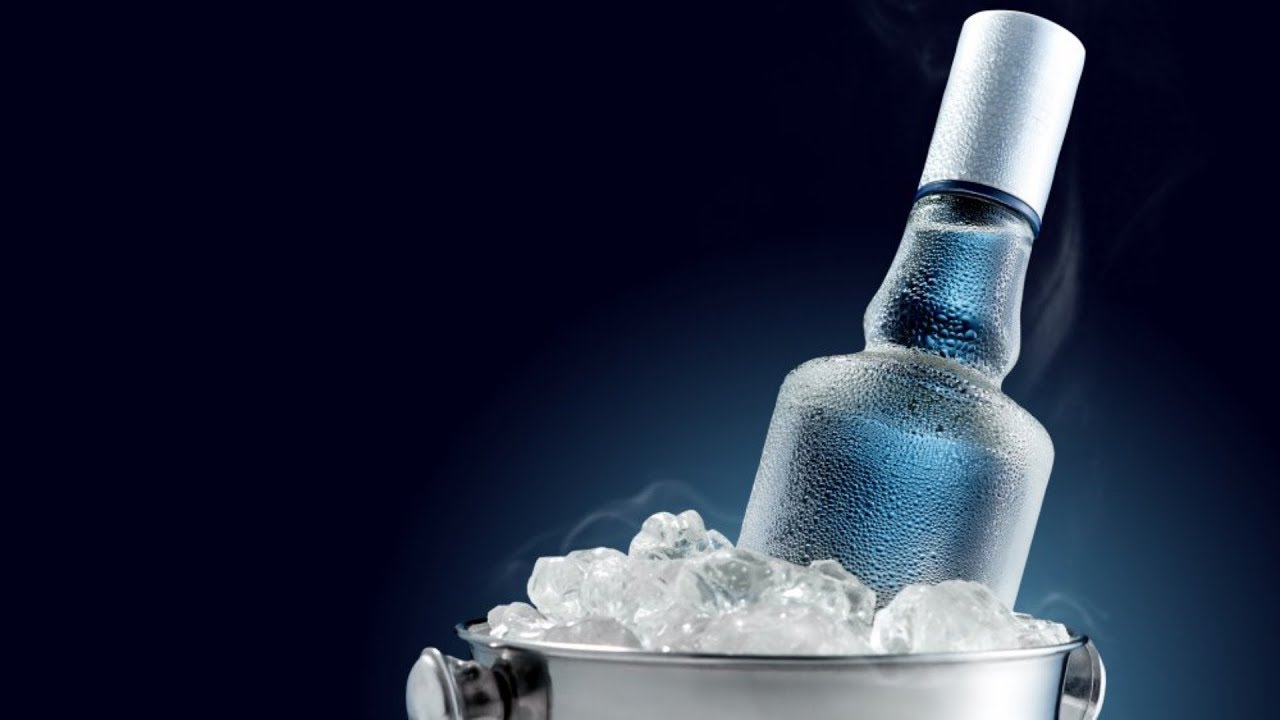
Why did my vodka turn to slush in the freezer?
When you place vodka in the freezer, you might expect it to remain a liquid, but sometimes it can turn to slush. This phenomenon can be attributed to several factors, primarily the alcohol content and the freezing point of vodka. Most commercial vodkas have an alcohol by volume (ABV) ranging from 35% to 50%. The higher the alcohol content, the lower the freezing point. However, if the vodka is of a lower quality or diluted, it may contain more water, which can freeze and cause slushiness.
Another important aspect to consider is the specific freezing point of vodka. Pure ethanol freezes at approximately -114°C (-173°F), but vodka, being a mixture of water and alcohol, has a freezing point around -27°C (-16°F) depending on its ABV. If your freezer temperature is set too low, or if the vodka has been in there for an extended period, it may start to freeze partially. This partial freezing can create a slushy texture, especially if the vodka contains flavorings or other additives that can alter its freezing properties.
Factors that contribute to vodka turning to slush:
- Alcohol Content: Lower ABV vodka is more likely to freeze.
- Freezer Temperature: Extremely low settings can cause slushiness.
- Impurities and Additives: Flavored vodkas may have different freezing characteristics.
If you’re experiencing slushy vodka, its not necessarily a bad thing. Some enthusiasts enjoy the texture and find it enhances the drinking experience, especially in cocktails. However, if you prefer your vodka to be served as a pure liquid, consider adjusting your freezers temperature settings or storing your vodka in a cooler place.
Does alcohol go bad if frozen?
When it comes to freezing alcohol, the answer is not as straightforward as one might think. Generally, alcohol does not go "bad" in the same way that perishable foods do, but freezing can affect its quality and flavor. The freezing point of alcohol varies depending on its alcohol by volume (ABV). For instance, spirits like vodka and whiskey, which have a higher ABV (usually around 40% or more), will not freeze solid in a typical household freezer. However, lower ABV beverages like beer and wine may freeze, leading to potential changes in their taste and texture.
Effects of Freezing Different Types of Alcohol:
- Spirits: High-proof liquors like vodka, rum, and gin can be stored in the freezer without significant changes in flavor or quality. They may become thicker and colder, making them enjoyable for cocktails.
- Wine: Freezing wine can lead to separation of the water and alcohol components, which may alter its flavor profile and cause the cork to pop out, resulting in potential spillage.
- Beer: Beer is particularly susceptible to freezing. When frozen, it can expand and burst its container, and the freezing process can also alter its carbonation and flavor.
Additionally, freezing alcohol can lead to the formation of ice crystals, which can impact the mouthfeel and overall experience of the drink. For cocktails, this might not be an issue, but for sipping spirits or enjoying wine, the change in texture can be noticeable. If you do decide to freeze alcohol, its essential to be mindful of the type and its ABV to minimize any negative effects on quality.
In summary, while alcohol does not "go bad" in the conventional sense when frozen, the experience of consuming it may be affected. Its advisable to consider the specific type of alcohol and its intended use before deciding to freeze it.
Why should you not put alcohol in the freezer?
Storing alcohol in the freezer might seem like a convenient way to chill your favorite drinks quickly, but there are several reasons why this practice is not advisable. One primary concern is the freezing point of alcohol. Most spirits, such as vodka and whiskey, typically have an alcohol by volume (ABV) of 20% or higher, which means they generally wont freeze in a standard home freezer. However, liqueurs and beverages with lower alcohol content can freeze, leading to undesirable changes in texture and flavor.
Another critical factor to consider is the potential for expansion. When liquids freeze, they expand. If you place a bottle of alcohol in the freezer, especially one that is sealed, the expansion can cause the bottle to crack or even explode, resulting in a mess and potential injury. This is particularly true for glass bottles, which are more susceptible to breaking under pressure. To avoid this risk, its better to chill your drinks using methods that do not involve freezing.
Additionally, freezing alcohol can alter its taste and aroma. When alcohol is frozen, the compounds that contribute to its flavor profile may change, diminishing the overall drinking experience. For example, some nuanced flavors and aromas in fine spirits can be muted or lost altogether when served at extremely low temperatures. Instead of enhancing your drink, freezing it can lead to a less enjoyable experience.
To properly chill your alcohol without the risks associated with freezing, consider using these alternatives:
- Ice bucket: Fill a bucket with ice and water for quick chilling.
- Chill sticks: Use reusable chill sticks that can be inserted into your drink.
- Refrigeration: Simply place your bottles in the refrigerator a few hours before serving.
By avoiding the freezer, you can ensure that your alcohol maintains its intended flavor and quality, allowing for a more enjoyable drinking experience.
What alcohol is best kept in the freezer?
When it comes to chilling your favorite beverages, certain types of alcohol benefit significantly from being stored in the freezer. Keeping these spirits icy not only enhances their texture but also elevates the drinking experience. Here are some of the best options to consider:
1. Vodka
Vodka is perhaps the most popular alcohol to keep in the freezer. Its high alcohol content, typically around 40% ABV (alcohol by volume), prevents it from freezing solid, allowing it to achieve a silky, smooth texture. Serving vodka ice-cold can intensify its crispness and make it even more refreshing. Whether you enjoy it straight, in a cocktail, or as a shot, frozen vodka is a game-changer.
2. Gin
Similar to vodka, gin can also be stored in the freezer. This spirit benefits from the cold, as it brings out the botanical flavors while maintaining a smooth mouthfeel. When served chilled, gin can enhance cocktails like martinis, giving them a frosty appeal that many cocktail enthusiasts appreciate.
3. Liqueurs
Certain liqueurs, especially those with higher sugar content, can be delightful when stored in the freezer. Options such as Baileys Irish Cream, Amaretto, and Fruit Liqueurs can become syrupy and thicker when chilled, making them perfect for sipping or mixing in desserts. Just be cautious with cream-based liqueurs, as they should be consumed quickly after being removed from the freezer.
4. Certain Types of Wine
While most wines are best served at specific temperatures, dessert wines and some fruity wines can benefit from a brief stay in the freezer. Wines like Prosecco or Moscato can become refreshingly cold, enhancing their sweetness and effervescence. However, its essential to monitor the time in the freezer to avoid over-chilling, which can mask the wines delicate flavors.
Storing these alcohols in the freezer not only preserves their quality but also enhances their enjoyment. Whether youre hosting a party or simply treating yourself, consider chilling these spirits for a frosty experience.
See all our content in the Sitemaps or in our Vip Cheers Webmaps!
You read complete Can Vodka Go in the Freezer? Discover the Truth! See more about liqueurs here Vodka.
Leave a Reply