
Discover the Agave Plant: The Essential Source of Tequila
What is the main source of tequila?
Tequila is a distilled spirit that has gained immense popularity worldwide, but its unique flavor and characteristics stem from a specific source: the blue agave plant. Scientifically known as *Agave tequilana*, the blue agave is a succulent plant native to the region surrounding the city of Tequila in Mexico. This plant is the heart and soul of tequila production, and it plays a pivotal role in defining the quality and taste of the final product.
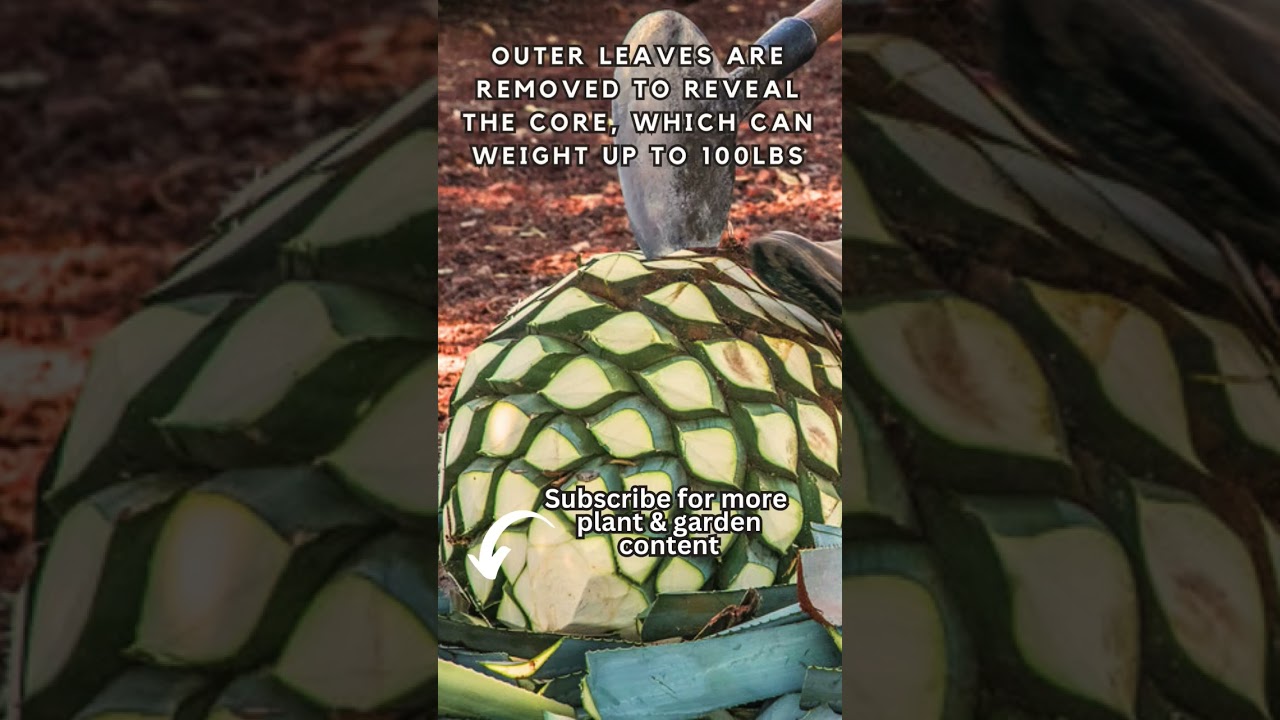
The blue agave plant can take anywhere from 7 to 12 years to mature before it is ready for harvesting. The key part of the plant used in tequila production is the piña, which is the heart of the agave. Once harvested, the piñas are cooked to convert the plants starches into fermentable sugars, a crucial step in the tequila-making process. This cooking process can be done in traditional stone ovens or more modern autoclaves, each method imparting different flavor profiles to the tequila.
After cooking, the piñas are crushed to extract the sugary juice, known as aguamiel. This juice is then fermented, typically with the addition of yeast, to initiate the fermentation process. The resulting liquid is distilled, usually twice, to produce the clear spirit known as tequila. Its important to note that only tequila produced from blue agave and made in designated regions of Mexico can legally be labeled as tequila, ensuring its authenticity and quality.
In summary, the blue agave plant is the main source of tequila, and its unique characteristics greatly influence the flavor and quality of the spirit. The meticulous process of harvesting, cooking, fermenting, and distilling the piñas contributes to the rich heritage and distinct taste that tequila lovers appreciate around the globe.
What is the best plant to make tequila?
The best plant for making tequila is the blue agave (Agave tequilana), a succulent native to the region surrounding the city of Tequila in Mexico. This plant is renowned for its high sugar content, which is essential for the fermentation process that transforms its sugars into alcohol. Blue agave is characterized by its large, spiky leaves and a central core known as the piña, which is harvested for tequila production.
Why Blue Agave?
The choice of blue agave is not arbitrary; it is protected by law. According to the Mexican government, only tequila made from 100% blue agave can be labeled as such. This ensures quality and authenticity, distinguishing tequila from other agave-based spirits. The plant typically takes between 7 to 10 years to mature, allowing it to develop the necessary sugars that contribute to tequilas unique flavor profile.
Growing Conditions
Blue agave thrives in specific conditions, which are crucial for producing high-quality tequila. Here are some key factors that influence its growth:
- Climate: Prefers a warm, arid climate with minimal rainfall.
- Soil: Grows best in well-drained, volcanic soil, which enhances the flavor of the agave.
- Altitude: Grows at higher elevations, which can affect the sugar concentration in the plant.
These environmental factors contribute to the distinct characteristics of tequila, making blue agave the undisputed champion in the production of this popular spirit. The meticulous cultivation and harvesting process ensures that only the finest agave is used, further enhancing the quality and taste of the final product.
Can agave grow in the USA?
Agave plants are native to the arid regions of the Americas, particularly Mexico and the southwestern United States. This adaptability makes them well-suited for growth in various climates found within the USA, especially in warmer areas. States such as Texas, Arizona, California, and New Mexico offer the ideal conditions for agave cultivation, as these regions mimic the plants natural habitat with their dry, sunny environments and well-drained soils.
In Texas, for instance, the Blue Agave (Agave tequilana) is not only grown for its ornamental value but is also the primary ingredient in tequila production. This plant thrives in the states warm climate and can withstand drought conditions, making it a popular choice among gardeners and farmers alike. Similarly, Arizona’s Sonoran Desert is home to several agave species that have adapted to the extreme temperatures and minimal rainfall, showcasing their resilience and ability to flourish in challenging environments.
When considering growing agave in the USA, its important to note the specific requirements of different species. Here are some key factors to consider:
- Climate: Agave prefers warm, dry climates with plenty of sunlight.
- Soil: Well-draining soil is essential to prevent root rot.
- Watering: Minimal watering is needed, as agave is drought-tolerant.
Moreover, while agave can grow in a variety of conditions, its crucial to select the right species for your region. For example, the Century Plant (Agave americana) is known for its large size and striking appearance, making it a favorite for landscaping in warmer areas. In contrast, smaller varieties, such as Agave parryi, are better suited for smaller gardens and can tolerate cooler temperatures, extending their range in the USA. Understanding these nuances will help ensure successful agave cultivation in your area.
Does agave come from the same plant as tequila?
Yes, agave does come from the same plant that is used to produce tequila. The agave plant, specifically the blue agave (Agave tequilana), is the primary source for tequila production. This succulent plant is native to the regions of Mexico, particularly in the state of Jalisco, where the majority of tequila is made.
The relationship between agave and tequila is intrinsic; without the agave plant, tequila would not exist. The heart of the agave, known as the piña, is harvested and cooked to convert its starches into fermentable sugars. This process is essential for creating the distinctive flavors and alcohol content found in tequila.
Key points about agave and tequila:
- The blue agave is the only type of agave that can be used to make authentic tequila.
- Tequila must be produced in designated regions of Mexico to be labeled as such, adhering to strict regulations.
- Agave plants take around 8 to 12 years to mature before they can be harvested for tequila production.
In summary, while agave refers to the plant itself, tequila is the distilled spirit derived from the blue agave. This unique connection not only highlights the importance of the agave plant in Mexican culture but also emphasizes the craftsmanship involved in tequila production.
See all our content in the Sitemaps or in our Vip Cheers Webmaps!
You read complete Discover the Agave Plant: The Essential Source of Tequila See more about liqueurs here Tequila.
Leave a Reply