
How to Become a Wine Sommelier: A Step-by-Step Guide
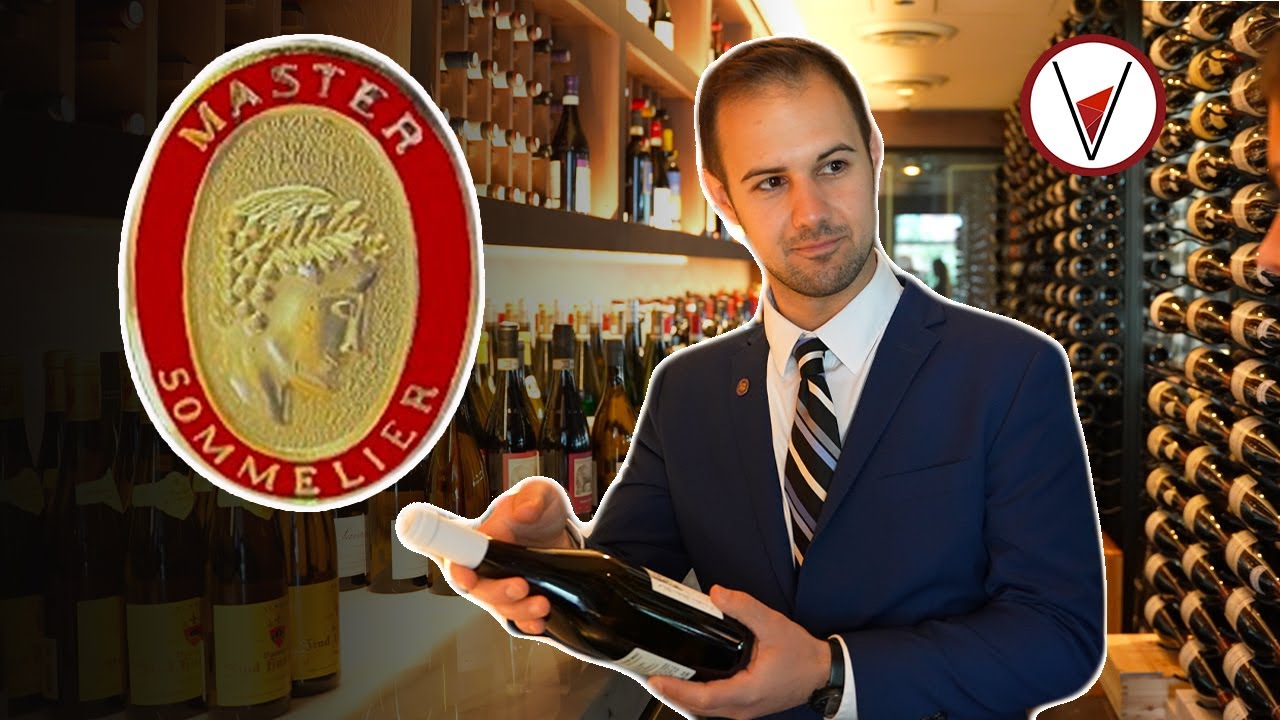
Understanding the Role of a Wine Sommelier
A wine sommelier, often simply referred to as a sommelier, is a trained and knowledgeable wine professional who specializes in all aspects of wine service and wine and food pairing. Their expertise goes beyond just serving wine; they play a crucial role in enhancing the dining experience by selecting the perfect wines to complement each dish. A sommelier possesses an in-depth understanding of various wine regions, grape varieties, and wine production processes, which allows them to curate a diverse and appealing wine list for restaurants or wine shops.
Key Responsibilities of a Sommelier
The responsibilities of a wine sommelier encompass several important tasks, including:
- Wine Selection: Curating a well-balanced and diverse wine list that reflects the restaurants cuisine and customer preferences.
- Wine Pairing: Recommending wines that enhance the flavors of specific dishes, taking into account factors like acidity, sweetness, and tannin levels.
- Staff Training: Educating restaurant staff about the wine list and proper wine service techniques to ensure a knowledgeable and seamless experience for guests.
- Inventory Management: Overseeing wine inventory, including ordering, storage, and managing stock levels to ensure quality and availability.
To excel in this role, a sommelier must have exceptional sensory skills, allowing them to identify and describe the nuances of different wines. This includes recognizing aromas, flavors, and textures, as well as understanding how these elements interact with various foods. Additionally, strong communication skills are essential, as sommeliers often engage with guests to provide personalized recommendations based on their tastes and preferences.
In many high-end dining establishments, a sommelier also acts as a bridge between the kitchen and the dining room, collaborating closely with chefs to create harmonious pairings that elevate the overall dining experience. This dynamic role not only requires a passion for wine but also a commitment to ongoing education, as the wine industry is constantly evolving with new trends, regions, and production methods.
Essential Skills and Qualifications Needed to Become a Sommelier
To embark on a successful career as a sommelier, certain essential skills and qualifications are paramount. A solid foundation in wine knowledge, including varietals, regions, and production methods, is crucial. Sommeliers must possess a refined palate, enabling them to identify and describe various flavors and aromas in wine. This skill is often honed through extensive tasting and training, allowing professionals to distinguish between subtle nuances.
In addition to wine expertise, strong communication skills are vital for a sommelier. They must effectively convey their knowledge to customers, helping them make informed choices based on personal preferences and food pairings. This involves not only speaking clearly but also listening attentively to clients needs and preferences. A sommelier should be adept at reading the dining atmosphere and adjusting their approach accordingly, ensuring a personalized experience for each guest.
Furthermore, practical experience in the food and beverage industry can greatly enhance a sommeliers qualifications. Many professionals start their careers in roles such as servers or bartenders, where they gain firsthand knowledge of customer service and the dynamics of restaurant operations. Formal education, such as certifications from recognized wine education programs, can also bolster a sommeliers credentials. These programs often cover a range of topics, including wine laws, tasting techniques, and food pairing principles, providing a comprehensive understanding of the wine world.
Lastly, a passion for continuous learning is essential in the ever-evolving field of wine. Trends change, new regions emerge, and wine styles develop, making it necessary for sommeliers to stay updated. Engaging in ongoing education through workshops, tastings, and industry events is vital for maintaining a competitive edge and enhancing their expertise. This commitment to growth not only benefits the sommelier personally but also enriches the overall dining experience for guests.
Steps to Gain Formal Education and Certification in Wine
Gaining formal education and certification in wine can significantly enhance your understanding of viticulture and oenology, as well as improve your career prospects in the wine industry. Here are the essential steps to embark on this educational journey.
1. Research Wine Education Programs
Start by researching various wine education programs offered by universities, colleges, and specialized institutions. Look for programs that provide comprehensive curricula covering topics such as grape growing, wine production, tasting techniques, and wine marketing. Some reputable institutions include:
- Wine & Spirit Education Trust (WSET) - Offers structured qualifications from beginner to expert levels.
- Society of Wine Educators (SWE) - Provides certification programs for wine educators and enthusiasts.
- University Programs - Many universities offer degrees in viticulture and enology.
2. Enroll in a Program
Once you’ve identified a suitable program, proceed to enroll. Ensure that the program you choose aligns with your career goals, whether youre aiming for a foundational understanding or advanced expertise. Enrollment may require prerequisites, such as prior knowledge of wine or related fields, so be prepared to meet those requirements.
3. Participate in Practical Learning
Hands-on experience is invaluable in the wine industry. Many programs incorporate practical learning through vineyard visits, tastings, and workshops. Engaging in these experiences will help solidify your theoretical knowledge and provide you with essential skills in wine tasting and evaluation. Consider participating in internships or volunteer opportunities at local wineries to gain real-world experience.
4. Prepare for Certification Exams
After completing your coursework, you will likely need to pass a certification exam to earn your credentials. Allocate time for thorough preparation by reviewing course materials, taking practice exams, and participating in study groups. Some programs may offer additional resources, such as mock exams or online forums, to help you succeed in your certification journey.
Gaining Practical Experience in the Wine Industry
Gaining practical experience in the wine industry is essential for anyone looking to build a successful career in this dynamic field. The hands-on experience not only enhances your understanding of viticulture and vinification but also allows you to develop critical skills that are highly valued by employers. There are several avenues to explore when seeking practical experience, including internships, seasonal work, and volunteering at vineyards or wineries.
Internships and Apprenticeships
One of the most effective ways to gain practical experience is through internships and apprenticeships. These programs often provide a structured learning environment where you can immerse yourself in the daily operations of a vineyard or winery. Responsibilities may include:
- Assisting with grape harvesting and sorting
- Participating in the winemaking process, from fermentation to bottling
- Learning about vineyard management and sustainable practices
- Engaging in marketing and sales activities
Internships can be found through educational institutions, wine schools, or directly with wineries, offering a pathway to build valuable industry connections.
Seasonal Work Opportunities
Seasonal work during harvest time is another excellent opportunity to gain practical experience. Many wineries and vineyards require extra hands during peak periods, and these roles often provide a deep dive into the winemaking process. Seasonal positions can include:
- Fieldwork: pruning, planting, and maintaining vines
- Cellar work: assisting in the fermentation and aging process
- Tasting room support: helping customers and promoting the winerys offerings
These experiences not only help you acquire technical skills but also allow you to network with industry professionals and learn about various aspects of the wine business.
Volunteering and Wine Events
Volunteering at wine festivals, tastings, or industry events can also provide valuable experience. These events often require a large number of volunteers to help with logistics, customer service, and educational programs. By participating, you can:
- Meet influential figures in the wine industry
- Gain insight into consumer preferences and trends
- Enhance your understanding of wine marketing and branding
Such volunteer opportunities not only enrich your knowledge but also help you build a network that can be beneficial for your career advancement in the wine industry.
Networking and Career Advancement Tips for Aspiring Sommeliers
Building a strong network is essential for aspiring sommeliers who want to thrive in the competitive wine industry. Connecting with industry professionals can open doors to job opportunities, mentorship, and valuable insights. Start by attending wine tastings, industry events, and educational seminars. These gatherings not only enhance your wine knowledge but also allow you to meet influential figures in the field. Make sure to introduce yourself, engage in meaningful conversations, and exchange contact information to cultivate these relationships over time.
Join Professional Organizations
Consider becoming a member of professional organizations such as the Court of Master Sommeliers or the Society of Wine Educators. These organizations often host networking events, workshops, and certification programs that can elevate your profile in the industry. Participating in such groups not only enhances your credentials but also places you in a community of like-minded individuals who share your passion for wine. Networking within these circles can lead to job referrals and collaborations that may not be advertised publicly.
Leverage Social Media
In today’s digital age, utilizing social media platforms can significantly enhance your networking efforts. Platforms like LinkedIn and Instagram are great for connecting with established sommeliers, wineries, and wine enthusiasts. Share your journey, wine reviews, and insights to showcase your expertise. Engaging with industry leaders by commenting on their posts or sharing their content can help you gain visibility. Don’t hesitate to reach out via direct messages to express your admiration for their work and seek advice or mentorship.
Volunteer and Gain Experience
Volunteering at wine festivals, charity events, or local wineries is another effective way to expand your network while gaining practical experience. These opportunities allow you to meet industry professionals in a relaxed environment, making it easier to build rapport. Additionally, hands-on experience in various settings will enhance your resume and provide you with real-world knowledge that can set you apart from other candidates in the job market. Always remember to follow up with the people you meet, thanking them for their time and keeping the lines of communication open for future opportunities.
See all our content in the Sitemaps or in our Vip Cheers Webmaps!
You read complete How to Become a Wine Sommelier: A Step-by-Step Guide See more about liqueurs here Wine.
Leave a Reply