
Are Gin and Vodka the Same? Discover the Key Differences!
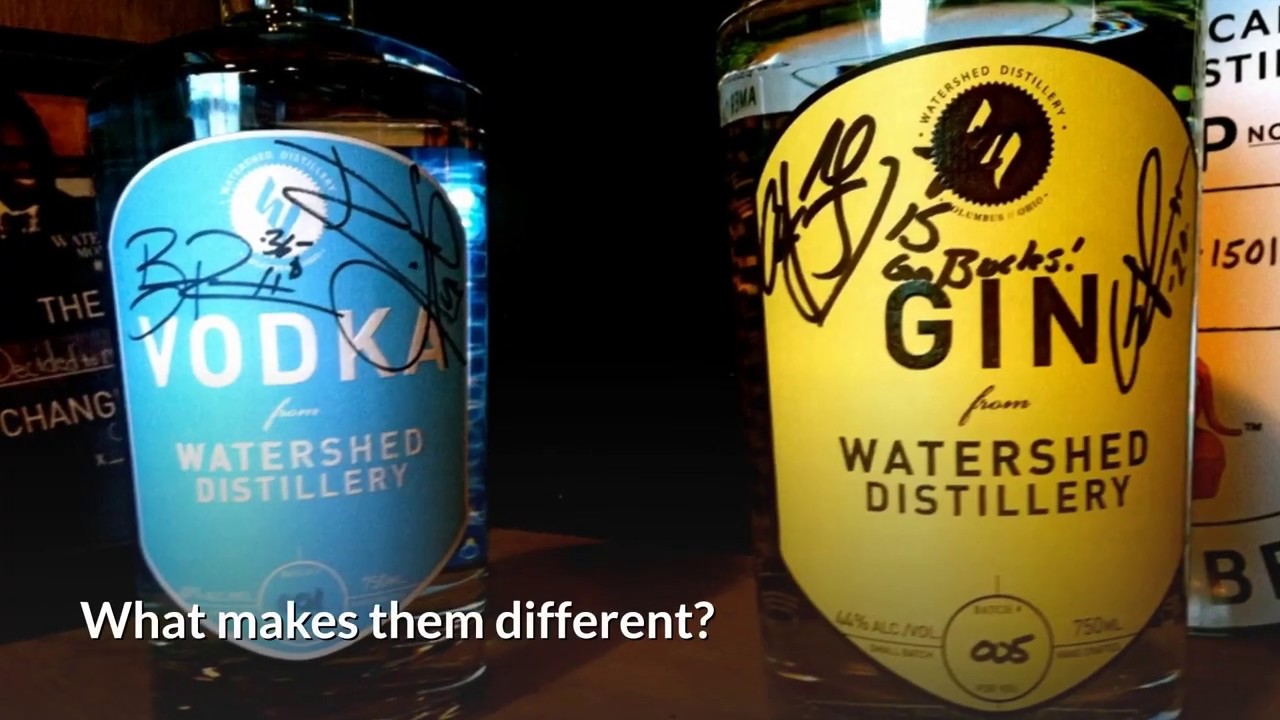
Understanding the Basics: What Are Gin and Vodka?
Gin and vodka are two of the most popular distilled spirits enjoyed worldwide, each with unique characteristics, flavors, and production methods. Understanding the basics of these two beverages can enhance your appreciation and enjoyment of cocktails and mixed drinks.
What is Gin?
Gin is a spirit that derives its predominant flavor from juniper berries, which give it a distinctive herbal and piney taste. It is typically produced by distilling grain or malt and then infusing it with various botanicals, which may include herbs, spices, and fruits. The flavor profile of gin can vary widely depending on the botanicals used, resulting in different styles such as London Dry, Old Tom, and Plymouth gin.
What is Vodka?
Vodka, on the other hand, is known for its neutral flavor and smooth texture. It is usually made from fermented grains, potatoes, or sometimes even fruits. The distillation process of vodka is designed to remove impurities, resulting in a clean and pure spirit. Vodkas versatility makes it a popular base for a variety of cocktails, from the classic Martini to the refreshing Moscow Mule.
Key Differences:
- Flavor Profile: Gin has a distinct flavor due to the presence of juniper and other botanicals, while vodka is typically neutral.
- Ingredients: Gin is primarily made from grain or malt and infused with botanicals; vodka can be made from a variety of fermentable materials.
- Production Process: Both spirits undergo distillation, but gin is often distilled with botanicals, whereas vodka is distilled multiple times for purity.
Both gin and vodka have rich histories and cultural significance, making them staples in bars and households around the world. Whether youre enjoying a gin and tonic on a summer day or a vodka martini during a night out, understanding these spirits can enhance your drinking experience.
Key Differences Between Gin and Vodka: Flavor Profiles and Ingredients
When comparing gin and vodka, one of the most significant distinctions lies in their flavor profiles. Vodka is known for its neutral taste, making it a versatile spirit that blends well with a variety of mixers. Its flavor is often described as clean and crisp, allowing the other ingredients in a cocktail to shine through. In contrast, gin boasts a complex flavor profile that is heavily influenced by its botanical ingredients, primarily juniper berries. This unique combination of botanicals can include herbs, spices, and citrus, resulting in a wide range of flavors that can vary significantly between different gin brands.
Ingredients also play a crucial role in differentiating gin from vodka. Vodka is typically made from fermented grains or potatoes, with the primary goal of achieving purity and smoothness. The distillation process for vodka often involves multiple distillations to remove impurities, resulting in its characteristic clean taste. On the other hand, gin starts with a neutral spirit base, often derived from grains, but is then infused with various botanicals. The most defining ingredient in gin is juniper, which not only gives gin its name but also imparts a distinctive piney flavor that sets it apart from vodka.
In terms of production methods, gin and vodka also diverge significantly. While vodka is generally distilled to achieve a high level of purity, gin undergoes a process called compound distillation or distillation with botanicals. This involves steeping the botanicals in the neutral spirit or passing the spirit through the botanicals during distillation, allowing the flavors to meld and create the aromatic complexity that gin enthusiasts appreciate. The choice of botanicals and the method of infusion can lead to a diverse range of gins, each with its own unique taste profile.
In summary, the key differences between gin and vodka are evident in their flavor profiles and ingredients. Vodkas clean and neutral essence makes it a staple in many cocktails, while gins botanical complexity offers a distinctive tasting experience that appeals to those seeking a more flavorful spirit. Understanding these differences can enhance your appreciation of each beverage and guide you in selecting the right spirit for your cocktails or sipping preferences.
The Distillation Process: How Gin and Vodka Are Made
The distillation process is crucial in the production of both gin and vodka, transforming raw ingredients into the spirits enjoyed worldwide. While both beverages share similarities in their production methods, the specific ingredients and techniques used can significantly alter the final product. Understanding these processes provides insight into the unique characteristics of each spirit.
Vodka Production
Vodka is primarily made from fermented grains or potatoes, although other ingredients such as fruits can also be used. The distillation process begins with mashing the raw materials, followed by fermentation, where yeast converts sugars into alcohol. This mixture is then distilled, often multiple times, to achieve a high alcohol content and purity.
- Fermentation: Yeast is added to the mash, allowing it to ferment for several days.
- Distillation: The fermented liquid is heated in a still, where alcohol vapors rise and are collected. This process may be repeated for increased purity.
- Filtration: After distillation, vodka undergoes filtration, often through charcoal, to remove impurities and enhance smoothness.
- Dilution: Finally, the distilled spirit is diluted with water to reach the desired alcohol by volume (ABV), typically around 40%.
Gin Production
In contrast to vodka, gin starts with a neutral spirit that undergoes a second distillation process, where botanicals—primarily juniper berries—are added to impart distinctive flavors. The initial neutral spirit can be derived from various sources, including grains or sugarcane. The gin distillation process can be accomplished through several methods, including pot stills or column stills.
- Base Spirit Creation: The neutral spirit is created through fermentation and initial distillation, similar to vodka.
- Botanical Infusion: During the second distillation, botanicals are added. This can be done by steeping them in the spirit or placing them in a basket within the still to allow the vapor to extract flavors.
- Distillation: The mixture is distilled again, capturing the essence of the botanicals and creating the signature flavor profile of the gin.
- Dilution and Bottling: As with vodka, the distilled gin is diluted to the desired ABV before bottling, resulting in a spirit that showcases its botanical character.
Both gin and vodka rely on the intricate distillation process to achieve their unique qualities, but it is the choice of ingredients and the addition of botanicals in gin that truly set these spirits apart.
Popular Cocktails: How Gin and Vodka Are Used in Mixology
Gin and vodka are two of the most versatile spirits in the world of mixology, each bringing its own unique character to cocktails. Both spirits serve as the foundation for a wide range of popular drinks, thanks to their ability to complement various flavors and ingredients. Their distinct profiles allow bartenders to create everything from refreshing and light beverages to rich and complex concoctions.
Gin Cocktails
Gin is celebrated for its botanical flavors, often derived from juniper berries and other herbs and spices. This complexity makes it an ideal base for many classic cocktails, including:
- Martini: A timeless favorite, typically made with gin and dry vermouth, garnished with an olive or a twist of lemon.
- Negroni: A bold mix of gin, Campari, and sweet vermouth, served over ice and garnished with an orange slice.
- Tom Collins: A refreshing blend of gin, lemon juice, sugar, and soda water, perfect for warm weather.
The herbal notes of gin enhance the flavors of mixers like tonic water, fruit juices, and even spices, making it a popular choice for both classic and contemporary cocktails.
Vodka Cocktails
Vodka, known for its clean and neutral taste, serves as a blank canvas for a wide array of cocktail creations. This adaptability allows it to shine in numerous drinks, such as:
- Moscow Mule: A refreshing mix of vodka, ginger beer, and lime juice, traditionally served in a copper mug.
- Bloody Mary: A savory cocktail combining vodka, tomato juice, and a variety of spices and flavorings, often enjoyed as a brunch staple.
- Cosmopolitan: A chic blend of vodka, triple sec, cranberry juice, and lime juice, known for its vibrant color and sophisticated appeal.
Vodkas versatility allows it to pair seamlessly with a multitude of flavors, making it a favorite among mixologists who seek to craft innovative and enjoyable drinks.
In summary, both gin and vodka play crucial roles in the cocktail landscape, each offering unique qualities that contribute to their popularity. Whether youre sipping a classic gin and tonic or a modern vodka spritz, these spirits are essential to the art of mixology.
Choosing the Right Spirit: When to Use Gin vs. Vodka
When it comes to crafting the perfect cocktail, the choice between gin and vodka can significantly influence the flavor profile and overall experience of your drink. Both spirits offer unique characteristics that cater to different tastes and occasions. Understanding when to use each can elevate your cocktail game and impress your guests.
Flavor Profiles
Gin is renowned for its botanical notes, often featuring flavors like juniper, coriander, and citrus. This makes it an excellent choice for cocktails that benefit from a complex flavor profile. For instance, a classic Gin and Tonic or a refreshing Negroni showcases the spirits aromatic qualities. On the other hand, vodka is typically neutral in flavor, making it a versatile base for various cocktails. Its smoothness shines in drinks like the Moscow Mule or Cosmopolitan, where the other ingredients take center stage.
Mixing and Pairing
When deciding between gin and vodka, consider the other ingredients in your cocktail. If your drink incorporates fresh herbs, fruits, or spices, gin may complement these flavors beautifully. For example, a Tom Collins highlights gins herbal notes alongside lemon and sugar. Conversely, if your cocktail leans towards sweeter or creamier elements, vodka can provide a clean canvas that allows those flavors to pop. Think of a White Russian where vodka pairs seamlessly with coffee liqueur and cream.
Occasions and Preferences
The choice between gin and vodka can also depend on the occasion and the preferences of your guests. Gin is often favored in more sophisticated settings, where its complex flavors can be savored and appreciated. Vodka, with its clean taste, is frequently chosen for casual gatherings or parties, as it appeals to a wider audience. Additionally, consider the season; gin cocktails are often refreshing and ideal for summer, while vodka drinks can be comforting in colder months.
In summary, selecting between gin and vodka involves considering flavor profiles, mixing possibilities, and the context of your gathering. Each spirit has its own charm, making it essential to choose wisely based on the experience you wish to create.
See all our content in the Sitemaps or in our Vip Cheers Webmaps!
You read complete Are Gin and Vodka the Same? Discover the Key Differences! See more about liqueurs here Vodka.
Leave a Reply