
How Strong Is Jack Daniels Whiskey? Discover Its Alcohol Content!
- Understanding the Alcohol Content of Jack Daniels Whiskey
- Comparing Jack Daniels Whiskey Strength to Other Popular Spirits
- The Impact of Jack Daniels Whiskeys Proof on Flavor and Enjoyment
- How Jack Daniels Whiskey is Made: A Look at Its Distillation Process
- Tips for Enjoying Jack Daniels Whiskey: Strength and Mixing Recommendations
Understanding the Alcohol Content of Jack Daniels Whiskey
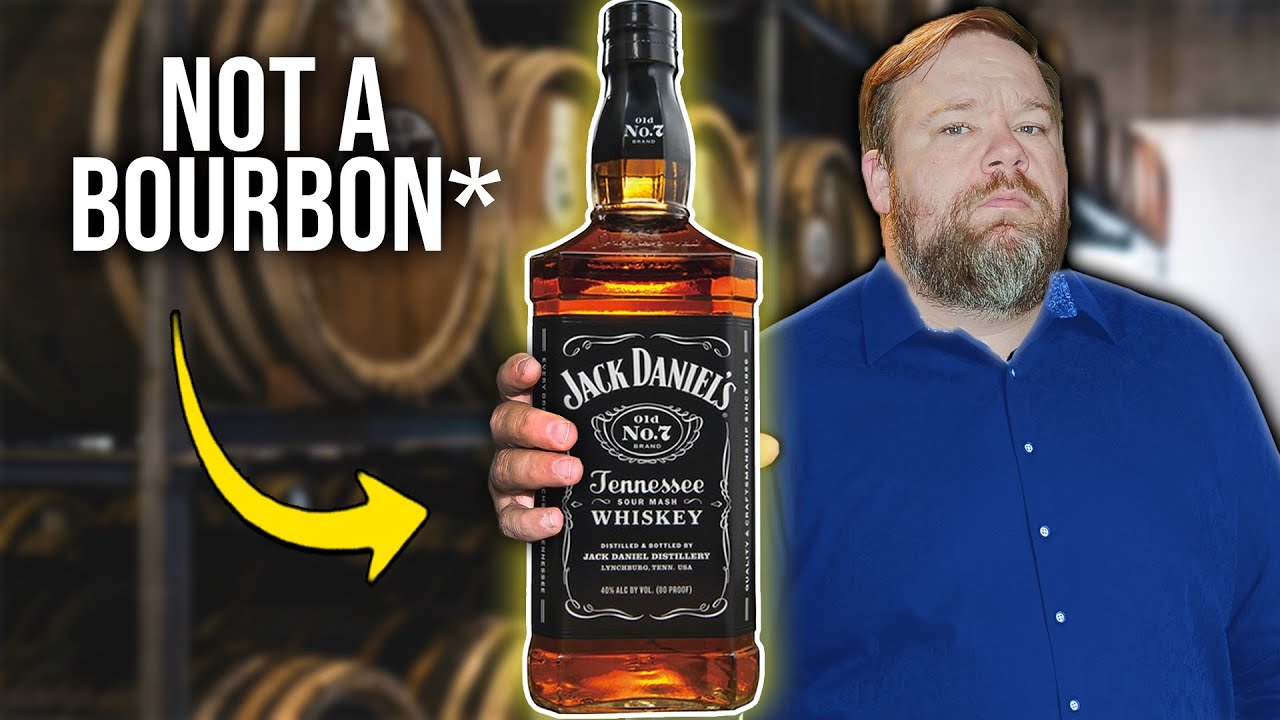
Jack Daniels Whiskey, one of the most recognized American whiskeys, boasts a distinctive flavor profile that many enthusiasts adore. A critical aspect of any whiskey is its alcohol content, typically expressed as Alcohol by Volume (ABV). For Jack Daniels, the standard ABV is 40%, which translates to 80 proof. This level of alcohol content is relatively common among many American whiskeys, striking a balance between smoothness and the robust flavors that whiskey drinkers appreciate.
The Importance of Alcohol Content
Understanding the alcohol content in Jack Daniels is essential for several reasons:
- Flavor Profile: The ABV affects the whiskeys flavor and aroma. A higher alcohol content can enhance certain flavors while mellowing others.
- Mixability: Knowing the alcohol content is crucial for mixing cocktails. Jack Daniels 40% ABV makes it versatile for a variety of drinks.
- Drinking Experience: Different alcohol levels can impact the overall drinking experience, including mouthfeel and finish.
Variations in Alcohol Content
While the classic Jack Daniels Old No. 7 has a consistent 40% ABV, the brand also offers variations with different alcohol contents. For example, Jack Daniels Single Barrel Select has a higher ABV, typically around 47%, providing a more intense flavor experience. This variation showcases how alcohol content can influence the tasting notes and overall enjoyment of the whiskey.
Understanding these differences can enhance your appreciation for Jack Daniels and help you select the right bottle for your palate or occasion. Whether you prefer the smoothness of the classic version or the boldness of a single barrel, knowing the alcohol content can guide your choices and elevate your whiskey experience.
Comparing Jack Daniels Whiskey Strength to Other Popular Spirits
When it comes to whiskey, strength is an essential factor that can influence a drinkers experience. Jack Daniels, a renowned Tennessee whiskey, typically has an alcohol by volume (ABV) of 40%, making it a standard choice among whiskey enthusiasts. To understand how Jack Daniels compares to other popular spirits, its crucial to look at the ABV levels of various categories, including vodka, rum, gin, and tequila.
Typical Alcohol Content of Popular Spirits:
- Vodka: Generally ranges from 35% to 50% ABV, with many brands settling around 40%.
- Rum: Often found between 37.5% and 50% ABV, depending on whether it’s light or dark rum.
- Gin: Typically has an ABV of 37.5% to 50%, with many premium gins around 40%.
- Tequila: Usually ranges from 35% to 55% ABV, with most traditional options around 40%.
When you place Jack Daniels next to these spirits, its 40% ABV positions it as a moderate choice. Vodka and gin often have similar strengths, while some rums and tequilas can be significantly stronger. However, the experience of drinking Jack Daniels is not solely defined by its alcohol content; the smoothness and flavor profile play a crucial role in its popularity. Many drinkers appreciate the balanced taste of Jack Daniels, which is crafted through a unique charcoal mellowing process, often referred to as the Lincoln County Process.
In contrast, spirits like absinthe can have a much higher ABV, sometimes exceeding 70%. This makes Jack Daniels a more approachable option for those who prefer a smoother drinking experience without overwhelming intensity. Ultimately, while Jack Daniels stands out for its distinct flavor and moderate strength, understanding its place among other spirits can help consumers make informed choices based on their preferences and drinking occasions.
The Impact of Jack Daniels Whiskeys Proof on Flavor and Enjoyment
The proof of a whiskey, which measures its alcohol content, significantly influences the overall flavor profile and drinking experience of Jack Daniels whiskeys. With Jack Daniels offering a range of expressions, from the classic Old No. 7 to higher-proof variants like Jack Daniels Single Barrel Select, understanding how proof affects flavor can enhance your enjoyment.
1. Flavor Concentration
Higher proof whiskeys tend to present a more concentrated flavor profile. For instance, Jack Daniels Single Barrel Select, which boasts a higher proof than the standard Old No. 7, delivers a robust and intense taste experience. The elevated alcohol content amplifies certain flavor notes, allowing drinkers to detect subtleties in caramel, vanilla, and oak that might be less pronounced in lower-proof offerings.
2. Mouthfeel and Texture
The proof of Jack Daniels whiskeys also impacts the mouthfeel and texture. Whiskeys with higher alcohol content often have a richer, fuller body, which can enhance the overall sensory experience. This is particularly noticeable in cocktails, where the texture of the whiskey can complement or contrast with other ingredients, leading to a more complex and enjoyable drink.
3. Dilution and Mixing
When it comes to mixing Jack Daniels in cocktails, the proof plays a critical role in determining how well the whiskey interacts with other flavors. A higher proof whiskey can stand up to bold mixers and maintain its character, while lower proof options may become diluted, losing some of their distinctiveness. Understanding the proof can help cocktail enthusiasts choose the right Jack Daniels expression for their desired drink style, ensuring a balanced and flavorful outcome.
In summary, the proof of Jack Daniels whiskeys not only influences flavor concentration and mouthfeel but also plays a crucial role in cocktail creation and enjoyment. By selecting the right proof level, whiskey lovers can tailor their drinking experience to suit their preferences, whether savoring it neat or crafting the perfect cocktail.
How Jack Daniels Whiskey is Made: A Look at Its Distillation Process
The distillation process of Jack Daniels whiskey is a meticulous craft that reflects the brands commitment to quality and tradition. At the heart of this process is the use of pure, iron-free cave spring water sourced from Lynchburg, Tennessee. This water is crucial, as it provides the foundation for the whiskeys unique flavor profile. The process begins with the careful selection of grains, primarily a mash bill consisting of at least 51% corn, along with rye and malted barley. These ingredients are combined to create a mash that undergoes fermentation, where yeast converts the sugars into alcohol.
Once fermentation is complete, the next step involves distillation, which occurs in copper stills. Jack Daniels employs a unique method known as the "Lincoln County Process," which involves filtering the whiskey through charcoal made from sugar maple before it is aged. This charcoal mellowing process imparts a smooth character to the whiskey, removing impurities and adding to its signature taste. The distillation typically occurs twice, ensuring a high proof spirit that is ready for aging.
After distillation, the whiskey is placed in new, charred American oak barrels. The charring process caramelizes the wood sugars, enhancing the flavor and color of the whiskey as it ages. Jack Daniels whiskey is typically aged for a minimum of four years, although some expressions may be aged longer. During this time, the whiskey interacts with the wood, absorbing flavors and developing its distinctive aroma.
In summary, the distillation process of Jack Daniels whiskey is a blend of science and art, characterized by careful ingredient selection, traditional methods, and an emphasis on quality. From the initial fermentation to the final aging in charred barrels, each step contributes to the iconic taste that Jack Daniels is renowned for worldwide.
Tips for Enjoying Jack Daniels Whiskey: Strength and Mixing Recommendations
When it comes to savoring Jack Daniels whiskey, understanding its strength and the best ways to mix it can enhance your drinking experience. Jack Daniels is known for its smooth, rich flavor profile, which can be enjoyed neat, on the rocks, or in cocktails. Here are some tips to help you enjoy this iconic whiskey to the fullest.
Strength Considerations
Jack Daniels is typically bottled at 40% ABV (alcohol by volume), which strikes a balance between potency and smoothness. If you prefer a stronger experience, consider trying Jack Daniels Single Barrel Select, which has a higher proof. When drinking whiskey neat or on the rocks, it’s essential to take small sips to fully appreciate the complex flavors. You can also add a few drops of water to open up the whiskey, revealing hidden notes of vanilla, caramel, and oak.
Mixing Recommendations
For those who enjoy cocktails, Jack Daniels offers versatility in mixing. Here are some popular mixers that complement its flavor:
- Ginger Ale: A classic choice, ginger ale adds a spicy sweetness that pairs well with Jack Daniels.
- Coca-Cola: The sweetness of cola balances the whiskeys smoky notes, creating a refreshing drink.
- Lemonade: For a refreshing twist, mix Jack Daniels with lemonade for a zesty cocktail perfect for warm weather.
- Sweet Vermouth: For a more sophisticated drink, combine Jack Daniels with sweet vermouth and a dash of bitters for a delicious Manhattan.
Experimenting with different mixers can help you find the perfect combination that suits your palate. Remember, the key to enjoying Jack Daniels whiskey is to savor each sip and appreciate the craftsmanship behind this beloved spirit.
See all our content in the Sitemaps or in our Vip Cheers Webmaps!
You read complete How Strong Is Jack Daniels Whiskey? Discover Its Alcohol Content! See more about liqueurs here Whisky.
Leave a Reply