
How Many Non-Alcoholic Beers Equal One Regular Beer?
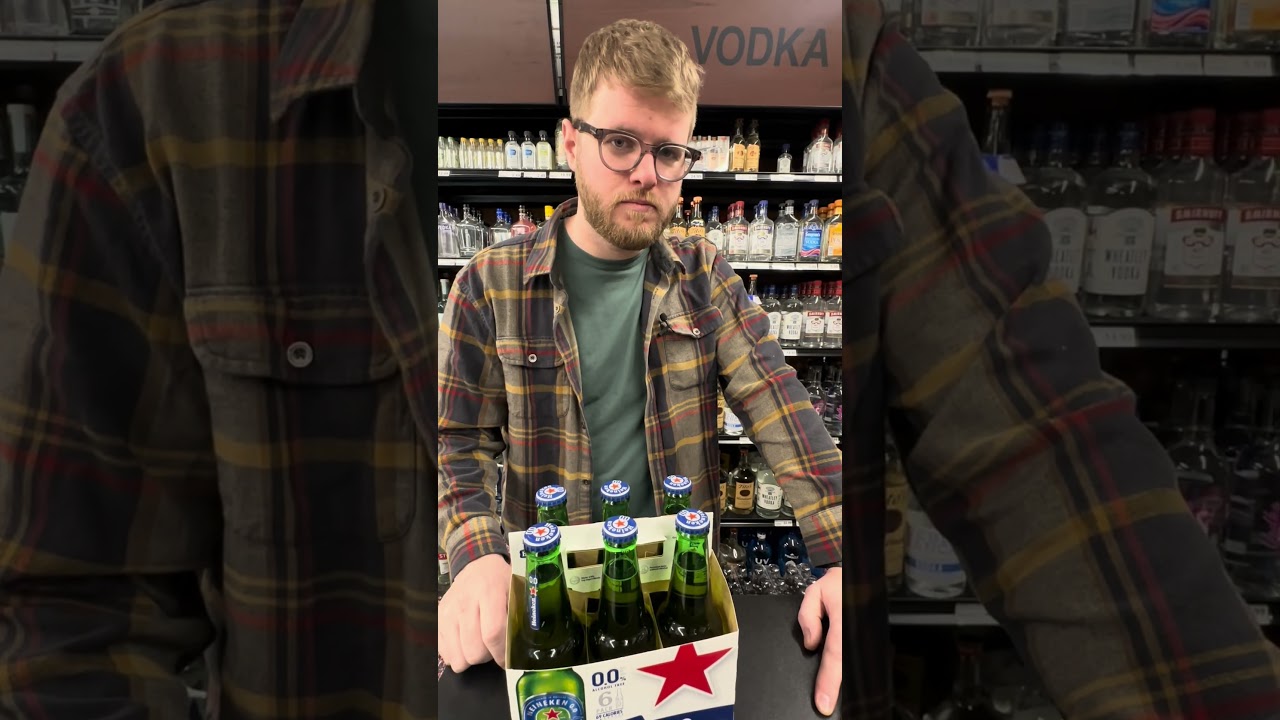
When it comes to the world of beer, there has been a significant surge in the popularity of non-alcoholic beers in recent years. Whether you are trying to cut down on your alcohol intake, seeking healthier alternatives, or simply looking for a refreshing drink, non-alcoholic beers offer a variety of options. However, a common question arises: how many non-alcoholic beers equal one regular beer? This article aims to explore this question in depth, providing insights into the differences between regular and non-alcoholic beers, their alcohol content, and how they compare in various contexts.
Understanding Alcohol Content in Beers
To answer the question of how many non-alcoholic beers are equivalent to one regular beer, it is essential to first understand the alcohol content in both types of beers. Regular beers typically have an alcohol by volume (ABV) ranging from 4% to 6%, while non-alcoholic beers generally contain less than 0.5% ABV.
The Alcohol By Volume (ABV) Explained
- Regular Beer: Most regular beers fall between 4% and 6% ABV, with some craft beers exceeding this range.
- Non-Alcoholic Beer: Defined as containing 0.5% ABV or less, many non-alcoholic beers are brewed in a similar manner to regular beers but undergo a process to remove the alcohol.
This difference in alcohol content is crucial in determining how many non-alcoholic beers would equal the alcohol content of one regular beer. For example, if we consider a typical 5% ABV regular beer, we can start to calculate the equivalent amount of non-alcoholic beer needed to match its alcohol content.
Calculating the Equivalent Beers
To calculate how many non-alcoholic beers equal one regular beer, we can use a simple formula:
Number of Non-Alcoholic Beers = (ABV of Regular Beer / ABV of Non-Alcoholic Beer) x Volume of Regular Beer
Assuming a standard 12-ounce (355 mL) regular beer with 5% ABV and a non-alcoholic beer with 0.5% ABV, the calculation would look like this:
- ABV of Regular Beer: 5% = 0.05
- ABV of Non-Alcoholic Beer: 0.5% = 0.005
- Volume of Regular Beer: 12 ounces
Using the formula:
Number of Non-Alcoholic Beers = (0.05 / 0.005) x 12 ounces = 10 ounces
In this case, 10 ounces of non-alcoholic beer would equal the alcohol content of a 12-ounce regular beer. However, since non-alcoholic beers are typically served in the same 12-ounce cans or bottles, this means that you would need to consume approximately 10 non-alcoholic beers to match the alcohol content of one regular beer. This is a simplified calculation, but it provides a good starting point for understanding the relationship between the two types of beer.
Factors Influencing the Comparison
While the basic calculation provides a framework for understanding how many non-alcoholic beers equal one regular beer, several factors can influence this comparison:
1. Brewing Process
The method used to produce non-alcoholic beer can vary significantly between brands. Some beers are brewed with the intention of having low alcohol content from the start, while others undergo processes like vacuum distillation or reverse osmosis to remove alcohol after fermentation. This can affect the overall flavor and characteristics of the beer, making some non-alcoholic options taste more like their alcoholic counterparts than others.
2. Flavor Profile
Flavor is another essential factor. Many people enjoy the taste of beer, and while non-alcoholic options have improved dramatically in recent years, they may not always provide the same depth of flavor. Consequently, some individuals might choose to drink fewer non-alcoholic beers than they would regular beers, based on taste preferences.
3. Psychological Factors
The psychological aspect of drinking plays a significant role as well. For some, the act of consuming a beer—whether alcoholic or non-alcoholic—can evoke a sense of relaxation or social connection. Therefore, the quantity consumed may not always be based solely on the alcohol content but rather on personal habits and social situations.
Health Considerations
As more individuals turn to non-alcoholic beers, its essential to consider the health implications of choosing these beverages. Here are some factors to keep in mind:
1. Lower Caloric Content
Non-alcoholic beers generally have fewer calories than regular beers. While this can vary by brand, many non-alcoholic beers contain around 50 to 100 calories per 12-ounce serving, compared to 150 to 200 calories in a regular beer. This makes non-alcoholic beer an appealing option for those looking to reduce their caloric intake.
2. Hydration
While regular beer can lead to dehydration due to its alcohol content, non-alcoholic beer can be a more hydrating alternative. The lower alcohol content means that it doesnt have the same dehydrating effects, making it a better choice for those who want to enjoy a beer-like experience without the negative side effects of alcohol.
3. Alcohol Sensitivity
For individuals who are sensitive to alcohol or those in recovery from alcohol addiction, non-alcoholic beer can provide a social experience without the risks associated with regular beer. However, it is crucial to check the label for alcohol content, as some non-alcoholic beers may still contain trace amounts of alcohol.
The rise of non-alcoholic beers has changed the landscape of drinking culture. Many people are choosing to enjoy non-alcoholic options in social settings, leading to a broader acceptance of these beverages. This shift has prompted breweries to expand their non-alcoholic offerings, creating a diverse selection for consumers.
As non-alcoholic beers gain popularity, they are becoming more accepted in various social settings. Whether at a bar, restaurant, or social gathering, individuals can enjoy non-alcoholic beers without feeling out of place. This acceptance encourages more people to explore these alternatives.
2. Craft Non-Alcoholic Beers
Just like their alcoholic counterparts, the craft beer movement has extended to non-alcoholic beers. Many craft breweries now offer non-alcoholic options, catering to consumers who appreciate unique flavors and high-quality ingredients. This trend further enhances the appeal of non-alcoholic beers, allowing individuals to enjoy a wide range of flavors without the alcohol content.
Conclusion
In conclusion, the question of how many non-alcoholic beers equal one regular beer can be answered with a simple calculation, but the answer is nuanced by various factors. While the basic formula suggests that approximately 10 ounces of non-alcoholic beer may equate to the alcohol content of a regular beer, factors such as brewing processes, flavor profiles, and social contexts play a significant role in the overall experience.
As the market for non-alcoholic beers continues to grow, it offers individuals the opportunity to enjoy the taste and social aspects of beer without the associated alcohol content. Whether youre looking to cut back on alcohol for health reasons or simply seeking a refreshing beverage, non-alcoholic beers can provide a satisfying alternative. With a variety of options available, consumers can find a non-alcoholic beer that suits their taste and lifestyle, ultimately leading to a more inclusive drinking culture.
So, the next time you find yourself pondering how many non-alcoholic beers equal one regular beer, remember that the answer is not just about the numbers; its also about the experience and choices that come with it. Cheers to enjoying beer in all its forms!
See all our content in the Sitemaps or in our Vip Cheers Webmaps!
You read complete How Many Non-Alcoholic Beers Equal One Regular Beer? See more about liqueurs here Beer.
Leave a Reply