
How to Make Alcoholic Beer from Non-Alcoholic Beer: A Guide
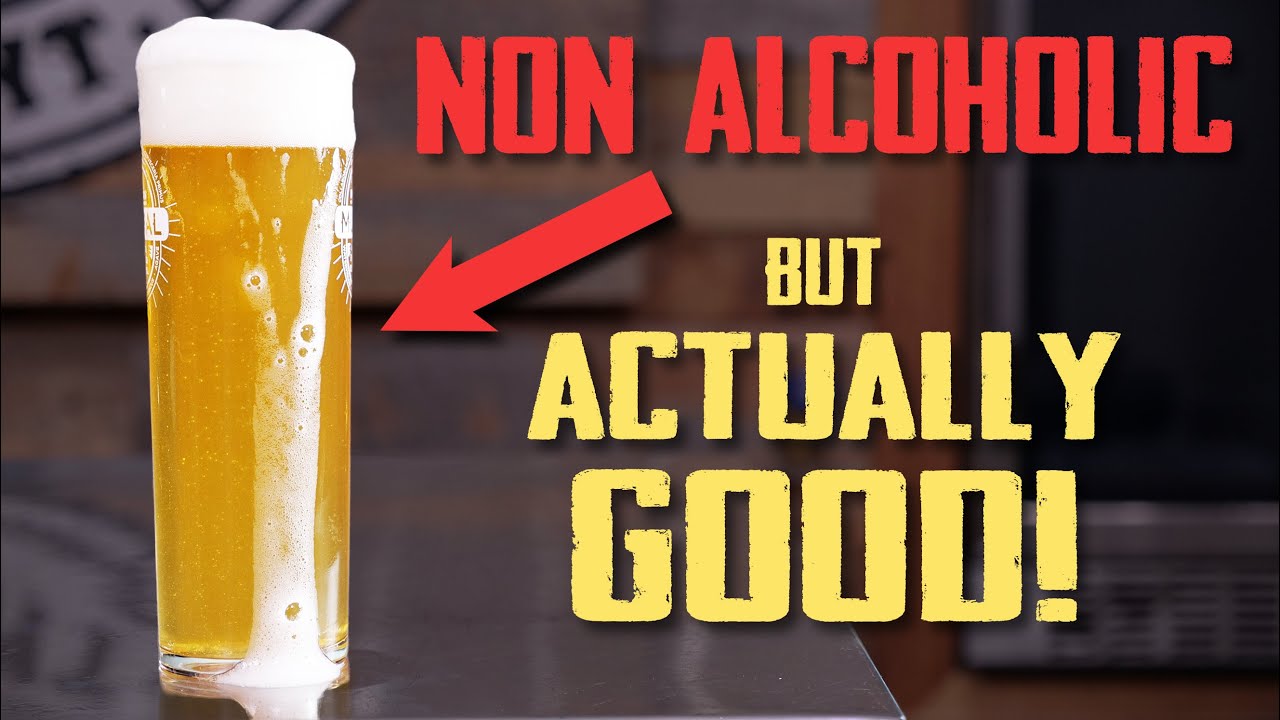
- Introduction to Alcoholic Beer and Non-Alcoholic Beer
- Understanding the Basics of Non-Alcoholic Beer
- The Science of Fermentation
- Preparing Non-Alcoholic Beer for Fermentation
- Fermentation Process
- Post-Fermentation: Bottling and Carbonation
- Tasting Your Creation
- Common Mistakes to Avoid
- Advanced Techniques for Crafting Alcoholic Beer
- Conclusion
Introduction to Alcoholic Beer and Non-Alcoholic Beer
Beer is one of the oldest and most widely consumed beverages in the world. It is made through a process of fermentation, where yeast converts sugars into alcohol and carbon dioxide. However, non-alcoholic beer has gained popularity in recent years due to its lower alcohol content and appeal to those who wish to enjoy the taste of beer without the effects of alcohol.
This article will explore the intriguing process of how to make alcoholic beer from non-alcoholic beer. This guide will cover various methods, the science behind fermentation, and tips for achieving the best results. Whether youre a brewing enthusiast or just curious about the process, this guide will provide valuable insights.
Understanding the Basics of Non-Alcoholic Beer
Non-alcoholic beer is typically defined as beer that contains less than 0.5% alcohol by volume (ABV). There are several methods to produce non-alcoholic beer, including:
- Vacuum distillation - This method involves boiling the beer at a low temperature to evaporate the alcohol.
- Reverse osmosis - This technique uses a membrane to separate alcohol and other components from the beer.
- Fermentation interruption - In this method, fermentation is halted before sufficient alcohol is produced.
Understanding how these methods work is crucial when considering how to convert non-alcoholic beer into its alcoholic counterpart. Non-alcoholic beer still retains the flavors and aromas of traditional beer, making it an excellent base for further fermentation.
The Science of Fermentation
Fermentation is the process through which yeast converts sugars into alcohol and carbon dioxide. The primary ingredients involved in fermentation are:
- Yeast - The microorganism responsible for fermentation.
- Sugars - These are the building blocks for alcohol; they can come from malted grains, adjuncts, or even added sugars.
- Temperature - Yeast activity is highly influenced by temperature, affecting the speed and efficiency of fermentation.
Choosing the Right Yeast
When attempting to make alcoholic beer from non-alcoholic beer, selecting the right type of yeast is crucial. Different yeast strains have varying fermentation characteristics and flavor profiles. Some popular yeast strains for brewing include:
- Saccharomyces cerevisiae - This is the most common strain used for brewing ales.
- Saccharomyces pastorianus - This strain is typically used for brewing lagers.
- Brettanomyces - A wild yeast that can impart unique flavors but is less predictable.
Preparing Non-Alcoholic Beer for Fermentation
To convert non-alcoholic beer into alcoholic beer, you will need to prepare it properly. Follow these steps:
- Gather Your Ingredients: You will need non-alcoholic beer, sugar (to boost alcohol content), and yeast.
- Sanitize Your Equipment: Clean and sanitize all brewing equipment to prevent contamination.
- Measure the Non-Alcoholic Beer: Pour the desired amount of non-alcoholic beer into your fermentation vessel.
Adding Sugars
To ensure that the yeast has enough fermentable sugars, you may need to add additional sugars. Common options include:
- Dextrose (corn sugar) - Easily fermentable and provides a clean taste.
- Table sugar (sucrose) - Readily available and inexpensive.
- Malt extract - Adds flavor and complexity.
Fermentation Process
Once you have prepared your non-alcoholic beer, it’s time to start the fermentation process. Here’s how to do it:
Step 1: Pitching the Yeast
After adding your sugars, it’s time to introduce the yeast:
- Rehydrate the Yeast: If using dry yeast, rehydrate it according to the package instructions.
- Add Yeast to the Beer: Pour the rehydrated yeast into the fermentation vessel containing the non-alcoholic beer and sugars.
Step 2: Sealing the Fermentation Vessel
After adding the yeast, seal the fermentation vessel with an airlock to allow gases to escape while preventing contamination. Ensure the vessel is placed in a temperature-controlled environment suitable for the yeast strain being used.
Step 3: Monitoring Fermentation
During fermentation, you should monitor the specific gravity of the beer using a hydrometer. This will help you determine how much sugar has been converted into alcohol. Typical fermentation times can range from a few days to a couple of weeks, depending on the yeast and conditions.
Post-Fermentation: Bottling and Carbonation
Once fermentation is complete, its time to bottle your newly created alcoholic beer. Follow these steps:
Step 1: Prepare Bottles
Clean and sanitize your bottles thoroughly to ensure a clean environment for your beer. You can use:
- Glass bottles - Ideal for preserving flavor and carbonation.
- Plastic bottles - Easier to handle but may not preserve flavor as well.
Step 2: Bottling Your Beer
Carefully siphon the beer into your bottles, leaving some space at the top. This space is essential for carbonation. You may also consider adding a small amount of priming sugar to each bottle to encourage carbonation during the bottle conditioning process.
Step 3: Sealing and Conditioning
Seal your bottles with caps and store them in a dark, cool place for 1 to 2 weeks. This allows the yeast to produce carbon dioxide, which will carbonate your beer.
Tasting Your Creation
After the conditioning period, it’s time to taste your creation. Chill your bottles and pour the beer into a glass. Look for:
- Aroma: Assess the smell; it should be inviting and reminiscent of traditional beer.
- Flavor: Take a sip and note the balance of sweetness and bitterness.
- Carbonation: Check the carbonation level; it should be effervescent but not overly fizzy.
Common Mistakes to Avoid
When learning how to make alcoholic beer from non-alcoholic beer, it’s essential to avoid common pitfalls:
- Inadequate Sanitation: Failing to properly sanitize equipment can lead to off-flavors and spoilage.
- Incorrect Yeast Selection: Using a yeast strain unsuitable for the desired flavor profile can yield disappointing results.
- Not Monitoring Fermentation: Ignoring specific gravity readings can result in over- or under-carbonated beer.
Advanced Techniques for Crafting Alcoholic Beer
Once you’ve mastered the basic process, you may want to explore more advanced techniques to enhance your brewing skills. Here are some suggestions:
Experimenting with Flavors
Add additional ingredients during fermentation to create unique flavors. Consider:
- Hops: Adding hops can enhance aroma and bitterness.
- Fruits: Introducing fruits can add sweetness and complexity.
- Spices: Spices like cinnamon or coriander can add interesting notes.
Using Different Base Beers
Try using different styles of non-alcoholic beer as your base. Each style will impart different flavors and characteristics to your final product. Some options include:
- Wheat beers - Light and refreshing, perfect for summer.
- Stouts - Rich and creamy, ideal for those who enjoy dark beers.
- IPAs - Hoppy and bold, great for those who love bitterness.
Conclusion
Making alcoholic beer from non-alcoholic beer can be a rewarding and enjoyable experience. With the right knowledge, ingredients, and techniques, you can transform a simple beverage into a flavorful creation. Remember to experiment and have fun with the process. Cheers to your brewing adventures!
See all our content in the Sitemaps or in our Vip Cheers Webmaps!
You read complete How to Make Alcoholic Beer from Non-Alcoholic Beer: A Guide See more about liqueurs here Beer.
Leave a Reply